Over the Sea to Skye
2-Day Private Island Tour from Edinburgh or Stirling
Max 6 persons
Max 5 suitcases
Prices from £650 per day for a group of six persons. T&Cs apply.
Travelling with a larger group? Get in touch2-Day Private Island Tour from Edinburgh or Stirling
Max 6 persons
Max 5 suitcases
Prices from £650 per day for a group of six persons. T&Cs apply.
Travelling with a larger group? Get in touchThere is a journey in Scotland that stands apart from all others — one that begins in the drama of Glencoe, crosses the most romantic and wildly beautiful stretch of Highland road in the country, sails across a sea loch where dolphins play in the wake of the ferry, and arrives on an island so extraordinary in its landscapes, its history, and its atmosphere that it feels like another world entirely. This is the Isle of Skye — and this two-day private tour is the finest way to experience it.
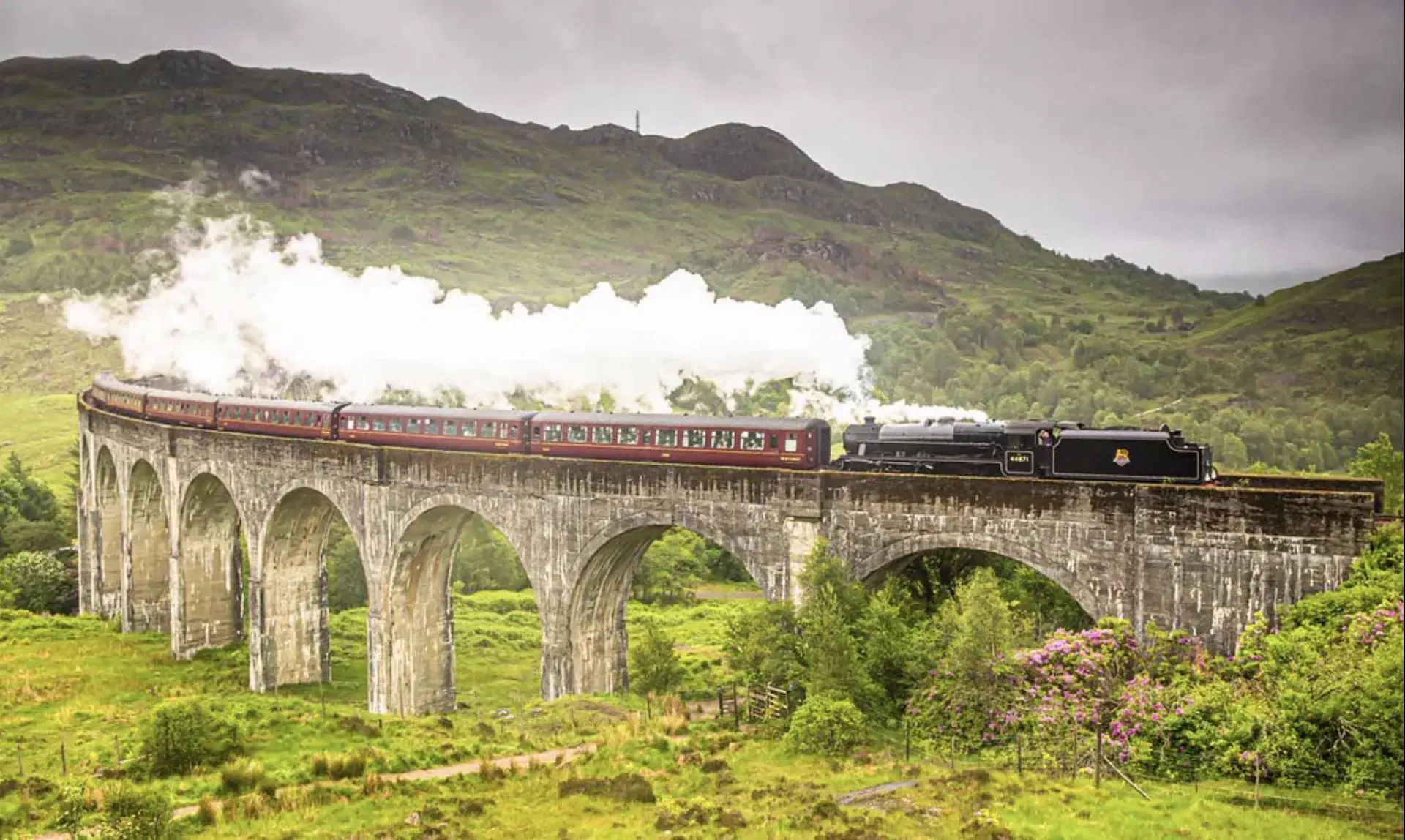
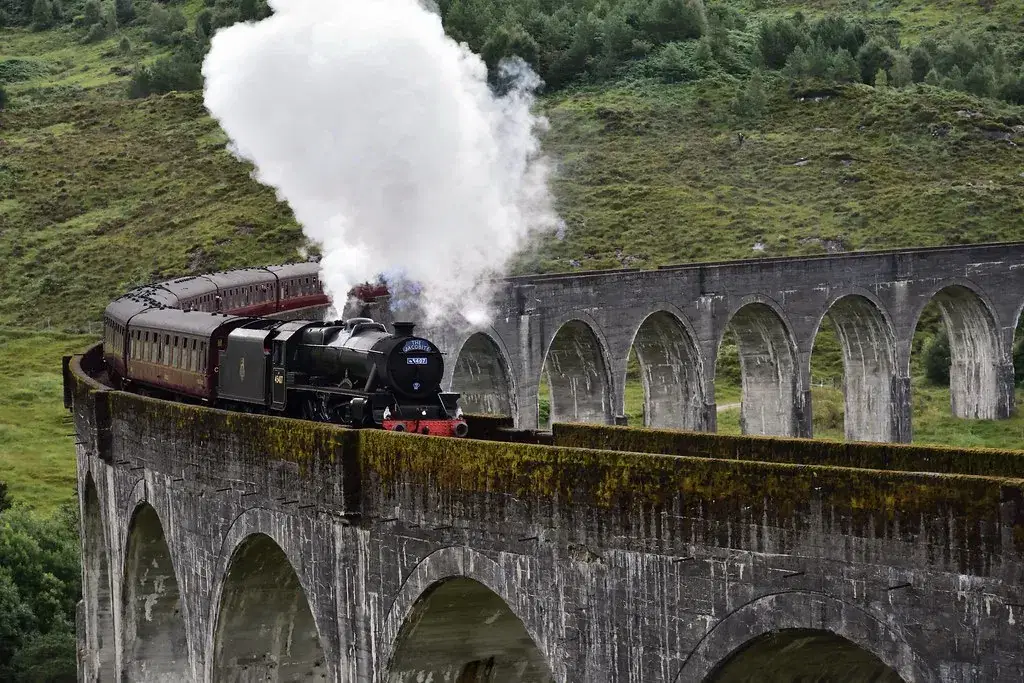
Day One follows the legendary Road to the Isles — past Glencoe, beneath the shadow of Ben Nevis, and through the breathtaking scenery of the Rough Bounds to Mallaig. On the way, you face one of the most delightful choices in Scottish touring: board the Jacobite Steam Train across the Glenfinnan Viaduct — the very locomotive and track that inspired the Hogwarts Express in the Harry Potter films — or travel the road to Mallaig through landscapes of such raw, cinematic beauty that no choice feels wrong. The ferry crossing to Skye brings you to your island home for the night.
Day Two is a full, immersive exploration of Skye — from the fairy-tale towers of Dunvegan Castle and the extraordinary geological drama of the Trotternish Peninsula, to a living museum of traditional island life and the iconic Old Man of Storr rising above the mist. The return via the Skye Bridge stops at Eilean Donan Castle — perhaps the most photographed castle in all of Scotland — before the long, scenic drive back south. This is two days of Scotland at its most magnificent, most magical, and most unforgettable.
Approximately 8 hours | Departing Edinburgh or Stirling | Ferry: Mallaig to Armadale, Skye | Overnight: Isle of Skye
Depart from your accommodation in Edinburgh or Stirling and head north and west on one of the most scenically magnificent drives in Scotland — through the Trossachs, past Callander’s Highland cattle, across the wilderness of Rannoch Moor, and into the drama of Glencoe before turning west towards the Atlantic on the legendary Road to the Isles. By the time the ferry pulls away from Mallaig and Skye appears across the water, you will already have had a day of extraordinary Highland beauty — and the best is yet to come.
Pass through the charming town of Callander — Scotland’s traditional gateway to the Highlands — for a short refreshment break amid its Victorian streets and independent shops. This is also prime territory for Scotland’s most photogenic residents: the shaggy, amber-coated Highland cattle whose long-horned profiles have become one of the most iconic images of the country. Keep your camera ready as you cross the Highland Boundary Fault and the landscape shifts dramatically from pastoral Lowland to rugged Highland in the space of a few miles.
Cross the vast expanse of Rannoch Moor — one of Europe’s last great wildernesses — and descend into Glencoe, announced by the iconic pyramid of Buchaille Etive Mòr at the valley entrance. Towering peaks rise over 3,000 feet on every side as the road winds through one of the most dramatically beautiful mountain valleys in the world. Johnny will tell the full story of the Massacre of Glencoe — the 1692 betrayal in which government soldiers murdered 38 of their sleeping MacDonald hosts — a tale of treachery and loss that resonates as powerfully today as it did three centuries ago.
Arrive at Fort William — set at the foot of Ben Nevis, Britain’s highest mountain — where one of the most delightful decisions in Scottish touring awaits. You have two extraordinary options for the journey west to Mallaig:
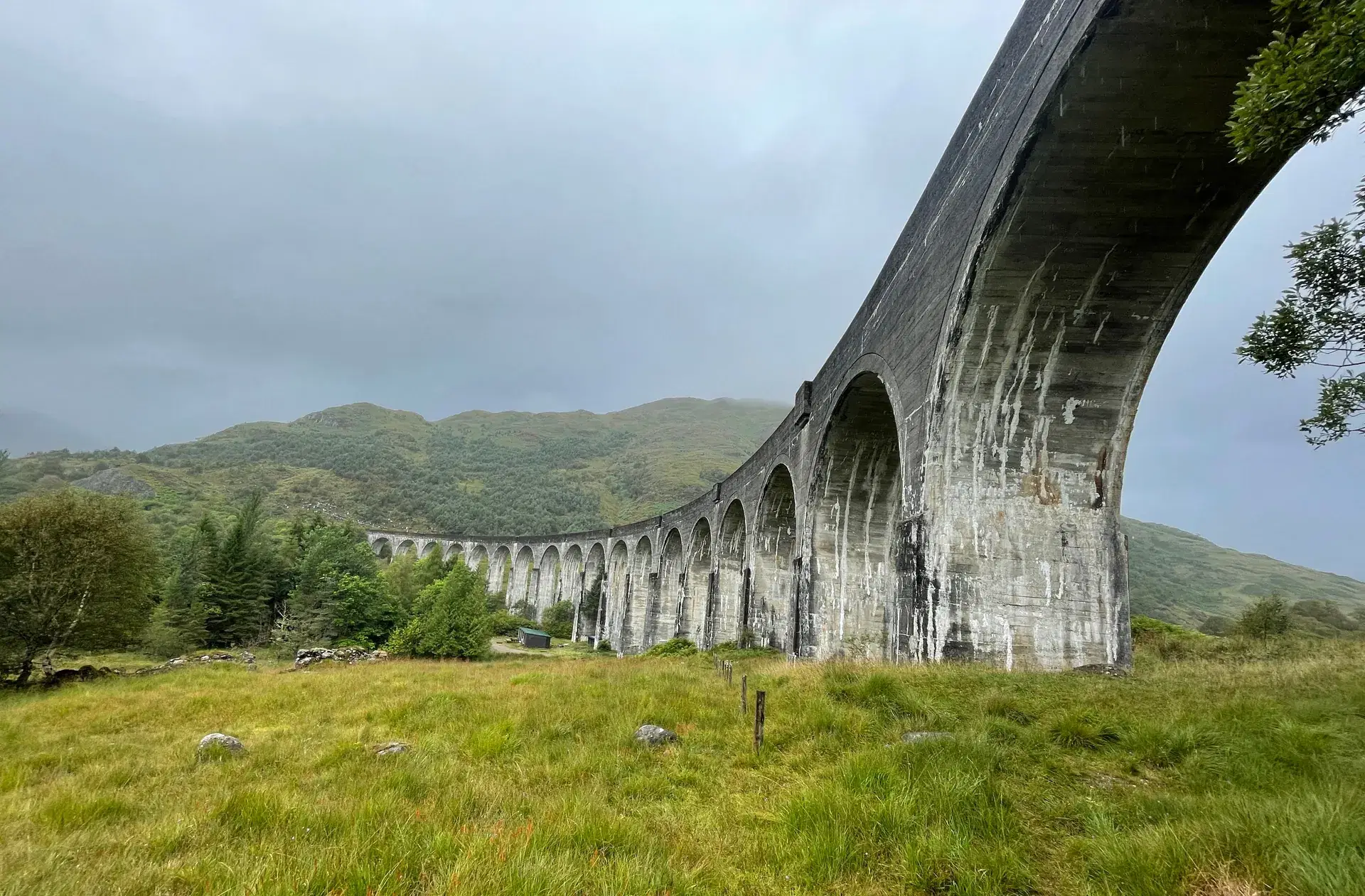
Option One: Board the Jacobite Steam Train at Fort William — the iconic heritage railway that runs along one of the world’s most scenic rail routes, crossing the magnificent 21-arch Glenfinnan Viaduct. This is the very locomotive and track that inspired J.K. Rowling’s Hogwarts Express, and the viaduct crossing — with Loch Shiel stretching away below and the mountains of the Rough Bounds rising on every side — is as cinematic and magical an experience as Scotland offers. Johnny will meet you at Mallaig station.
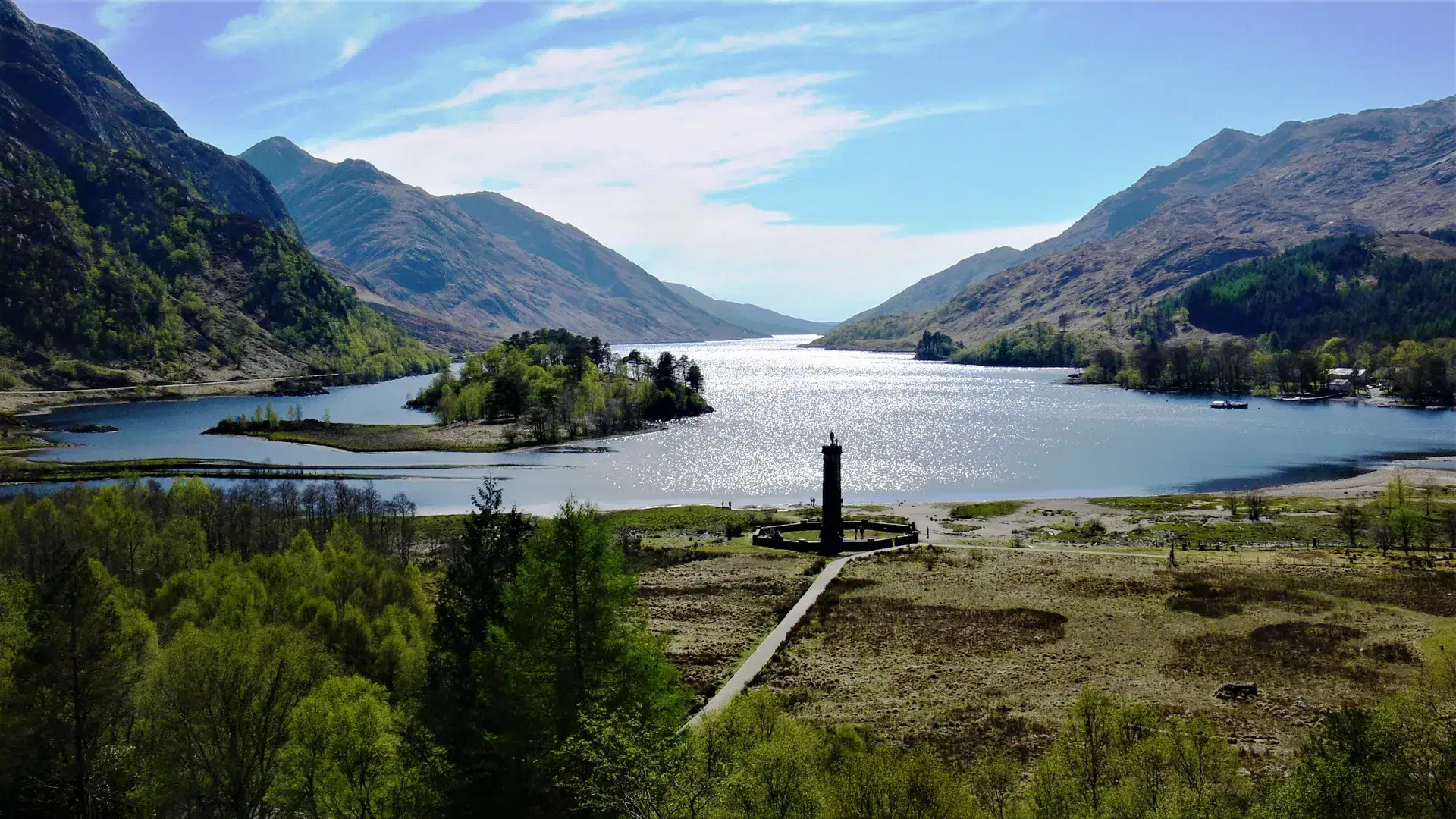
Option Two: Travel the Road to the Isles by private vehicle — following the same route by road through some of the most breathtakingly beautiful and remote Highland scenery in Scotland. Stop at the Glenfinnan Monument and Visitor Centre on the shores of Loch Shiel — where Bonnie Prince Charlie raised his standard on 19 August 1745, beginning the last Jacobite Rising — and enjoy the full drama of the western Highlands without the timetable constraints of the train.
Whether you travel by steam train or private vehicle, the Glenfinnan Valley is one of the most emotionally resonant and scenically extraordinary places in Scotland. The tall column of the Glenfinnan Monument stands at the head of Loch Shiel — erected in 1815 to commemorate the Highlanders who fought and died for the Jacobite cause — and the long, still waters of the loch stretch south between the mountains in a scene of such profound beauty that it has inspired artists, poets, and filmmakers for two centuries. The Hogwarts Express connection brings a sense of magic; the real history brings a sense of something deeper and older still.
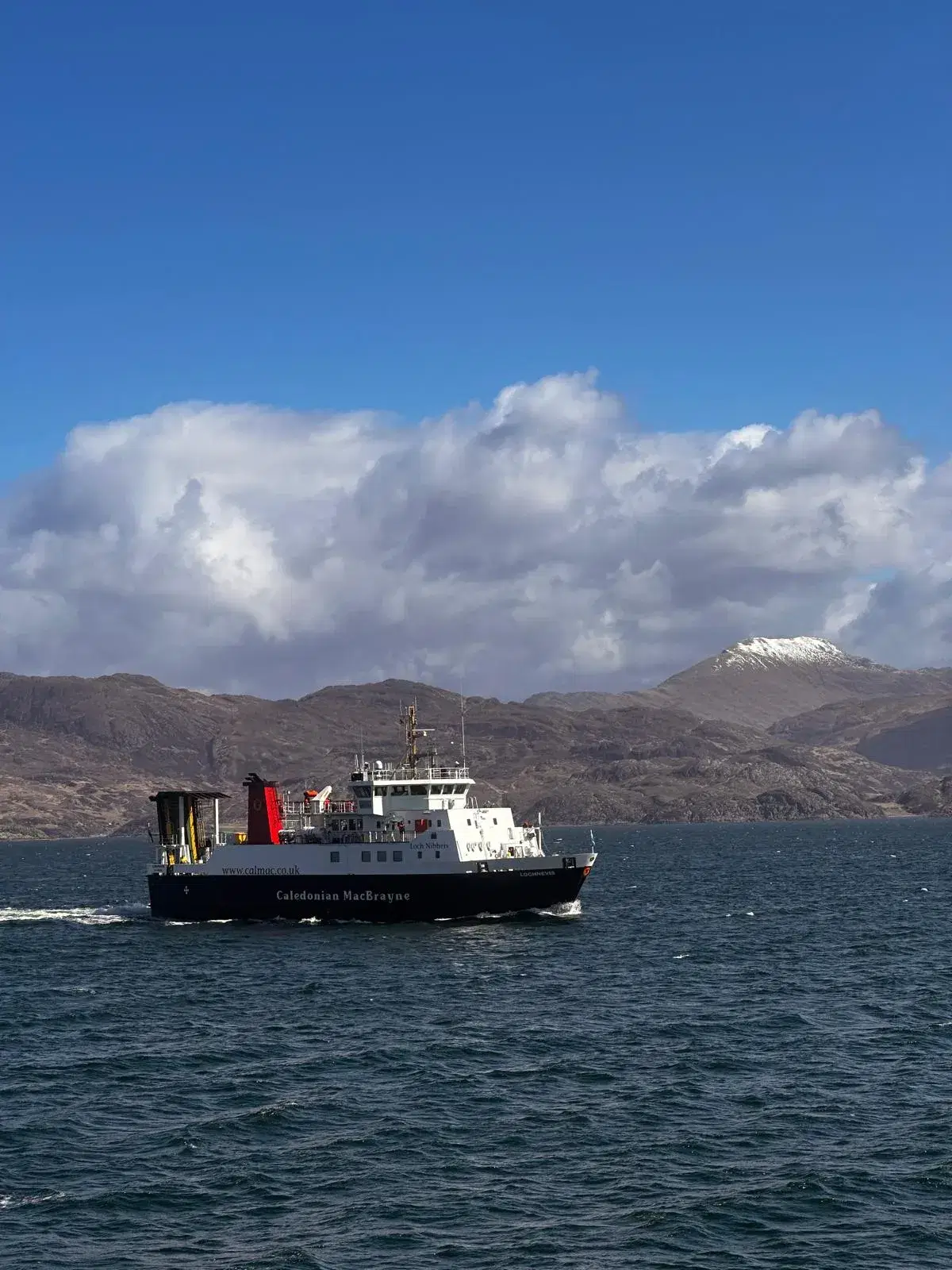
Arrive at Mallaig — a working fishing port and ferry terminal on the western edge of the Scottish mainland, where the smell of the sea and the cry of gulls announce your arrival at the very edge of Scotland. Board the CalMac ferry for the short crossing to Armadale on the Sleat Peninsula of Skye — a passage across a sea loch of extraordinary beauty, with the mountains of Knoydart rising behind Mallaig and the green hills of Skye drawing closer across the water. Keep your eyes on the surface — bottlenose and common dolphins are regularly spotted riding the bow wave of the ferry on this crossing, and porpoises, seals, and even minke whales are not uncommon.
Arrive on Skye and make your way to your overnight accommodation — the perfect base from which to begin tomorrow’s full island exploration. Skye’s evenings reward those who venture out: the quality of the light over the Cuillins at dusk, the village pubs where traditional music drifts through open doors, and the extraordinary seafood restaurants that serve langoustines, scallops, and oysters caught that same day in the surrounding waters. This is an island that earns its reputation at every hour of the day.
Approximately 10 hours | Departing Skye accommodation | Return via Skye Bridge & Eilean Donan | Returning to Edinburgh or Stirling
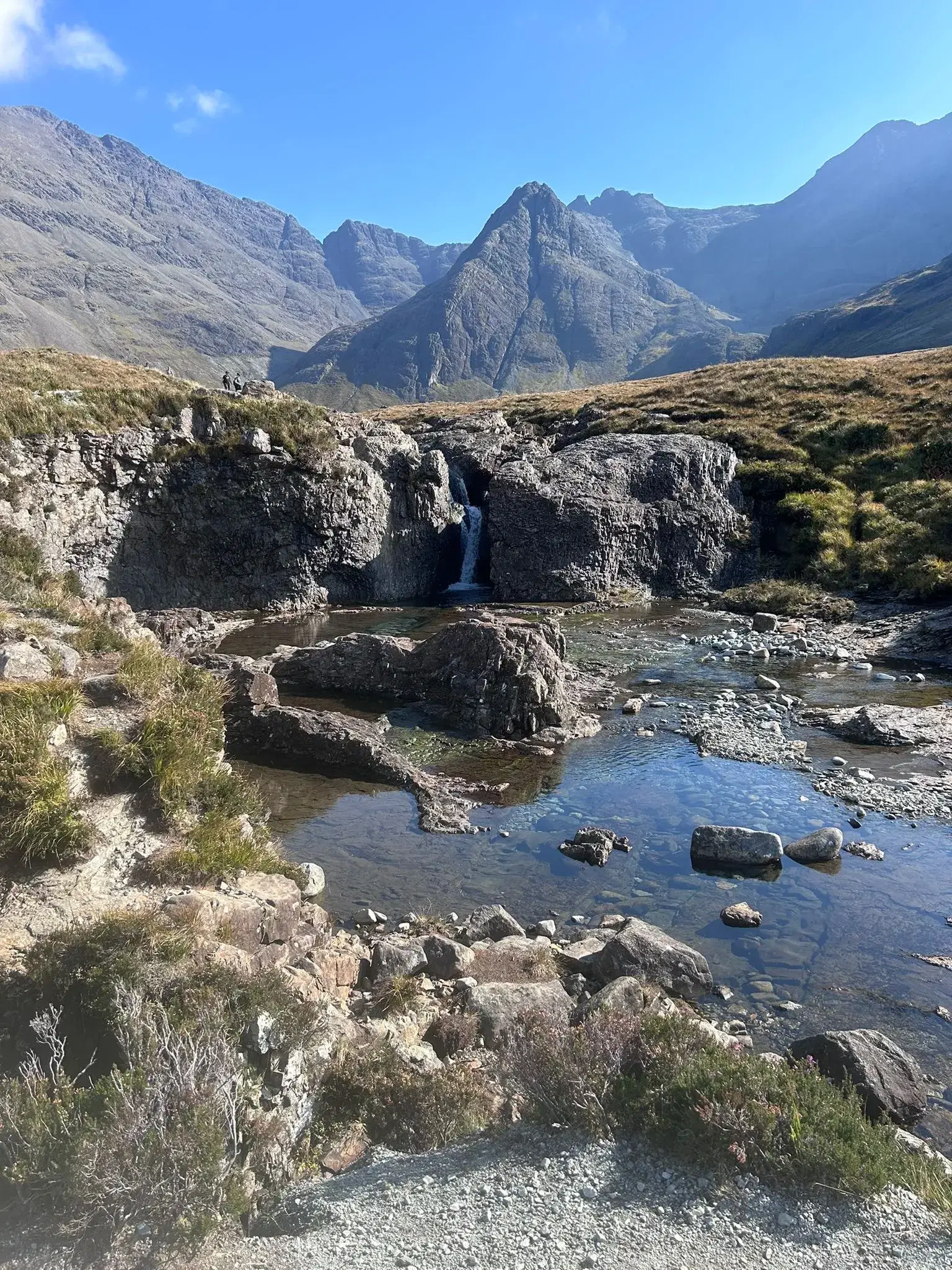
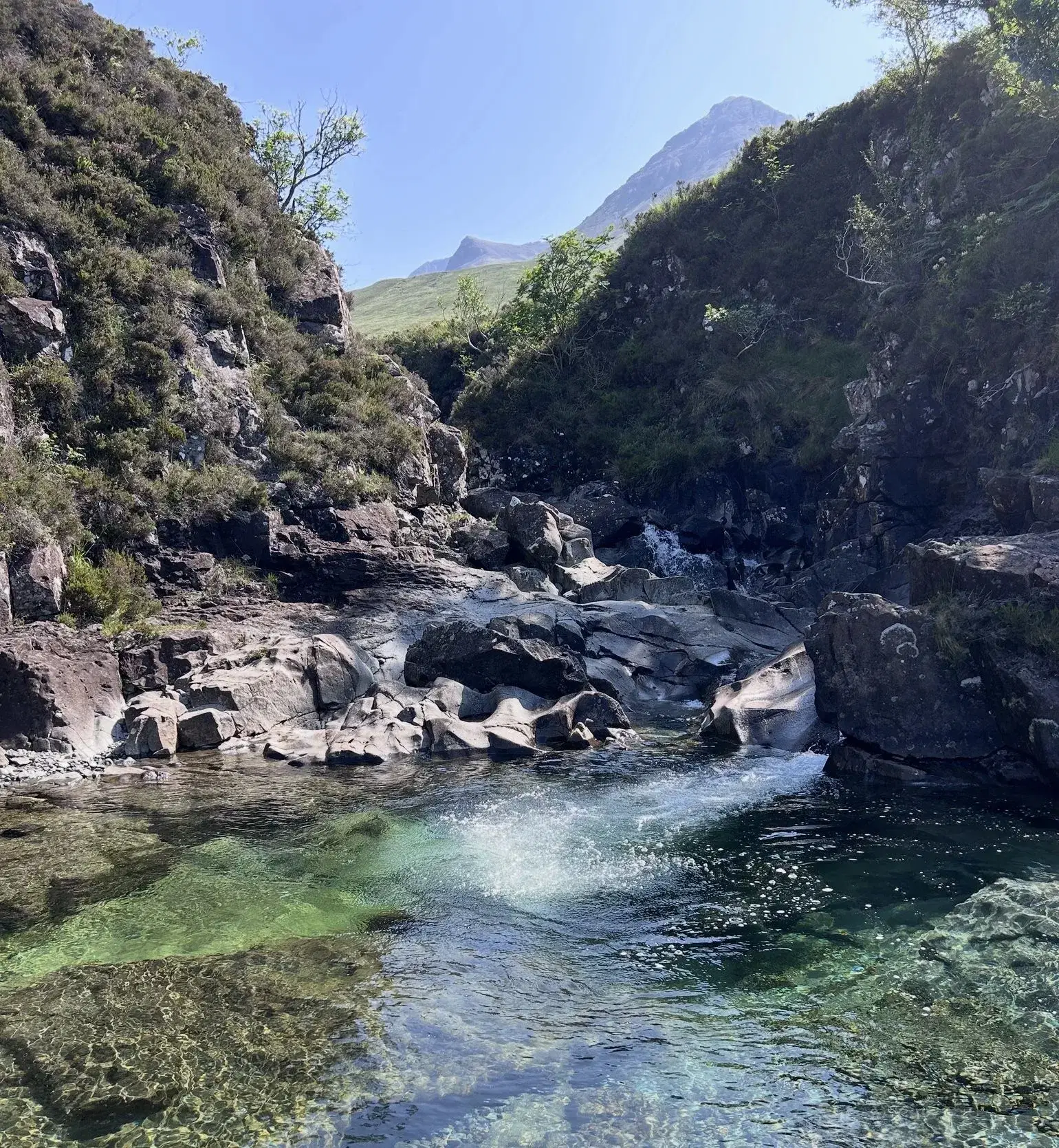
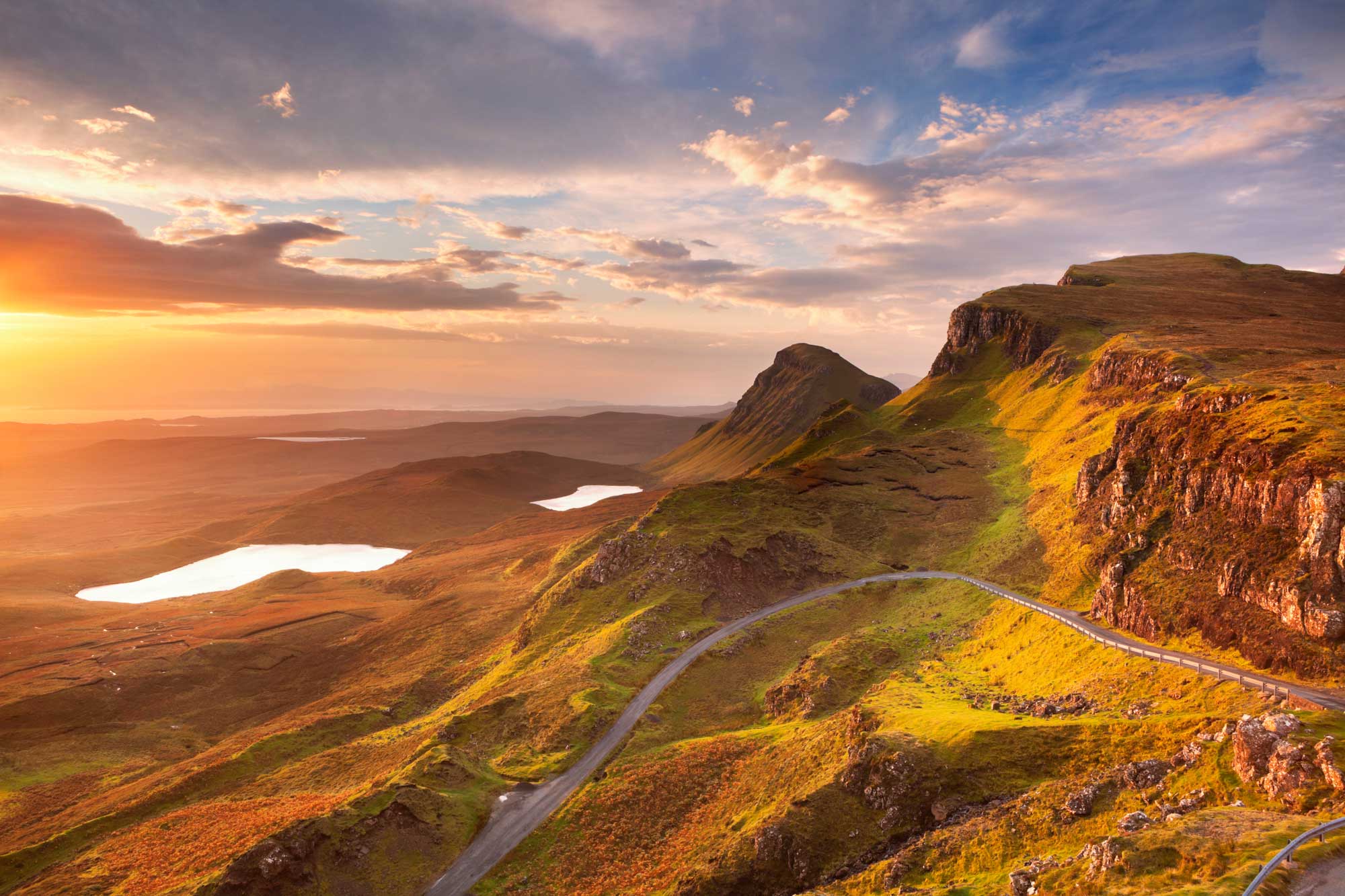
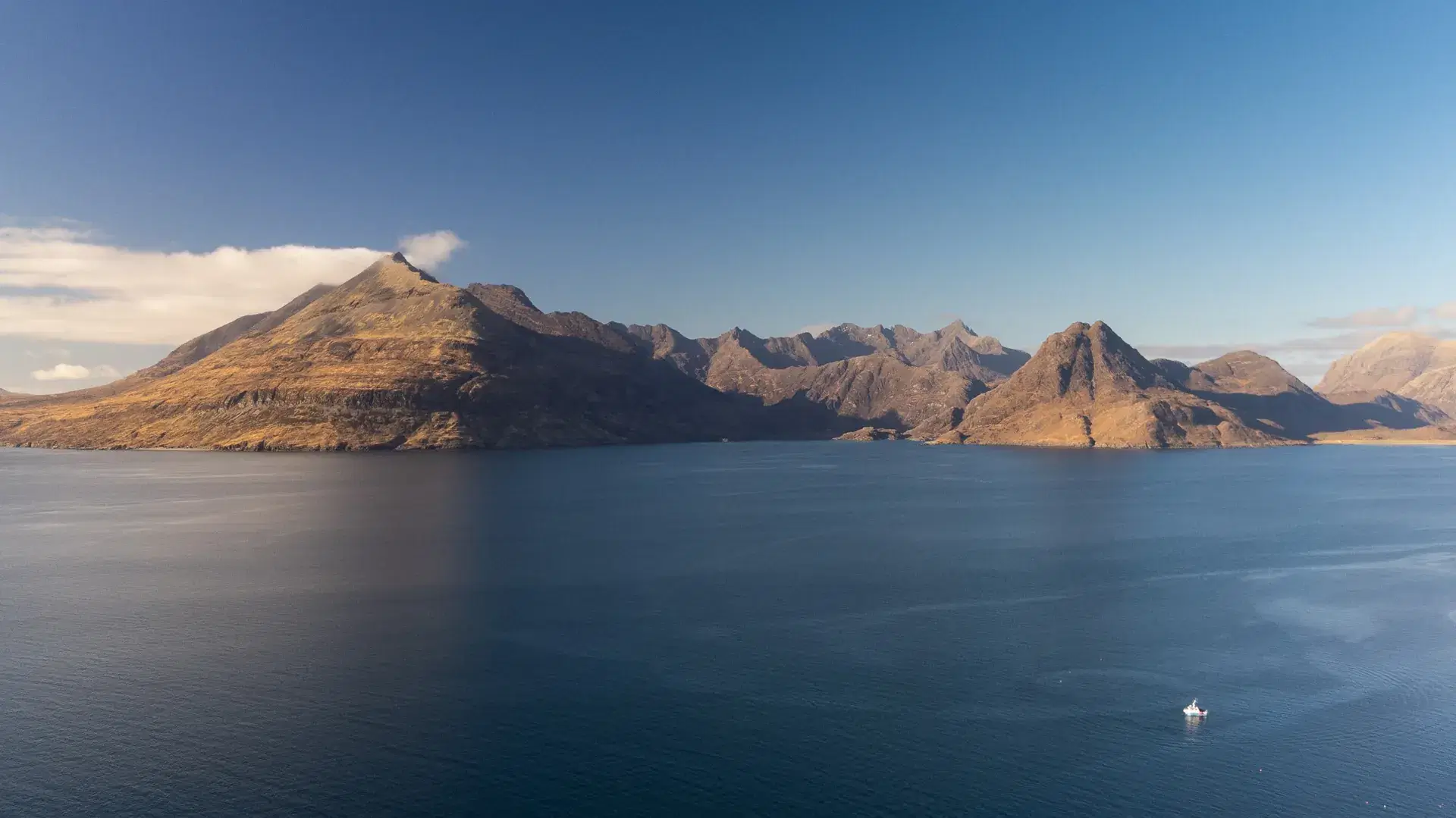
Rise on Skye and step outside into one of the most extraordinary island landscapes in Europe. The Isle of Skye — ‘the Misty Isle’ in Gaelic — is 50 miles long and covers over 600 square miles of mountains, sea cliffs, ancient brochs, fairy pools, and coastline of savage, otherworldly beauty. Today is a full, unhurried exploration of the island’s greatest highlights — from a castle that has been home to the same clan for 800 years to a rock formation that looks like it belongs on another planet entirely.
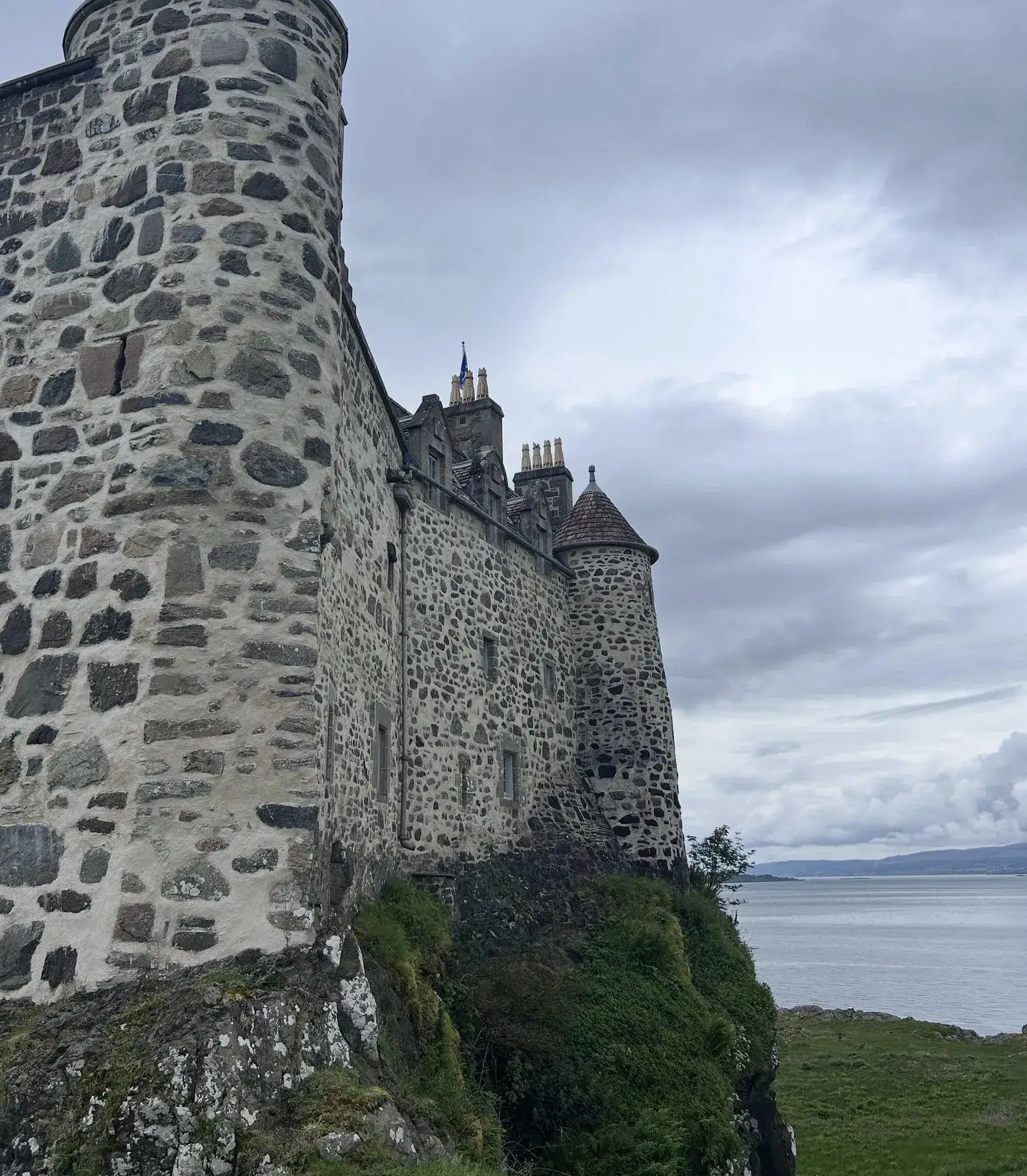
Begin at Dunvegan Castle — the oldest continuously inhabited castle in Scotland and the ancestral seat of Clan MacLeod for over 800 years. Perched above Loch Dunvegan on the western shore of Skye, this extraordinary fortress has been home to the Chiefs of MacLeod since the 13th century — a remarkable, unbroken thread of family occupation that makes it unique among Scottish castles. Explore the castle’s richly furnished rooms, discover the legendary Fairy Flag — a tattered piece of silk said to have been gifted to the clan by the fairies and capable of saving the MacLeods from disaster if unfurled in battle — and wander the beautiful woodland gardens above the loch.
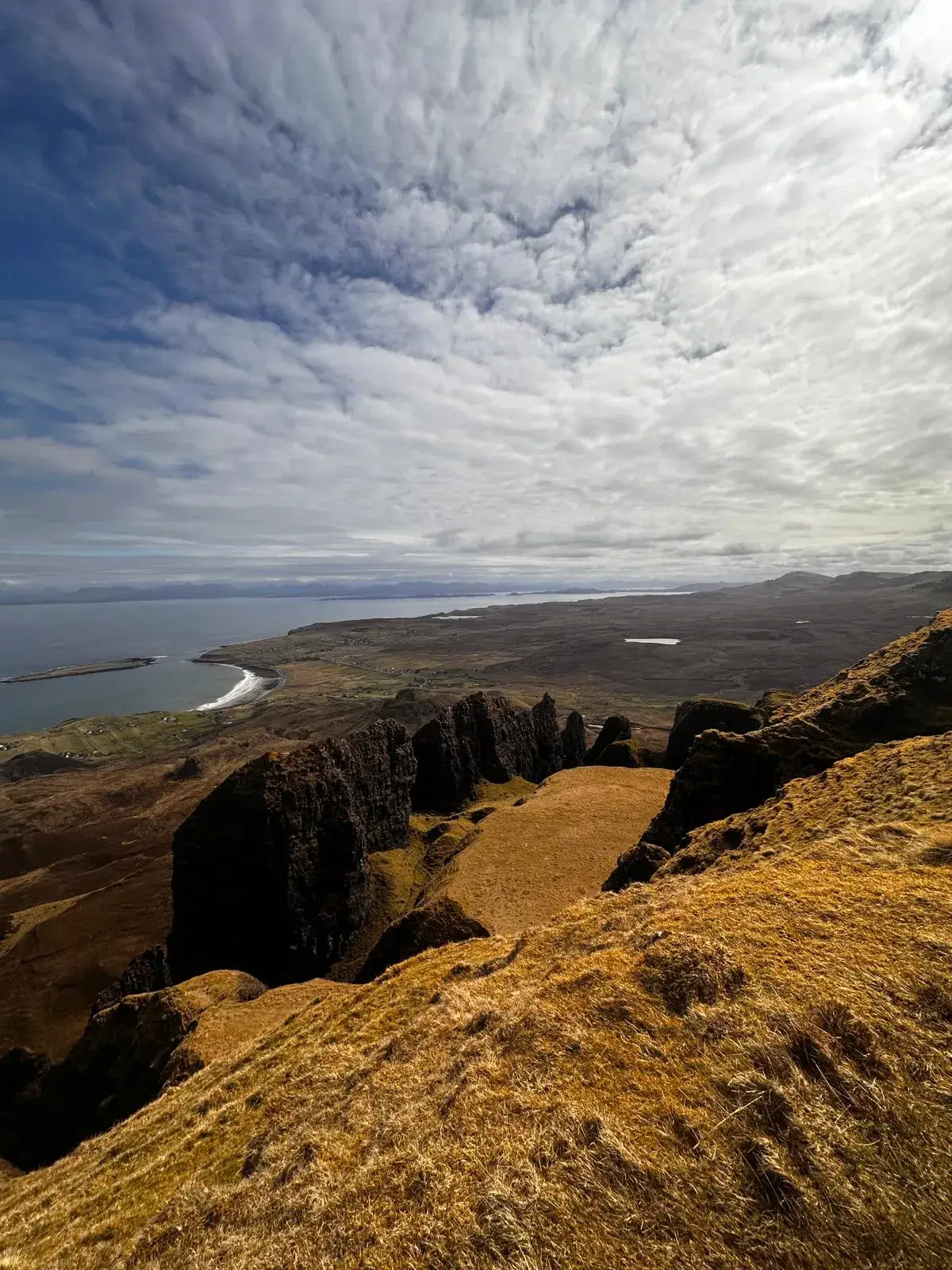
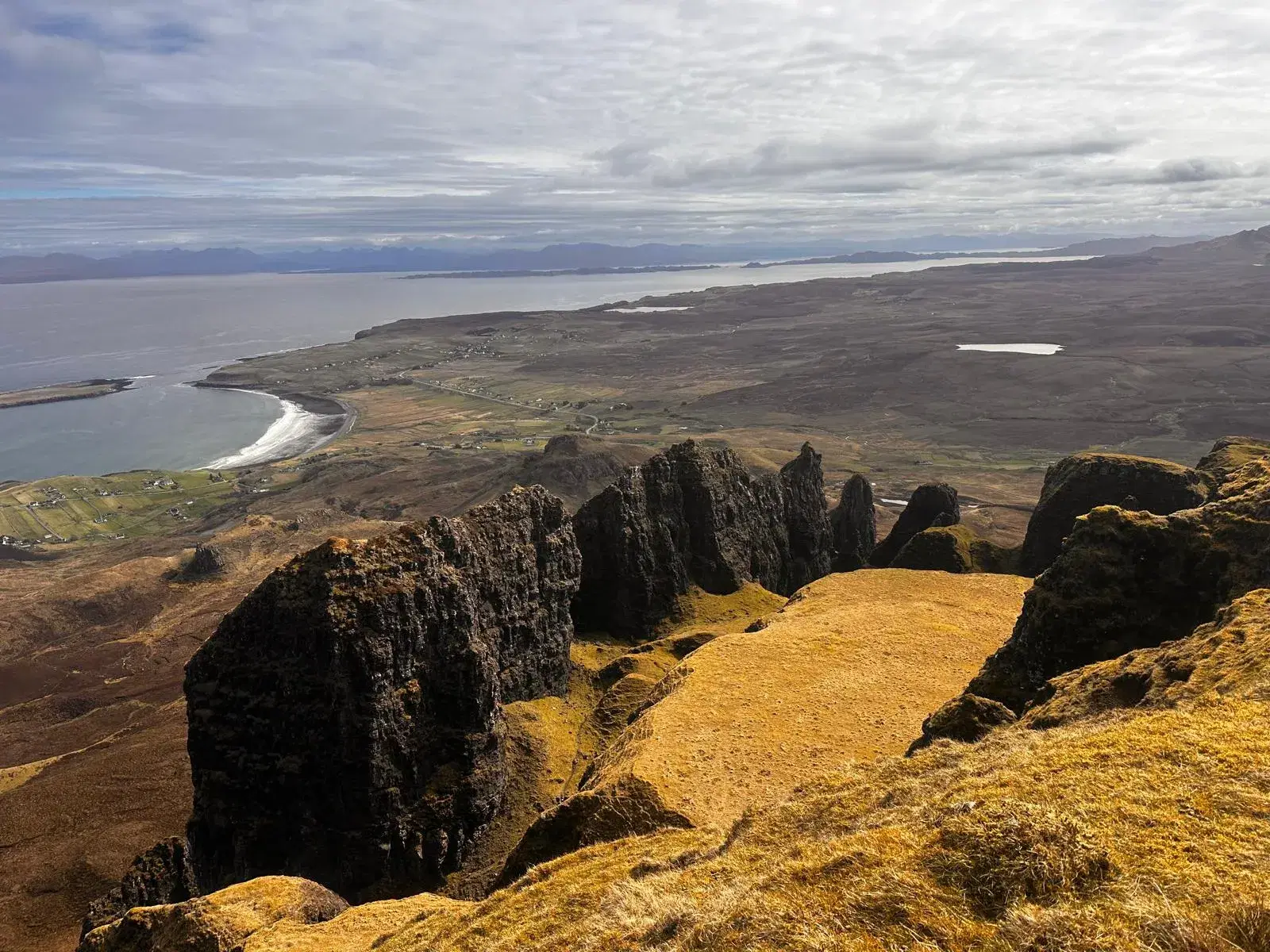
Travel north along the dramatic Trotternish Peninsula — a 20-mile spine of volcanic rock sculpted by ancient landslides into some of the most extraordinary and alien landscapes in the British Isles. The Trotternish Ridge is the longest continuous landslip in the United Kingdom, and the scenery it has created — a series of towering pinnacles, dramatic escarpments, and sweeping coastal views — is unlike anything else in Scotland.
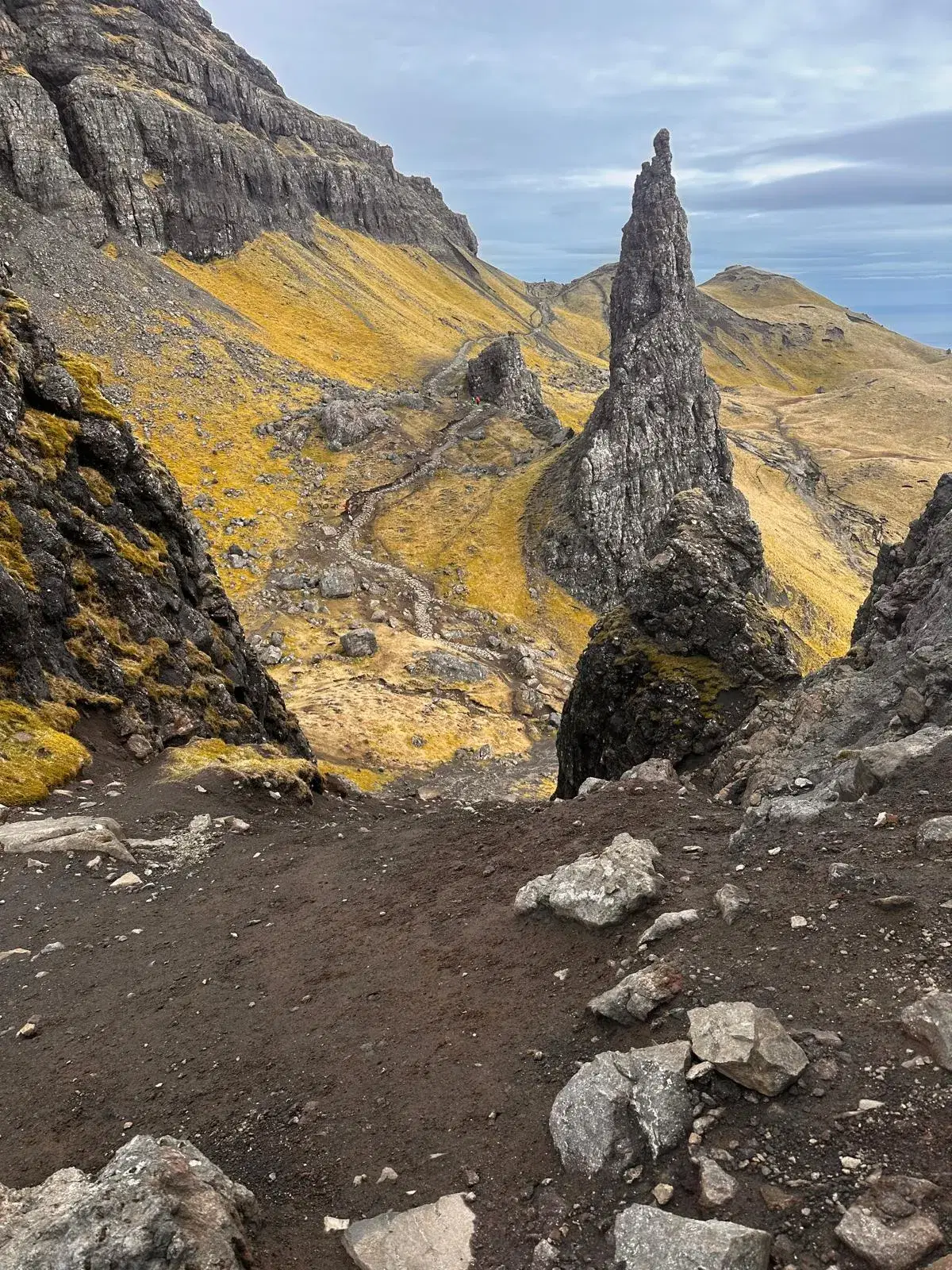
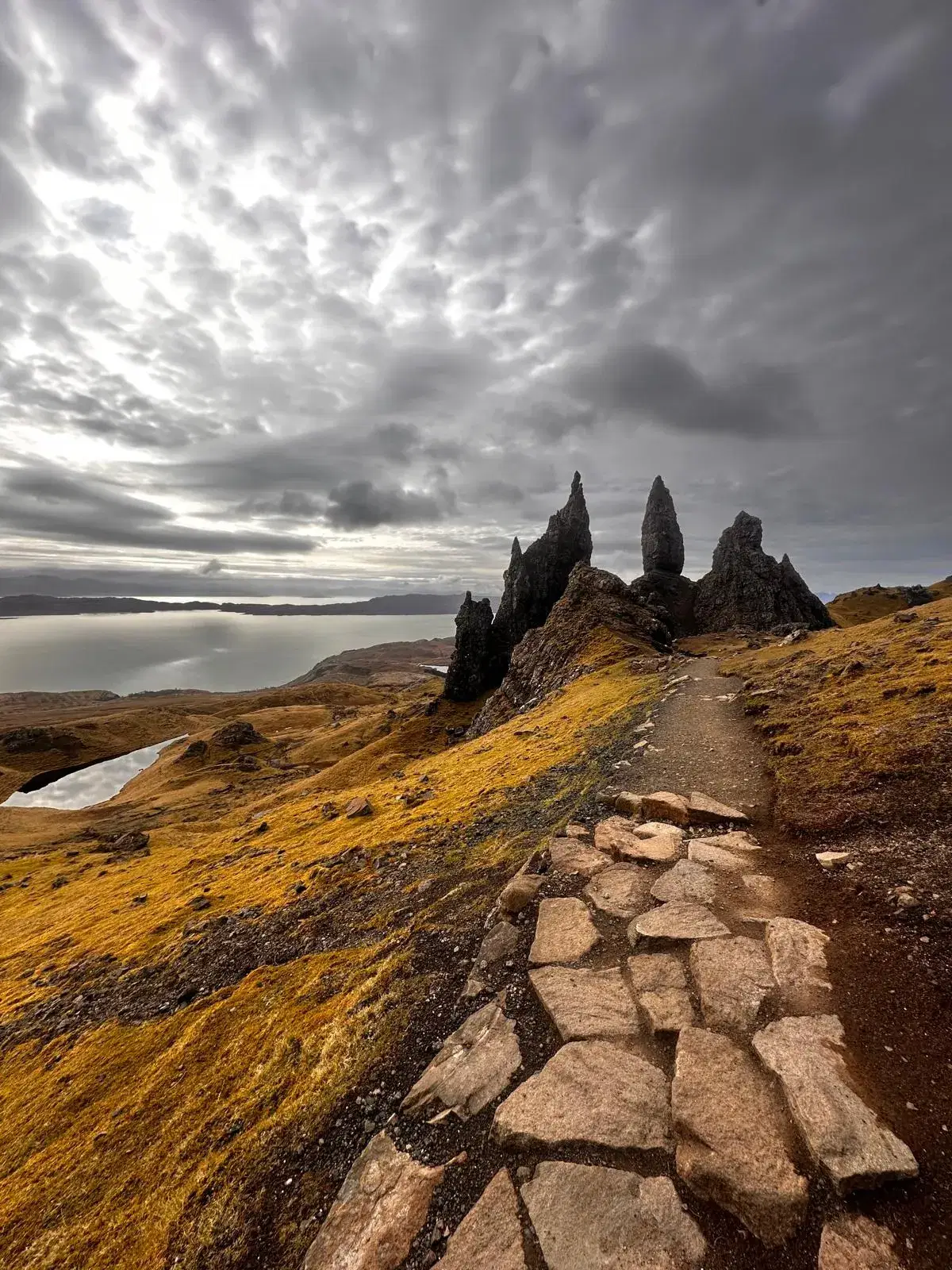
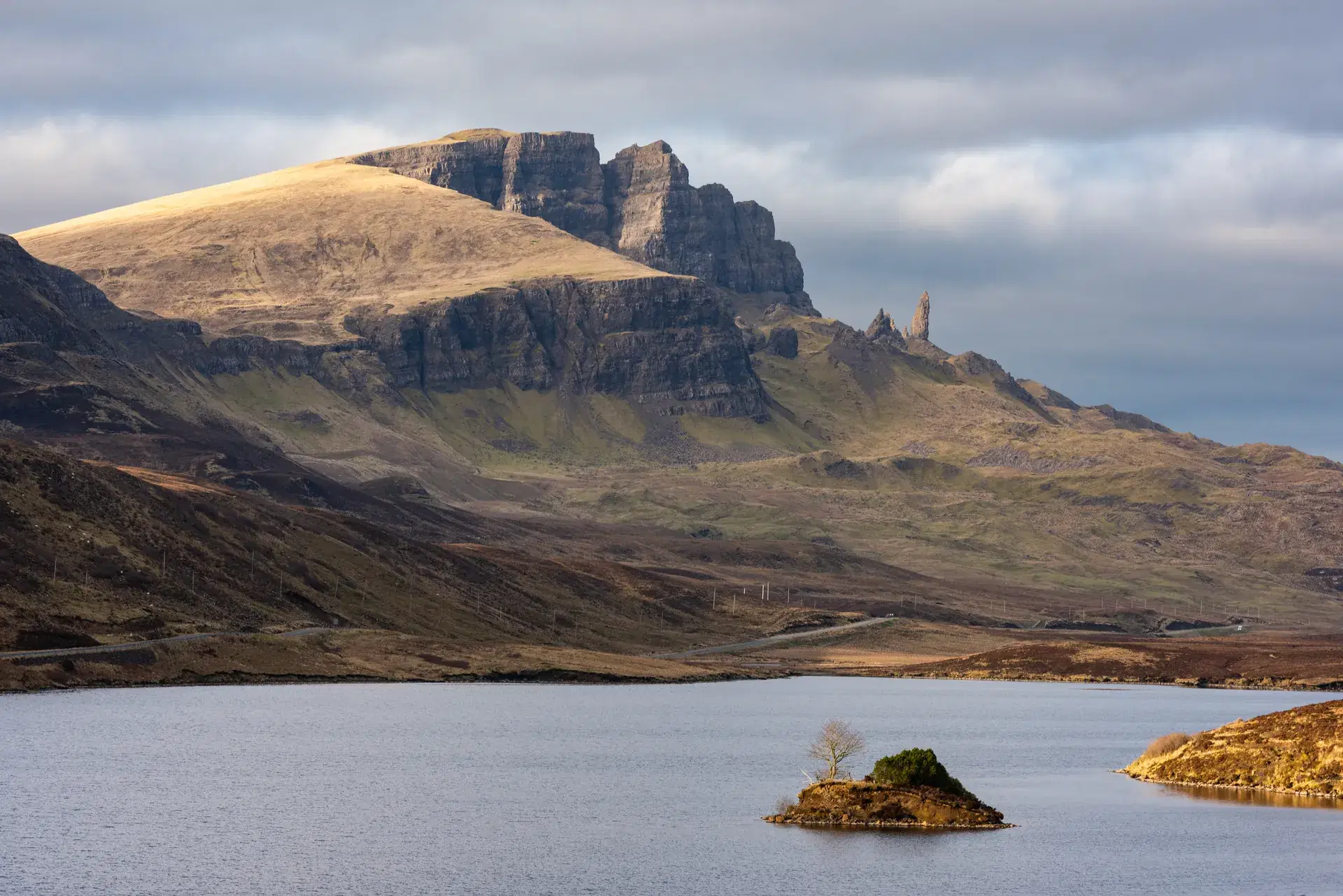
The undisputed icon of the Trotternish is the Old Man of Storr — a 50-metre pinnacle of black basalt rock that rises impossibly from the hillside above Loch Leathan, visible from miles around and instantly recognisable as one of Scotland’s most photographed natural monuments. Named for a giant said to be buried in the hillside below, the Old Man has been drawing climbers, photographers, and curious visitors since the first ascent in 1955. On a clear day, the views from the base extend across the Inner Sound to the mountains of Torridon on the mainland — simply breathtaking.
Continue north along the coast to Kilt Rock — a towering sea cliff of columnar basalt whose vertical striations of dark and lighter rock bear an unmistakable resemblance to the folds of a Highland kilt. Beside it, the Mealt Waterfall plunges 55 metres directly from the clifftop into the sea below — a spectacular and vertiginous sight that is one of Skye’s most dramatic viewpoints. The combination of the patterned cliff face, the plunging waterfall, and the open sea stretching to the horizon makes this one of the finest viewpoints on the island.
Visit the Skye Museum of Island Life at Kilmuir — a beautifully preserved collection of traditional thatched blackhouses that recreate the daily life of a 19th-century crofting township with extraordinary authenticity. Wander through the cottages, barns, and weaving sheds, and discover the tools, furniture, and personal belongings of the island families who lived here — a deeply moving and intimate portrait of a way of life that the Highland Clearances came close to extinguishing entirely. In the nearby churchyard lies the grave of Flora MacDonald — the Skye woman who helped Bonnie Prince Charlie escape to France disguised as her maidservant after Culloden, one of the most romantic and daring acts in Scottish history.
Leave Skye via the Skye Bridge — the elegant modern crossing that connects the island to the Kyle of Lochalsh — and travel south along the shores of Loch Duich to Eilean Donan Castle, arguably the most photographed and most romantically situated castle in all of Scotland. Rising from a tiny island at the meeting point of three sea lochs, its ancient walls perfectly reflected in the still water with the mountains of Kintail rising dramatically behind it, Eilean Donan has appeared in countless films, television series, and on the covers of a thousand travel books.
Originally built in the 13th century and largely destroyed in a Jacobite siege in 1719, the castle was meticulously restored between 1919 and 1932 and today stands as a near-perfect example of the Scottish baronial style. Explore the atmospheric rooms, the Jacobite artefacts, and the extraordinary views from the battlements — and take the photograph that everyone who visits Scotland eventually takes. It never disappoints.
Travel south through the magnificent Glen Shiel — where the mountains of the Five Sisters of Kintail line the road in a procession of soaring ridges that is one of the finest Highland drives in Scotland — before heading through Glencoe or the Trossachs depending on conditions and your preferences, and back south across the Forth Bridges to Edinburgh or Stirling. The drive home gives the day’s extraordinary experiences time to settle — with the Highland landscape still scrolling past the windows long after the last mountain has disappeared from view.
Ready to experience the very best of Scotland on your own terms? Tell us when you’d like to travel, how many are in your party, and where you’d like your journey to begin. We’ll check availability for your preferred dates and craft a bespoke multi-day itinerary shaped around your interests, pace, and must‑see places. Share a few details below and our expert driver‑guide will be in touch with a personalised proposal, pricing, and suggestions to make your time in Scotland unforgettable.
Max 6 persons
Max 5 suitcases
We look forward to welcoming you to Scotland — personally.