Glencoe, The Great Glen & Inverness
2-Day Private Highland Tour from Edinburgh or Stirling
Max 6 persons
Max 5 suitcases
Prices from £650 per day for a group of six persons. T&Cs apply.
Travelling with a larger group? Get in touch2-Day Private Highland Tour from Edinburgh or Stirling
Max 6 persons
Max 5 suitcases
Prices from £650 per day for a group of six persons. T&Cs apply.
Travelling with a larger group? Get in touchThis magnificent two-day private tour takes you on one of the grandest and most historically charged journeys Scotland has to offer — from the Trossachs and the famous castle walls of Doune, through the raw wilderness of Rannoch Moor and the awe-inspiring drama of Glencoe, along the Great Glen’s chain of lochs and canals to Fort Augustus, and north along the legendary shores of Loch Ness to spend the night in Inverness — the vibrant, welcoming capital of the Scottish Highlands.
Day One is an epic west-to-north sweep through the Highland landscape at its most primal and overwhelming — covering ground that has inspired filmmakers, novelists, and adventurers for generations. Day Two turns to history’s darkest chapters and Scotland’s most legendary waters — a morning cruise on Loch Ness with a visit to the ruins of Urquhart Castle, followed by the profoundly moving experience of Culloden Battlefield and the optional grandeur of Fort George, before the long, scenic return through the Cairngorms and south across the Forth Bridges.
This is two days of Scotland that covers the full emotional spectrum — beauty, drama, legend, and history woven together into an itinerary that is impossible to forget.
Approximately 9 hours | Departing Edinburgh or Stirling | Overnight: Inverness
Depart from your accommodation in Edinburgh or Stirling and head northwest into the Scottish Highlands on a day that builds steadily from medieval castles and Highland villages to some of the most dramatic and awe-inspiring mountain and loch scenery in Europe. By the time you reach Inverness this evening, you will have crossed the full breadth of the Highlands — from the edge of the Trossachs to the gateway of the far north.
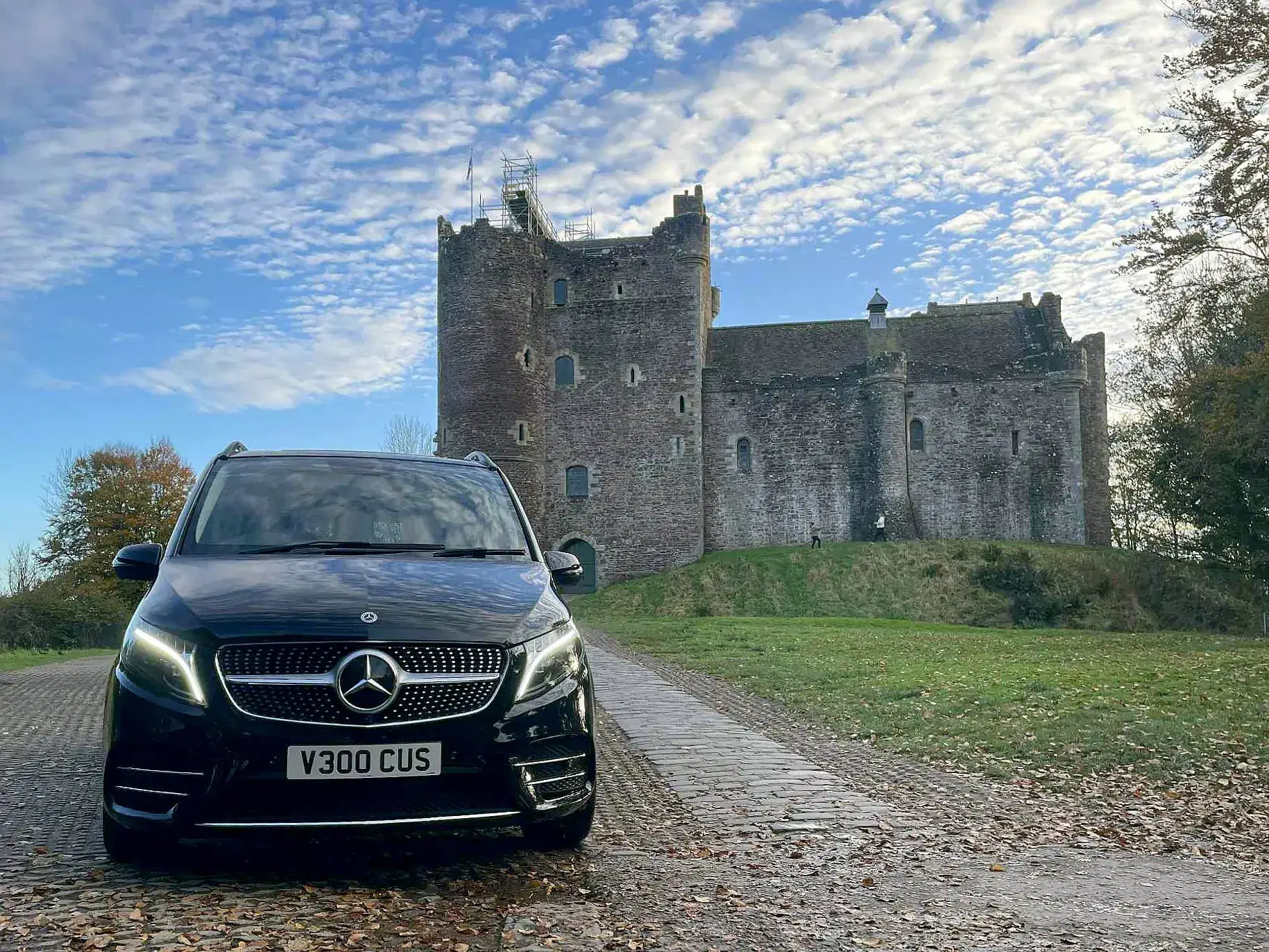
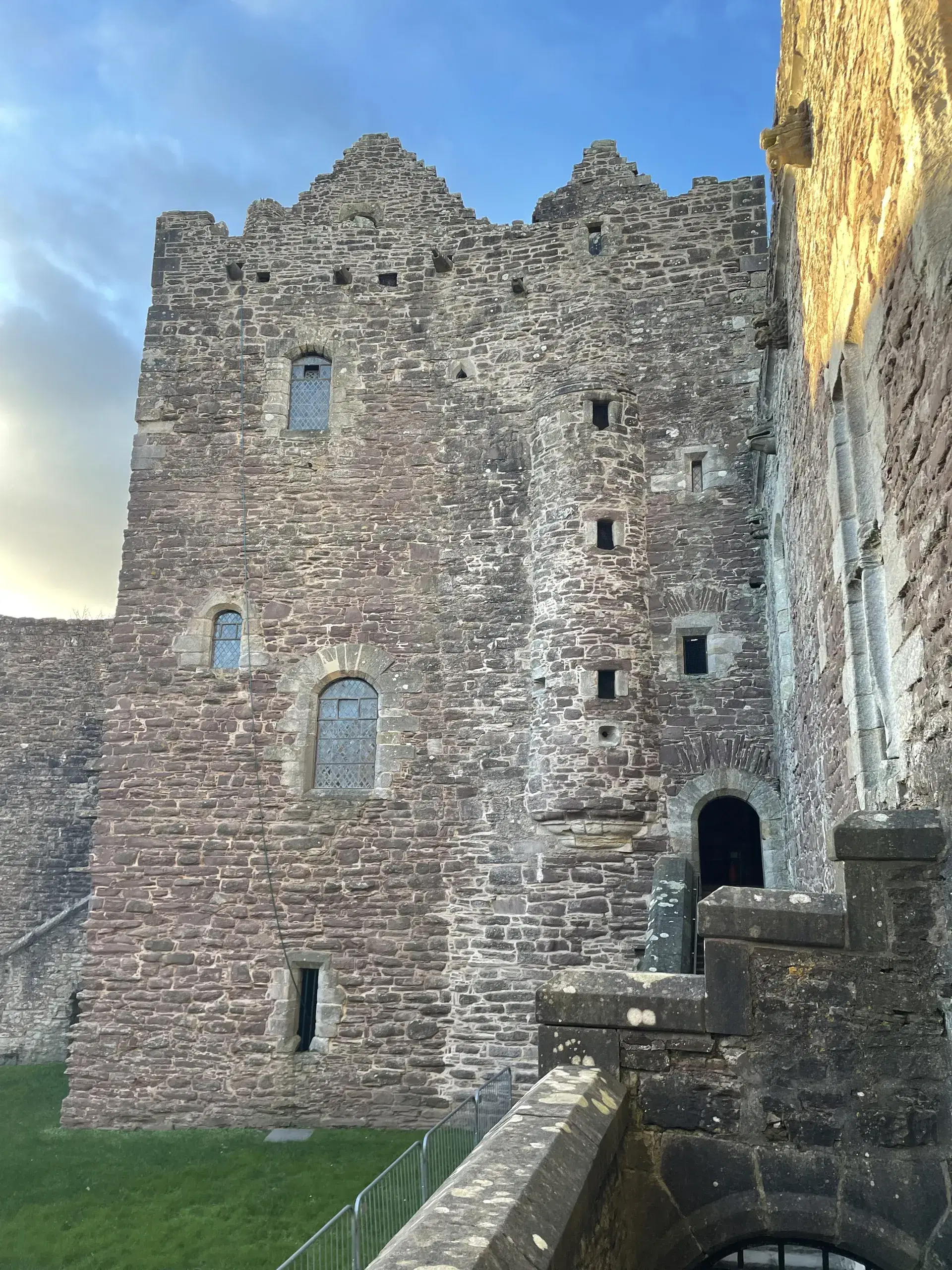
Your Highland adventure begins at Doune Castle — one of the finest and best-preserved medieval fortresses in Scotland, and one of the most screen-famous castles in the world. Built in the 14th century for the Duke of Albany, Doune’s soaring 100-foot gatehouse, magnificent Great Hall with its original minstrels’ gallery, and dramatic position above the River Teith make it an outstanding historic site in its own right.
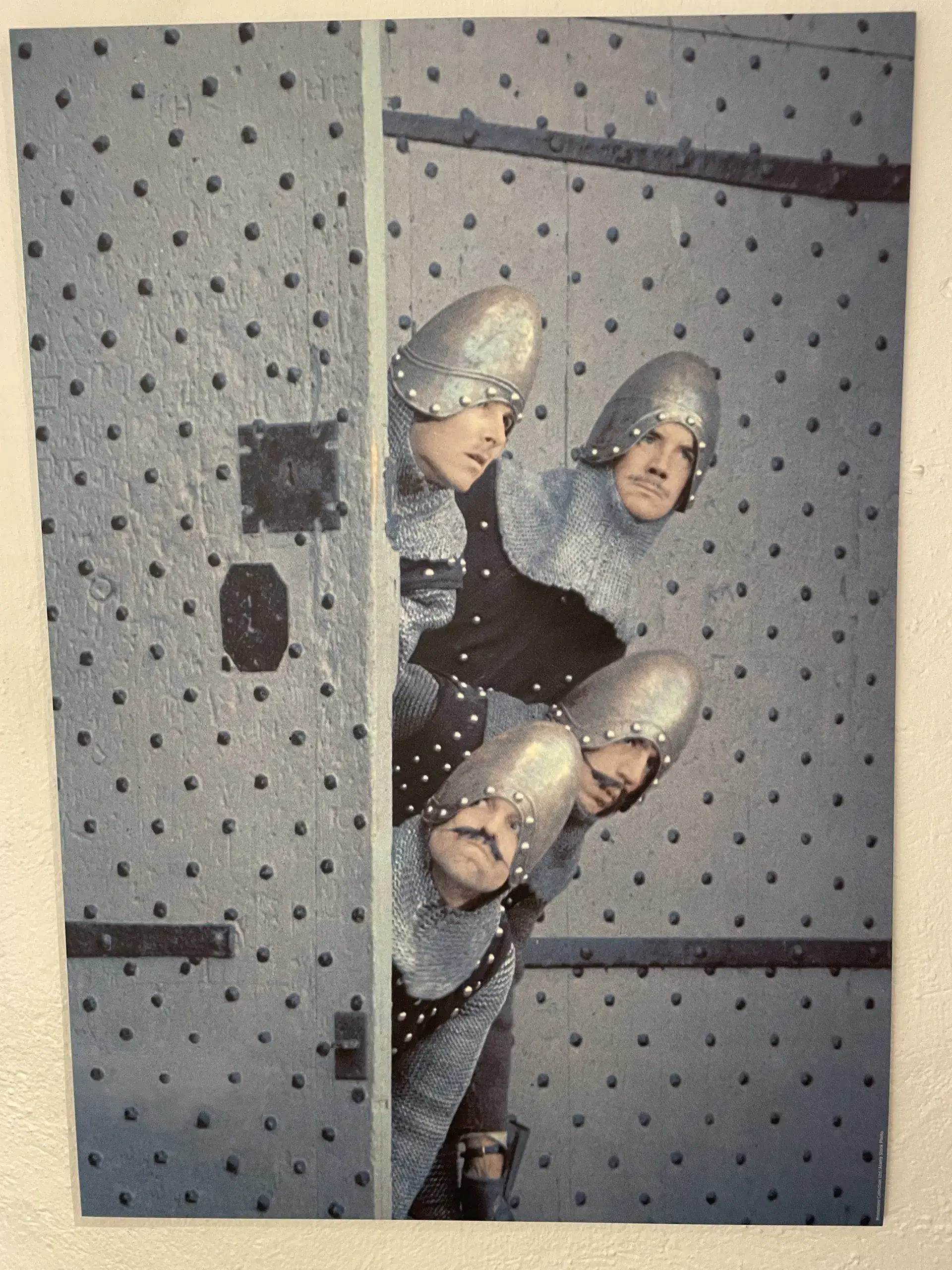
Screen fans will recognise it instantly as Castle Leoch — home of Clan MacKenzie in Outlander — and as the ridiculous Castle of Camelot in Monty Python and the Holy Grail, where the French taunted King Arthur from the battlements. But the real history of Doune is every bit as dramatic — it served as a state prison, was captured by Bonnie Prince Charlie’s forces in 1745, and sits at the centre of centuries of Scottish political intrigue. A perfect opening chapter.
Continue to the charming town of Callander — the traditional gateway to the Scottish Highlands and one of the most popular stopping points on the road north. Nestled between the Trossachs and the Highland Boundary Fault, Callander offers an excellent coffee or tea stop, independent shops, and — if fortune favours you — the opportunity to encounter Scotland’s most beloved and photogenic residents: the shaggy, long-horned Highland cattle that graze the fields around the town. An ideal moment to stretch your legs and prepare for the wilder landscapes ahead.
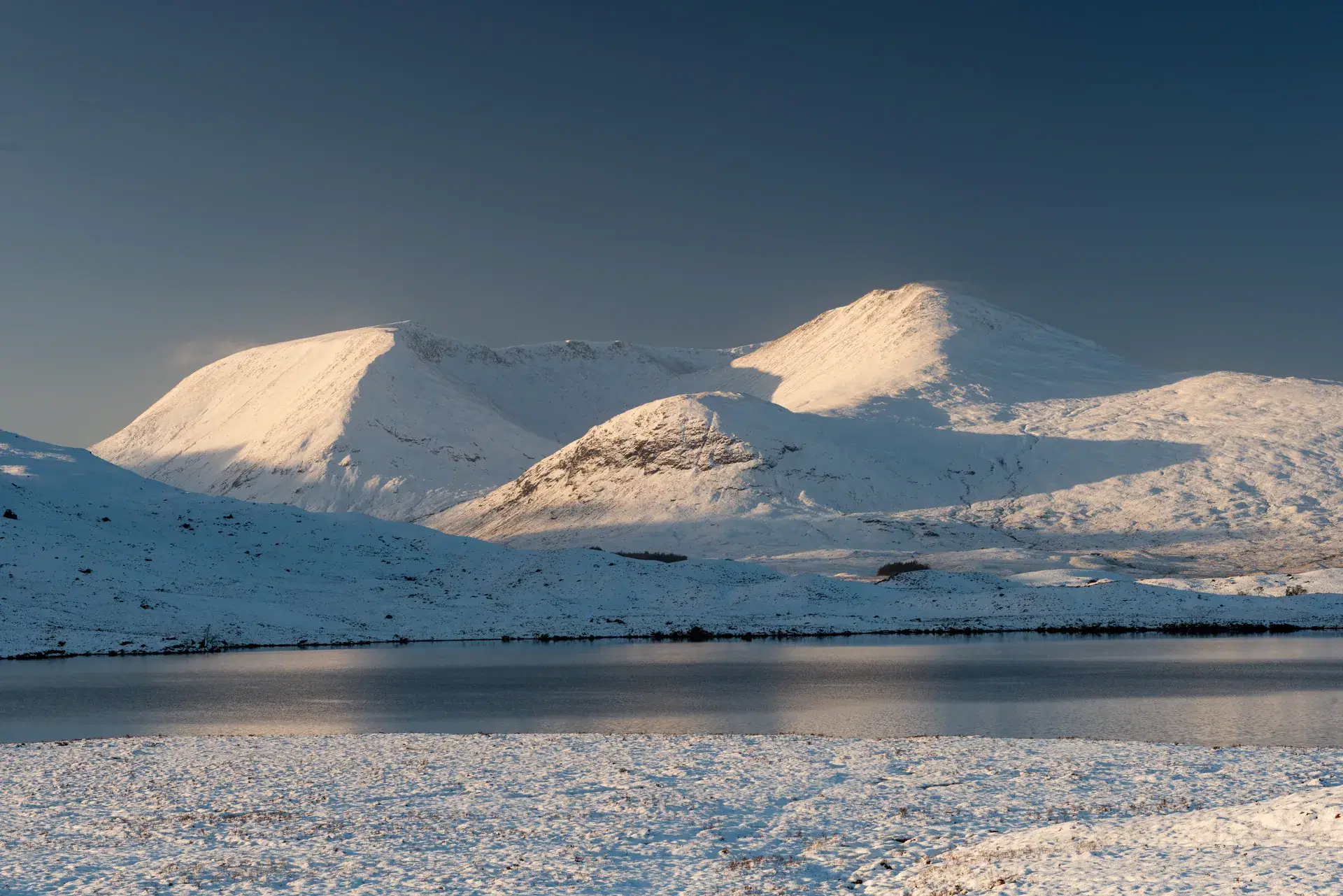
Leave the last traces of civilisation behind and cross Rannoch Moor — a vast, haunting, and breathtakingly beautiful plateau of peat bogs, dark lochs, and endless sky that stretches for fifty square miles across the heart of the Highlands. One of the last truly wild places in Europe, Rannoch Moor has resisted every attempt at road-building, drainage, and development — its remote, elemental character unchanged since the last Ice Age retreated. This is Scotland at its most raw, most ancient, and most magnificent. The silence here is extraordinary.
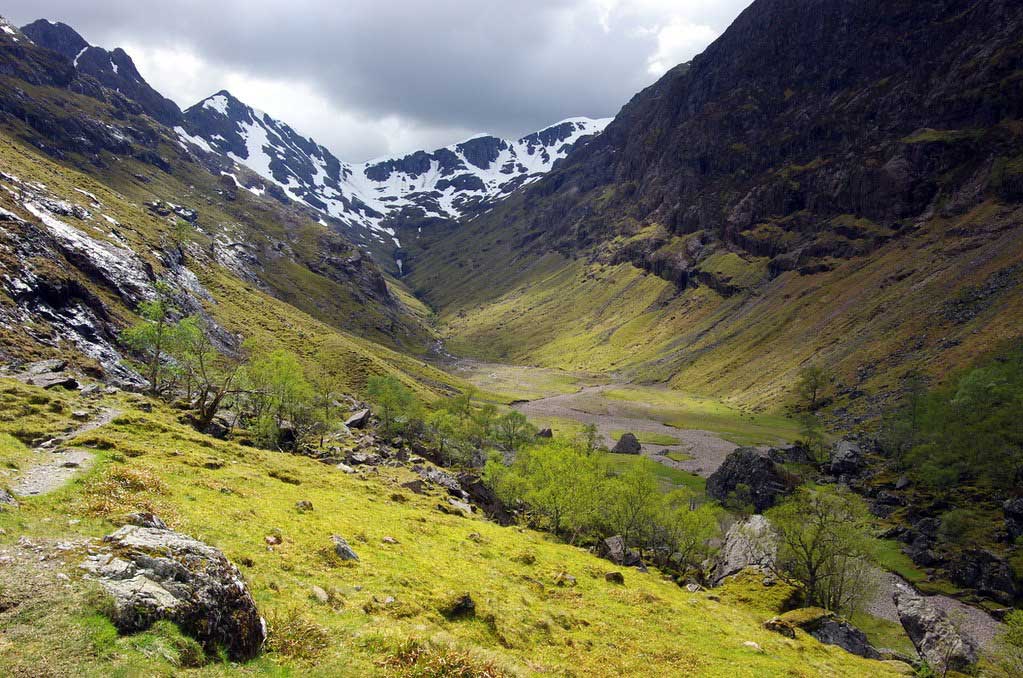
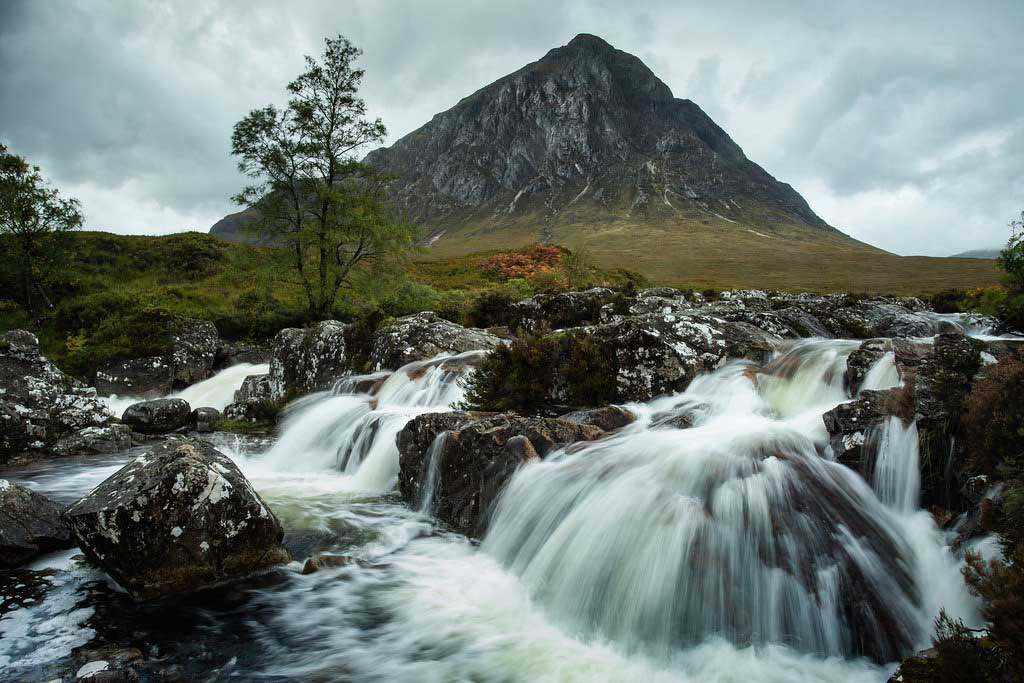
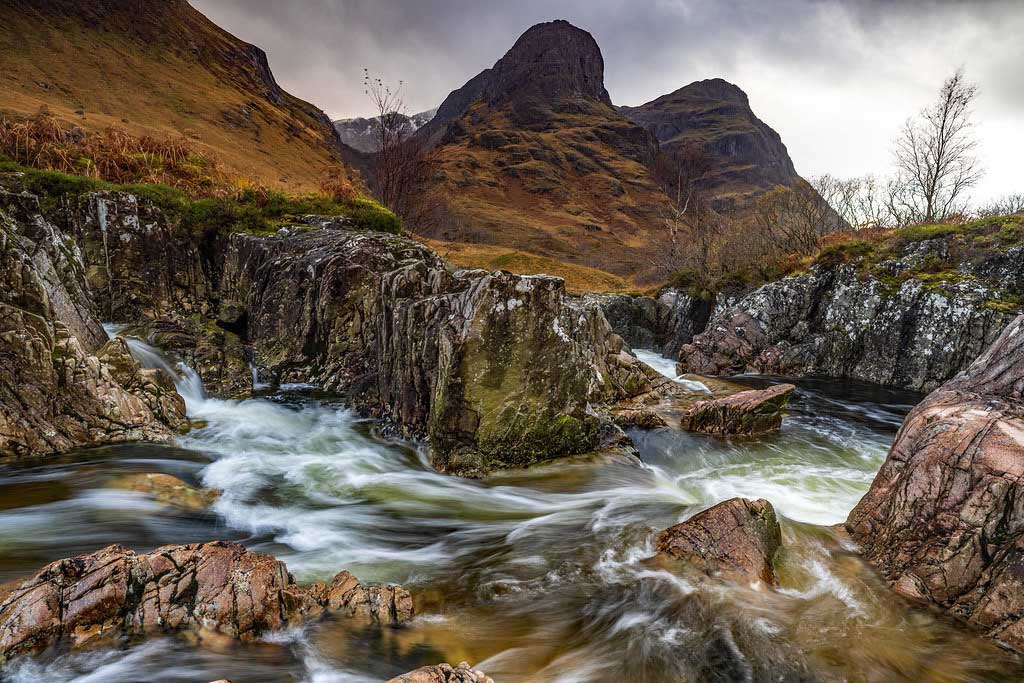
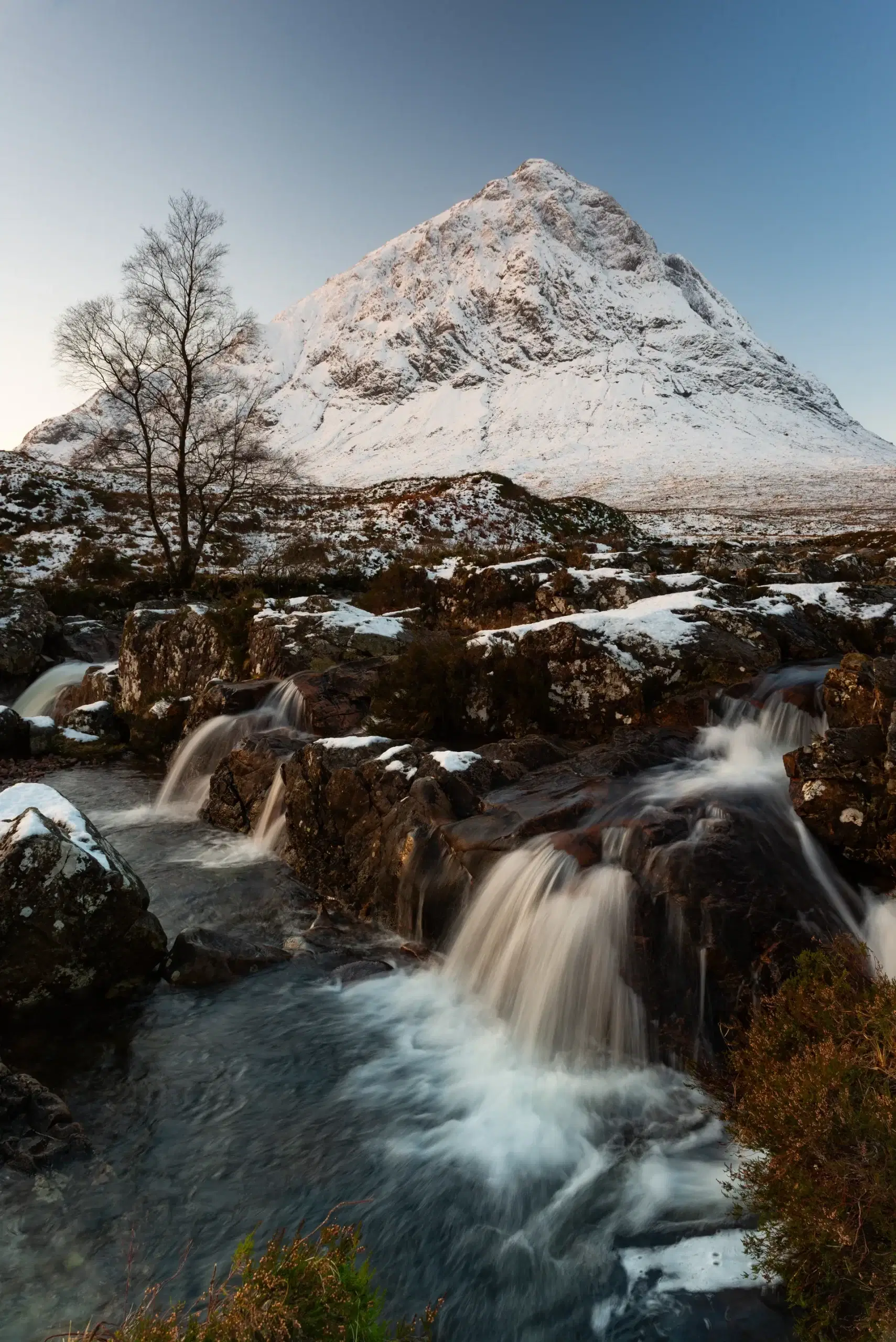
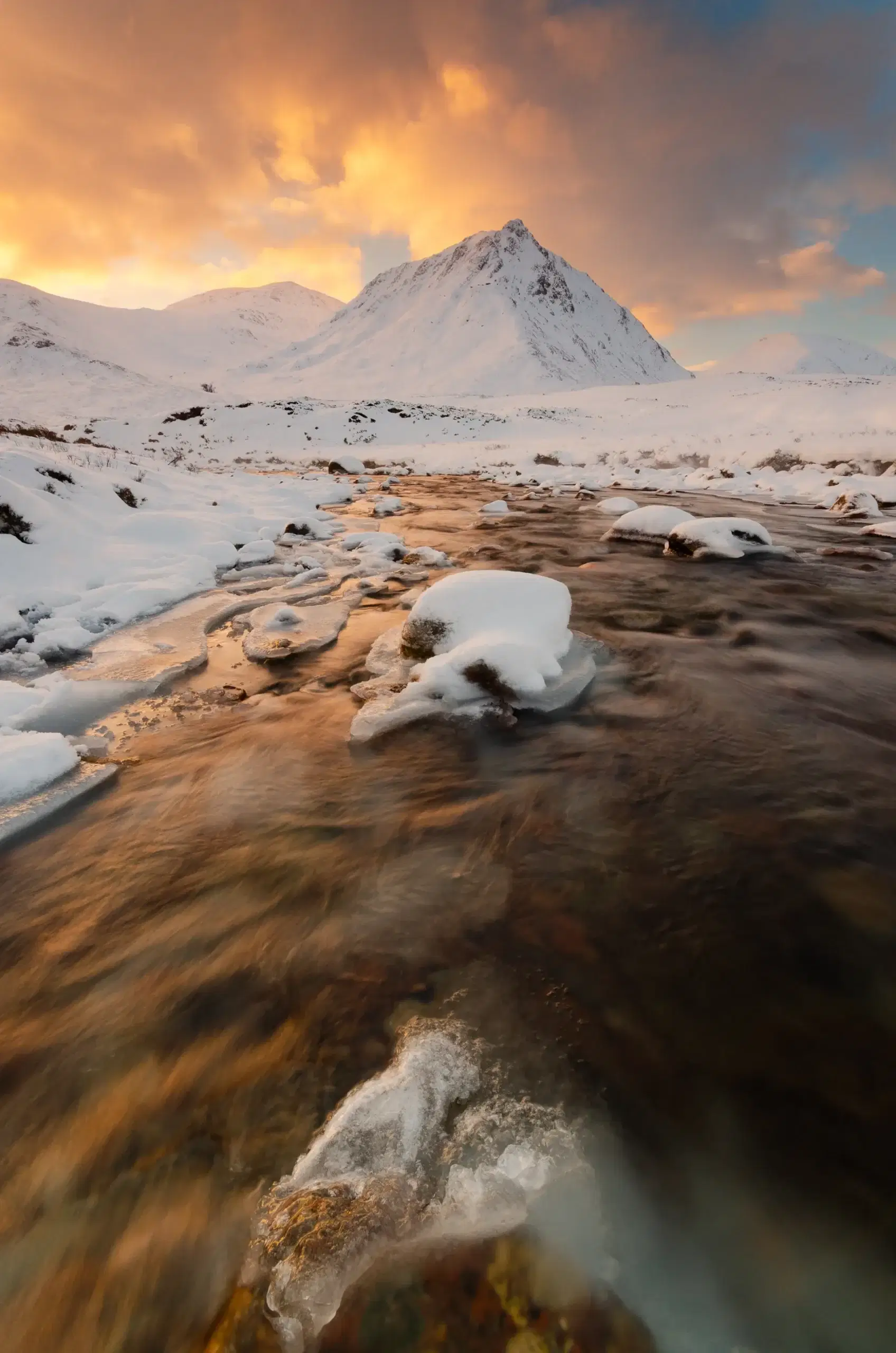
Descend from the moor into Glencoe — introduced by the iconic pyramid of Buchaille Etive Mòr rising at the valley entrance — and enter one of the most awe-inspiring and emotionally resonant landscapes in the world. Towering peaks rise over 3,000 feet on every side, their ancient faces scarred by glaciers and streaked with waterfalls, as the road winds through a valley of overwhelming grandeur.
This is also the site of one of the most notorious acts of betrayal in Scottish history — the Massacre of Glencoe on 13 February 1692, when government soldiers of Clan Campbell, who had accepted the hospitality of the MacDonalds for twelve days, rose at dawn to murder 38 of their sleeping hosts on the secret orders of the government in Edinburgh. The rest fled into a blizzard, and many more died of exposure on the mountains above. Johnny will tell this story in full — and in Glencoe, it carries a weight that cannot be replicated in any classroom.
Pass through Fort William — the self-proclaimed ‘Outdoor Capital of the UK’ — with a stop for a panoramic viewpoint over Glen Nevis and the massive bulk of Ben Nevis, Britain’s highest mountain at 1,345 metres. Whether the summit is clear or wreathed in cloud, the sheer scale of the mountain rising above the valley floor is one of those genuinely humbling Highland experiences that reminds you just how small we are in this landscape.
Arrive at Fort Augustus — the picturesque village at the southern end of Loch Ness, set on the banks of the Caledonian Canal where Thomas Telford’s famous staircase of five canal locks connects the canal to the loch. Watch boats rise and fall between the two waterways as you enjoy a well-earned late lunch at one of the village’s cafés or waterfront restaurants, with the dark, mysterious waters of southern Loch Ness stretching away to the north — your first glimpse of the most famous body of water in the world.
Drive the northern shore of Loch Ness — 37 kilometres of the deepest, darkest, and most legendary loch in Scotland — as afternoon gives way to evening and the light on the water shifts through extraordinary shades of silver, grey, and black. Loch Ness holds more fresh water than all the lakes of England and Wales combined, plunging to depths of 230 metres in places — a statistic that makes the enduring mystery of what might live in its depths feel less far-fetched than it might otherwise.
The legend of Nessie stretches back to 565 AD, when Saint Columba reportedly encountered a fearsome creature in the River Ness. A 1933 newspaper account of a sighting in the loch ignited a global fascination that sonar expeditions, underwater cameras, and satellite surveillance have failed to extinguish. Keep your eyes on the water.
Arrive in Inverness as the evening settles over the River Ness — a city of handsome Victorian architecture, excellent restaurants, lively pubs, and an atmosphere of genuine Highland warmth and welcome. Explore the riverside, visit the Victorian Market, and dine well before an early night — tomorrow brings Loch Ness from the water, the most moving battlefield in Britain, and the long, beautiful drive home through the Cairngorms.
Approximately 10 hours | Departing Inverness | Returning to Edinburgh or Stirling
Rise in Inverness for a day that begins on the legendary waters of Loch Ness and ends with one of the most emotionally powerful and historically significant sites in the whole of Britain. Between them, a ruined castle, a Georgian military fortress, and the sweeping wilderness of the Cairngorm National Park make for a second day that more than matches the drama and beauty of the first.
Begin your morning with an unforgettable boat cruise on Loch Ness — gliding across the legendary dark waters with the Highland peaks reflected around you, while your guide shares the full extraordinary story of Nessie, the loch’s remarkable geology, and the centuries of history played out on its shores. The cruise passes the dramatic ruins of Urquhart Castle — one of Scotland’s largest and most dramatically situated medieval fortresses, perched on a headland above the loch with views stretching the full length of the Great Glen.
Urquhart Castle has a history as turbulent as any in Scotland — repeatedly seized, lost, and recaptured during the Wars of Independence, held by Robert the Bruce, besieged by the Lord of the Isles, and finally blown up by its own garrison in 1692 to prevent it falling into Jacobite hands. Today its ruins are among the most visited and most photographed in Scotland — and from the water, they are simply magnificent.
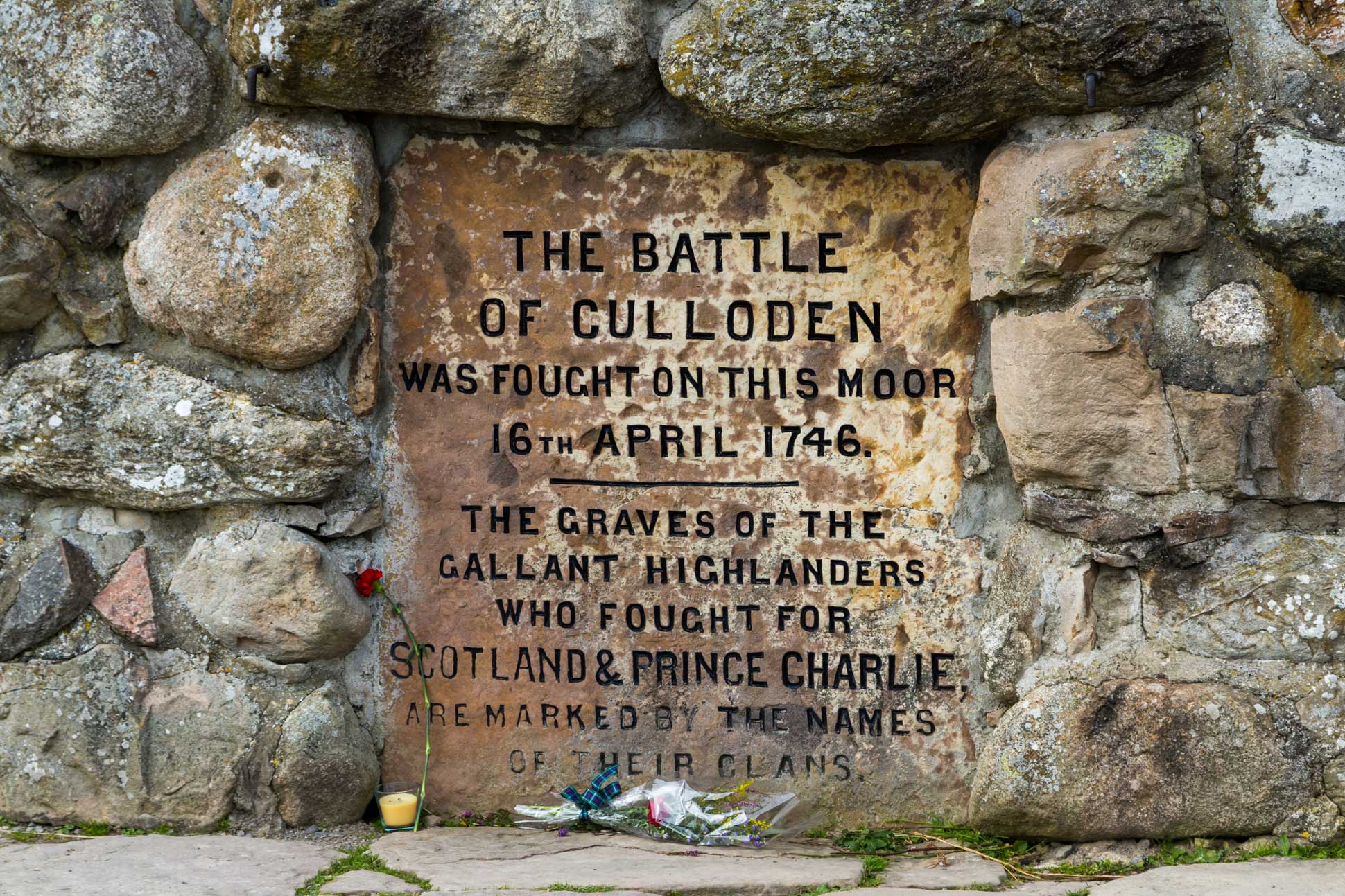
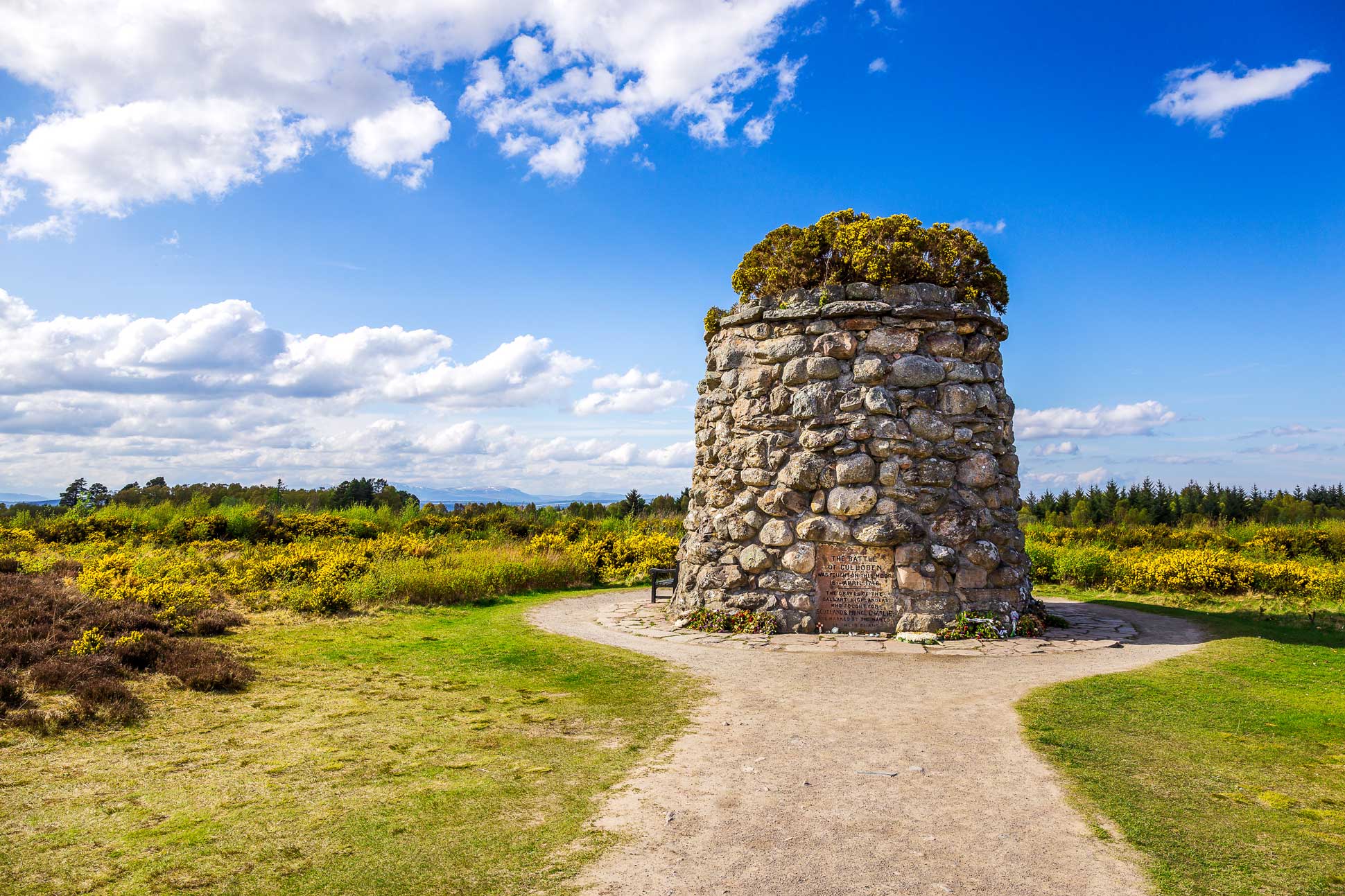
Travel east from Inverness to Culloden Moor — the windswept, treeless battlefield where, on the morning of 16 April 1746, the last pitched battle ever fought on British soil was decided in under sixty minutes. Here, the exhausted, hungry, and outnumbered Jacobite army of Prince Charles Edward Stuart — Bonnie Prince Charlie — was shattered by the Duke of Cumberland’s well-drilled government forces in a devastating defeat that ended not just the ’45 rising, but the entire Jacobite cause.
Walk among the clan grave markers — each bearing the name of a Highland family that left sons on this moor — and stand on the ground where the traditional Highland way of life effectively ended. The aftermath of Culloden brought brutal reprisals across the Highlands — the banning of tartan and the playing of bagpipes, the destruction of the clan system, and the beginning of the Highland Clearances that would empty the glens of their people over the following century. The outstanding National Trust for Scotland visitor centre tells this full, devastating story with exceptional clarity and power.
For those who wish to follow the Culloden story to its military conclusion, Fort George is an extraordinary optional addition — built in direct response to the Jacobite threat in the aftermath of Culloden, and completed in 1769 as an overwhelming statement of British military power on the Moray Firth. The largest and most complete 18th-century fortress in the United Kingdom, Fort George remains an active British Army barracks to this day — a remarkable living piece of military history housing the Highlanders’ Museum and a collection of weapons and artefacts that brings the post-Culloden era vividly to life.
Begin the return journey south through the magnificent Cairngorm National Park — the largest national park in the United Kingdom, covering 4,528 square kilometres of ancient mountain plateau, Caledonian pine forest, and sweeping Highland glens. Pass through Aviemore and along the broad valley of Strathspey, with the high Cairngorm plateau stretching away to the east and the Monadhliath Mountains rising to the west — a landscape of extraordinary scale and ancient beauty that provides a fitting and contemplative final chapter to two extraordinary days in the Highlands.
Stop as the mood takes you — for photographs, refreshments, or simply to stand in the Highland air and let the journey settle — before descending through Perthshire and across the iconic Forth Bridges for the final approach home to Edinburgh or Stirling.
Ready to experience the very best of Scotland on your own terms? Tell us when you’d like to travel, how many are in your party, and where you’d like your journey to begin. We’ll check availability for your preferred dates and craft a bespoke multi-day itinerary shaped around your interests, pace, and must‑see places. Share a few details below and our expert driver‑guide will be in touch with a personalised proposal, pricing, and suggestions to make your time in Scotland unforgettable.
Max 6 persons
Max 5 suitcases
We look forward to welcoming you to Scotland — personally.