The Fife Coast, St Andrews & Royal Deeside
2-Day Private Tour from Edinburgh, Glasgow or Stirling
Max 6 persons
Max 5 suitcases
Prices from £650 per day for a group of six persons. T&Cs apply.
Travelling with a larger group? Get in touch2-Day Private Tour from Edinburgh, Glasgow or Stirling
Max 6 persons
Max 5 suitcases
Prices from £650 per day for a group of six persons. T&Cs apply.
Travelling with a larger group? Get in touchThis beautifully contrasting two-day private tour explores two of Scotland’s most distinctive and rewarding regions — the ancient Kingdom of Fife with its remarkable coastline of fishing villages, royal burghs, and Cold War secrets, and Royal Deeside, the valley of the River Dee that has captured the hearts of the British Royal Family for nearly two centuries.
Day One follows the Fife Coastal Route — one of Scotland’s finest scenic drives — through a string of perfectly preserved medieval fishing villages whose harbours, cobbled streets, and painted cottages have barely changed in centuries. Along the way, you can descend into Scotland’s Secret Underground Nuclear Bunker, built during the Cold War to house the Scottish Government in the event of nuclear attack. The day culminates in St Andrews — Scotland’s oldest university town, the ecclesiastical capital of medieval Scotland, and the undisputed home of golf — before crossing the River Tay to Dundee and settling into the Victorian spa town of Pitlochry for the night.
Day Two enters Royal Deeside — the Cairngorm valley that Prince Albert purchased for Queen Victoria in 1852 and that has remained a cherished private sanctuary of the British Royal Family ever since. Cross the high mountain pass of Glenshee, discover the beautiful villages and whisky heritage of the Dee valley, and visit the clifftop fortress of Dunnottar Castle — one of the most dramatically situated castles in Europe — before the scenic return south. Two days of Scotland at its most varied, most regal, and most rewarding.
Approximately 9 hours | Departing Edinburgh, Glasgow or Stirling | Overnight: Pitlochry
Depart from your accommodation and cross the River Forth — over the iconic road bridge with its famous trio of crossings — into the ancient Kingdom of Fife. This was once an independent Scottish kingdom, and even today its residents refer to it simply as ‘the Kingdom’ — a quiet regional pride that speaks to Fife’s deep sense of its own distinct identity and history. Today you will trace the most beautiful stretch of its coastline, uncover one of Scotland’s most extraordinary Cold War secrets, and arrive in a town whose name is known on every continent on earth.
Guests departing from Glasgow or Stirling cross the Forth and make their first stop in Culross — one of the most perfectly preserved medieval burghs in Scotland and a town that feels genuinely suspended in time. Its cobbled streets, crow-stepped gabled townhouses, and the magnificent Culross Palace — built for a wealthy local merchant between 1597 and 1611 and painted in warm ochre above the Forth — make it one of the most photogenic and atmospheric small towns in the country. Outlander fans will recognise it immediately as the village of Cranesmuir, Claire’s first destination in 18th-century Scotland.
Guests departing from Edinburgh cross the Forth to North Queensferry — where the iconic Forth Rail Bridge can be experienced from sea level in a way that reveals the true, breathtaking scale of this Victorian engineering masterpiece. Standing beneath its 53,000 tonnes of steel, watching the cantilever spans rise 110 metres overhead, is one of those genuinely humbling experiences that puts the ambition and achievement of the Victorian era into vivid perspective.
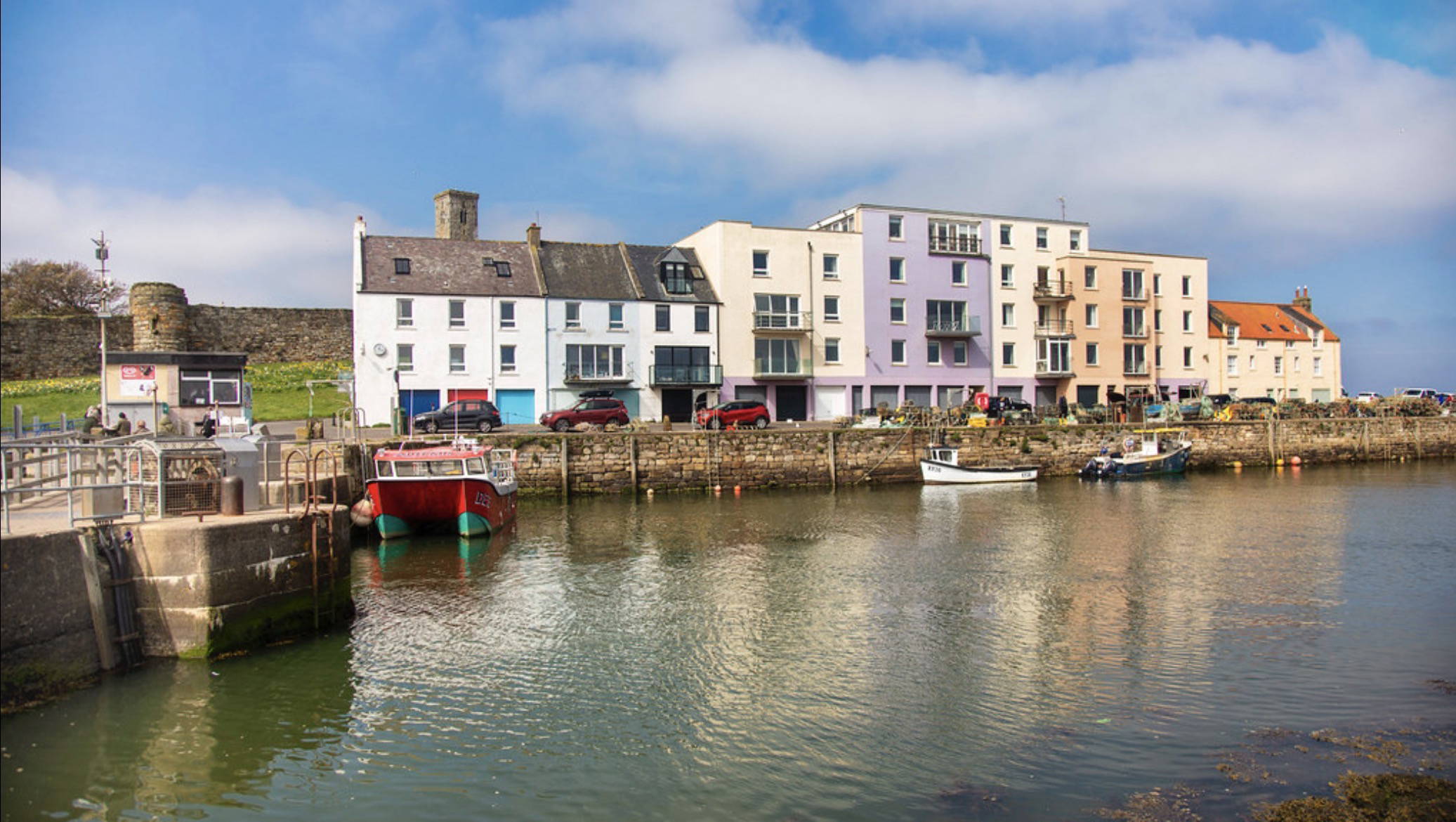
Travel east along the Fife Coastal Route — one of Scotland’s finest scenic drives — through a succession of ancient fishing villages whose harbours and cobbled streets have remained virtually unchanged since the 17th and 18th centuries. Each village has its own distinct character and charm:
Elie, with its curving sandy beach and elegant Georgian architecture, is one of Fife’s most fashionable and beloved seaside towns — a place where the East Neuk’s particular combination of sea air, stone, and sky feels most keenly. St Monans, wedged dramatically between its ancient church and the sea, boasts one of the most photogenic harbours in Scotland and a medieval church so close to the water that the tides once lapped at its walls. Pittenweem — still an active working fishing harbour where lobster boats unload their catch on the quayside — is one of the few places in Scotland where the traditional fishing industry remains genuinely alive. Anstruther, home to the outstanding Scottish Fisheries Museum and the finest fish and chips in Scotland, is the informal capital of the East Neuk and a destination in its own right. Crail, perhaps the most photographed village on the entire Fife coast, has a harbour of such extraordinary charm — its honey-coloured stone buildings clustered above a tiny tidal pool — that it has drawn artists and painters for centuries.
Near Crail lies one of Scotland’s most extraordinary and unexpected attractions — Scotland’s Secret Bunker, a vast underground nuclear command centre buried 30 metres beneath an ordinary-looking farmhouse and hidden from public knowledge throughout the entire Cold War. Built in the 1950s as the Regional Seat of Government for Scotland, this remarkable facility — with its 3-metre thick concrete walls, operations rooms, communications centre, dormitories, and BBC broadcasting studio — was designed to house 300 government officials and military personnel for up to three months in the event of a nuclear strike on Britain.
Decommissioned in 1993 and opened to the public, the bunker is now one of Scotland’s most genuinely surprising and thought-provoking visitor attractions — a perfectly preserved time capsule of Cold War anxiety, government secrecy, and the extraordinary lengths taken to ensure Scotland’s administration would survive a nuclear war. A deeply fascinating and slightly unsettling experience that very few visitors to Scotland ever discover.
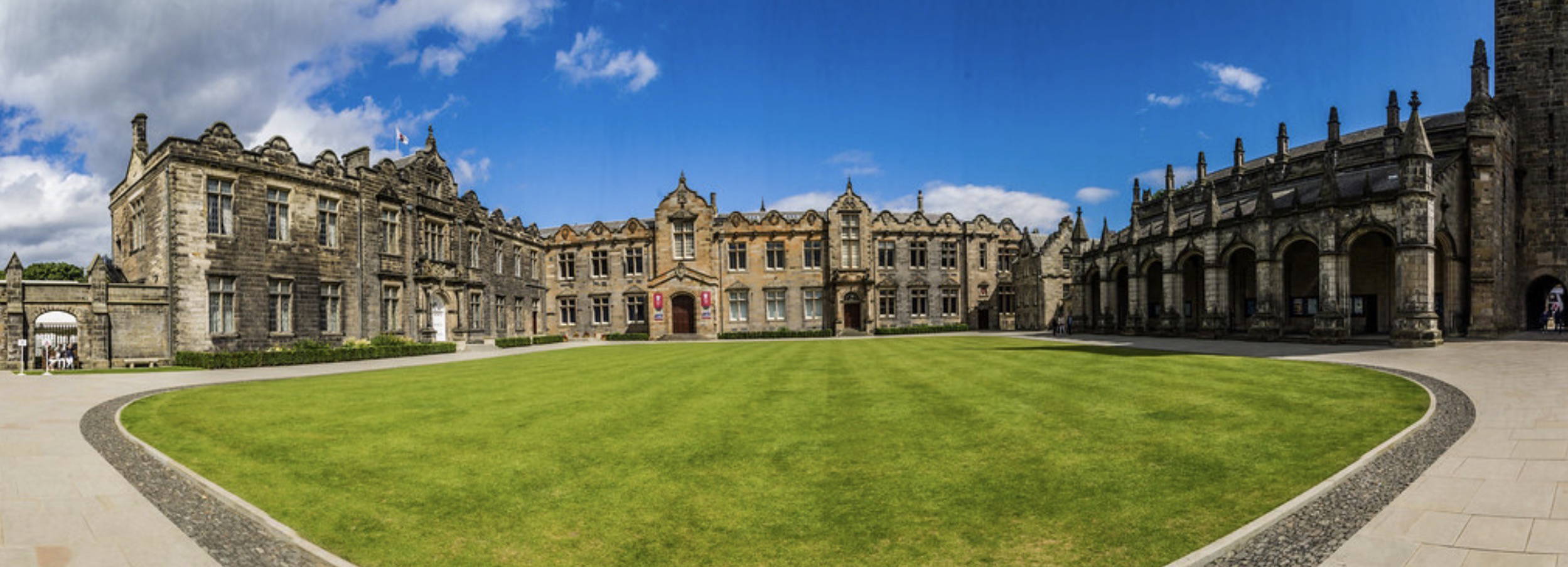
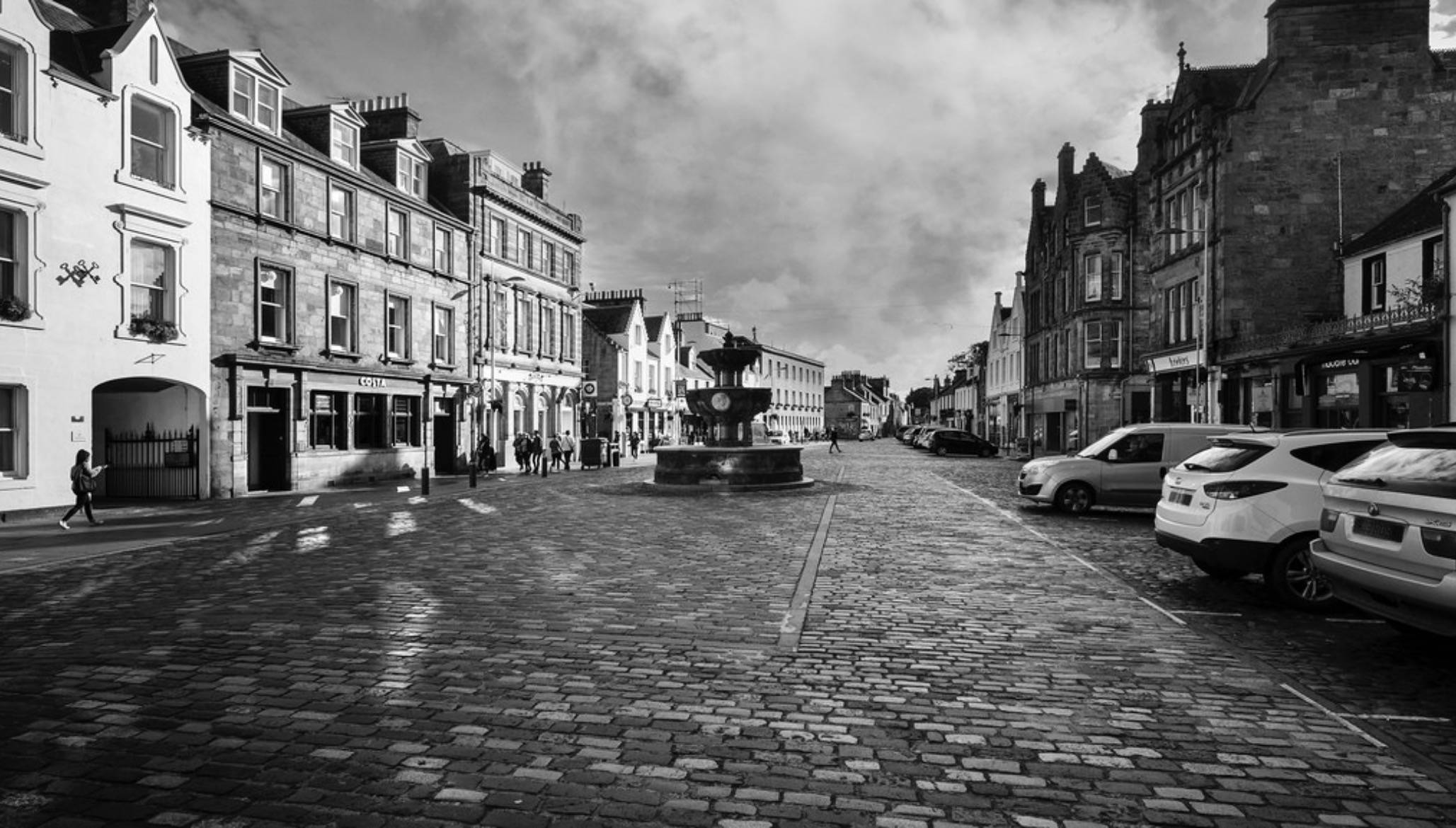
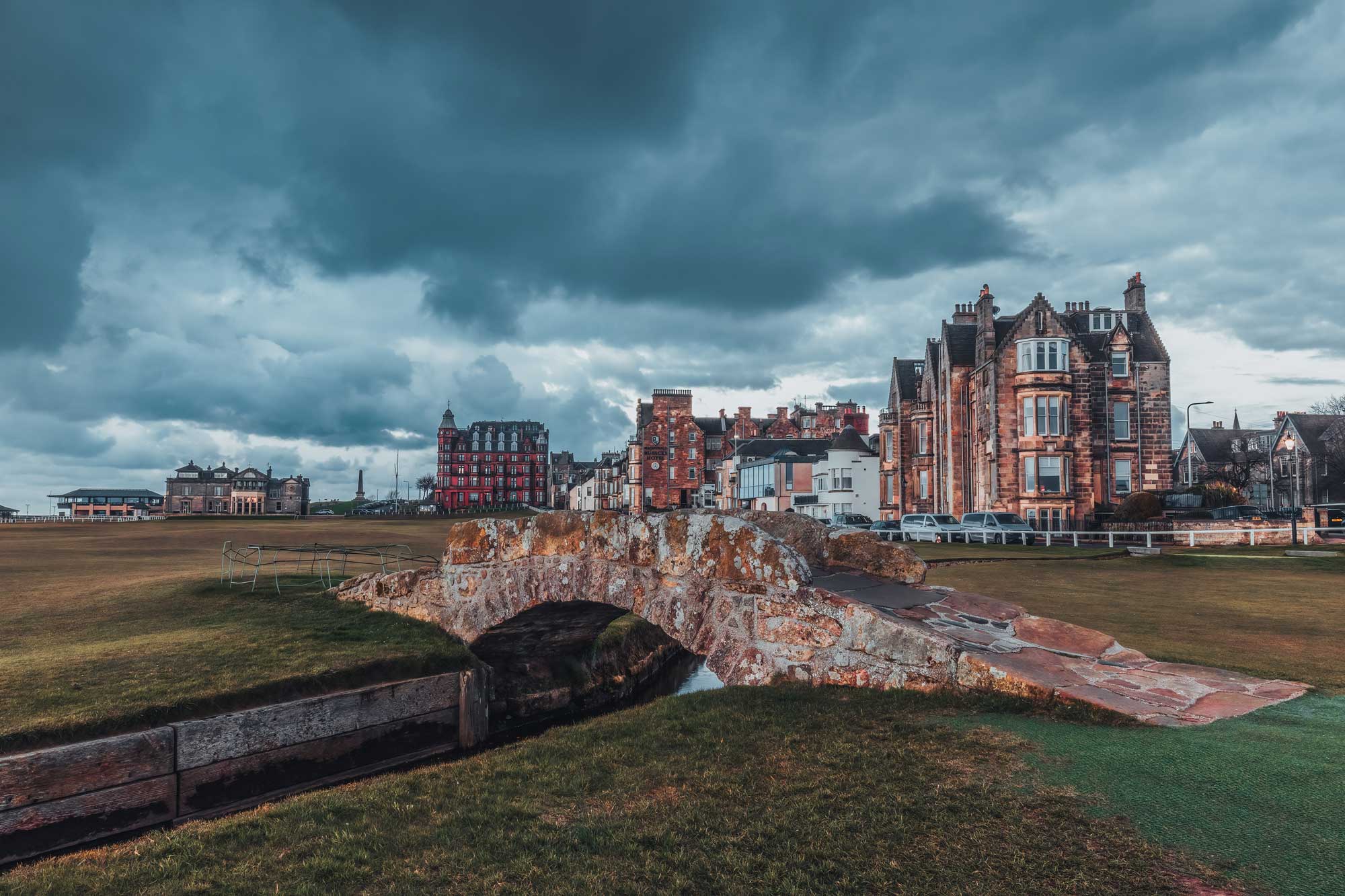
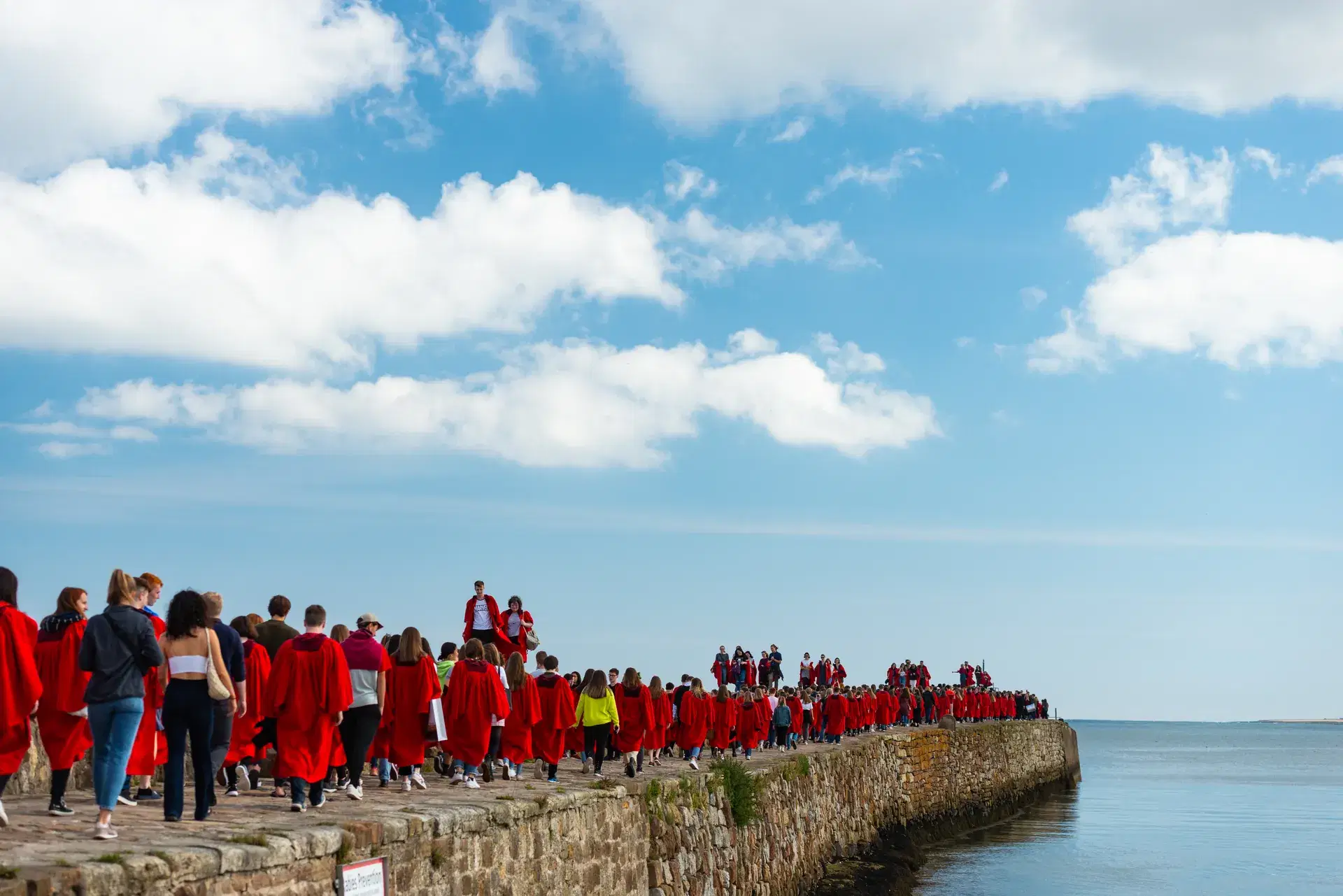
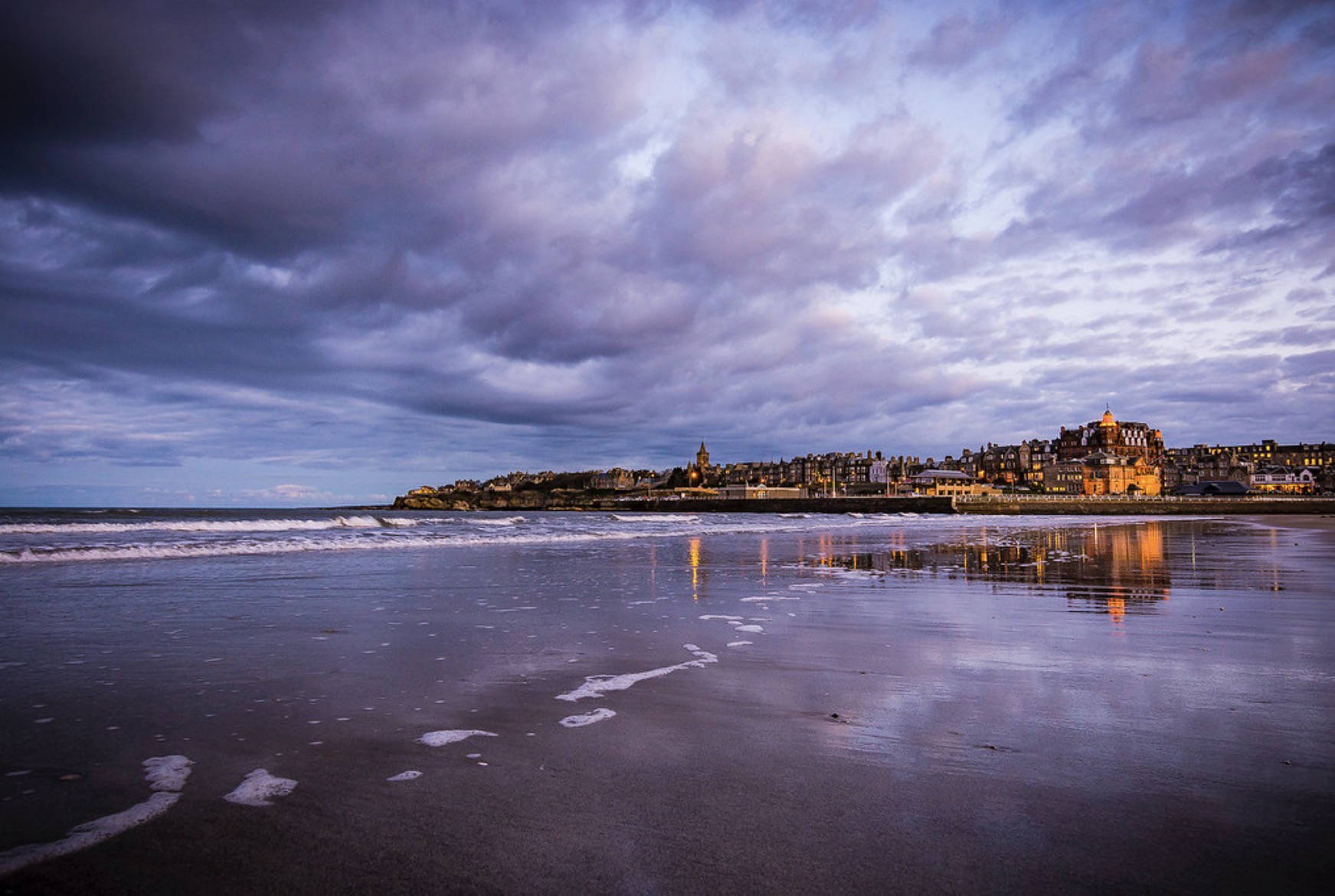
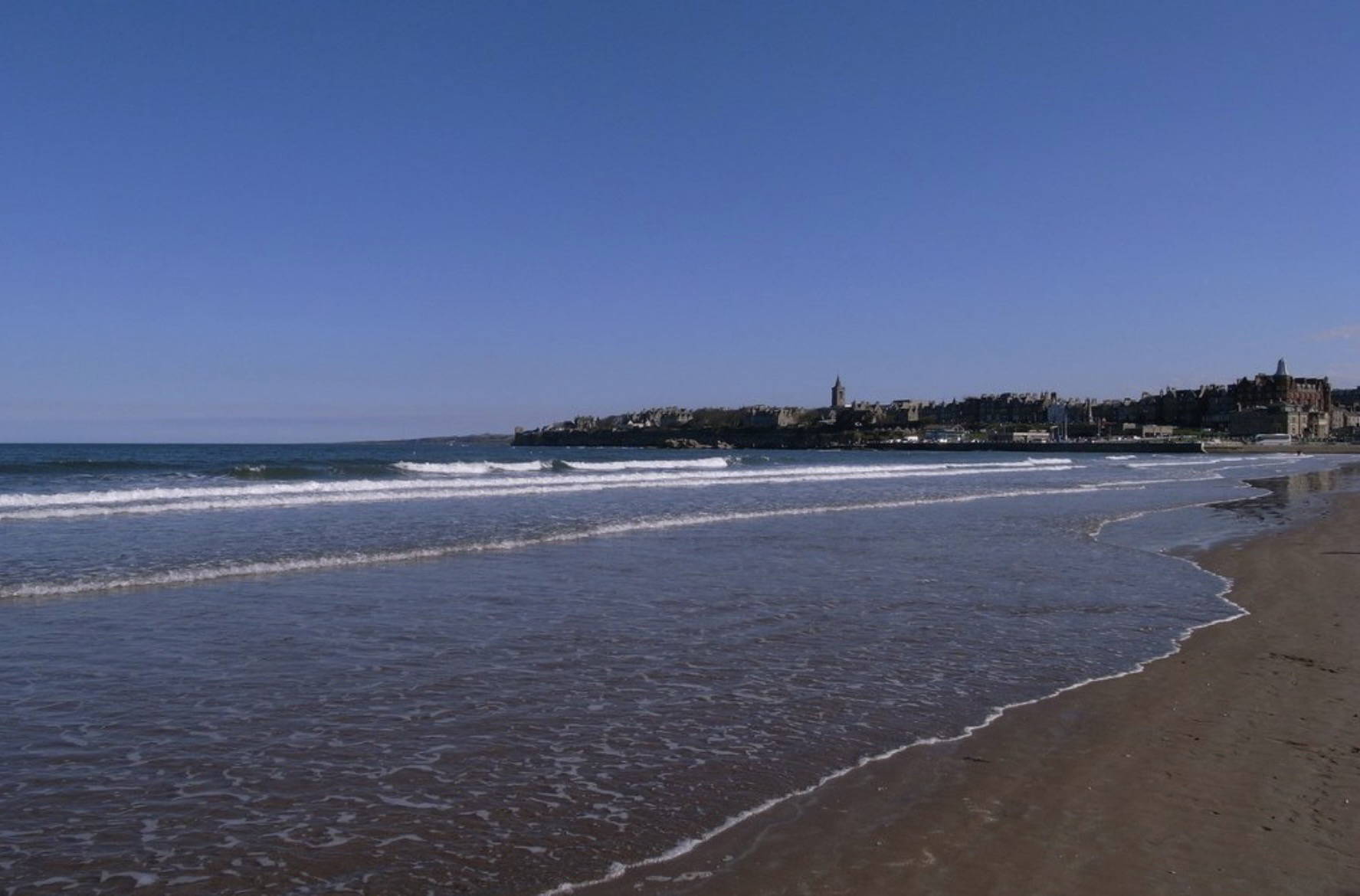
Arrive in St Andrews for lunch — a town of such concentrated historical, cultural, and sporting significance that it stands entirely in a category of its own. Founded in the 9th century around the relics of Saint Andrew, patron saint of Scotland, it became the ecclesiastical capital of medieval Scotland and site of the country’s oldest university, founded in 1413 — making it the third-oldest university in the English-speaking world, its ancient quadrangles and cobbled streets deeply reminiscent of Oxford and Cambridge.
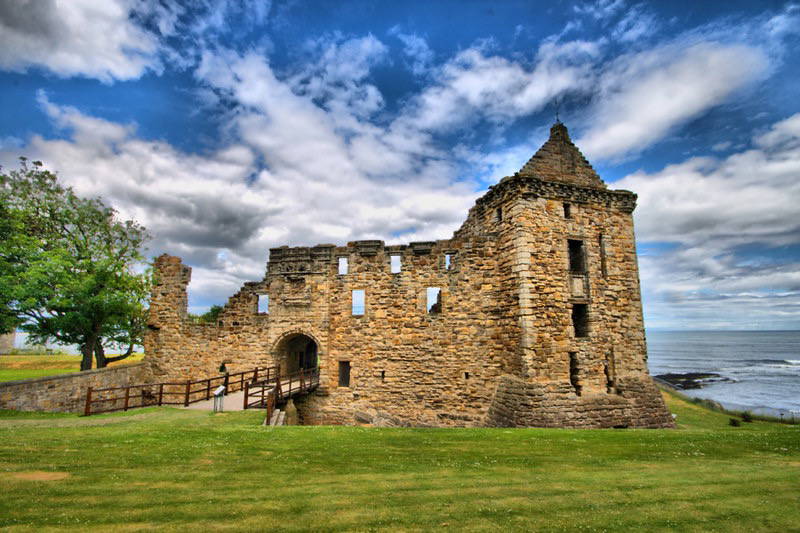
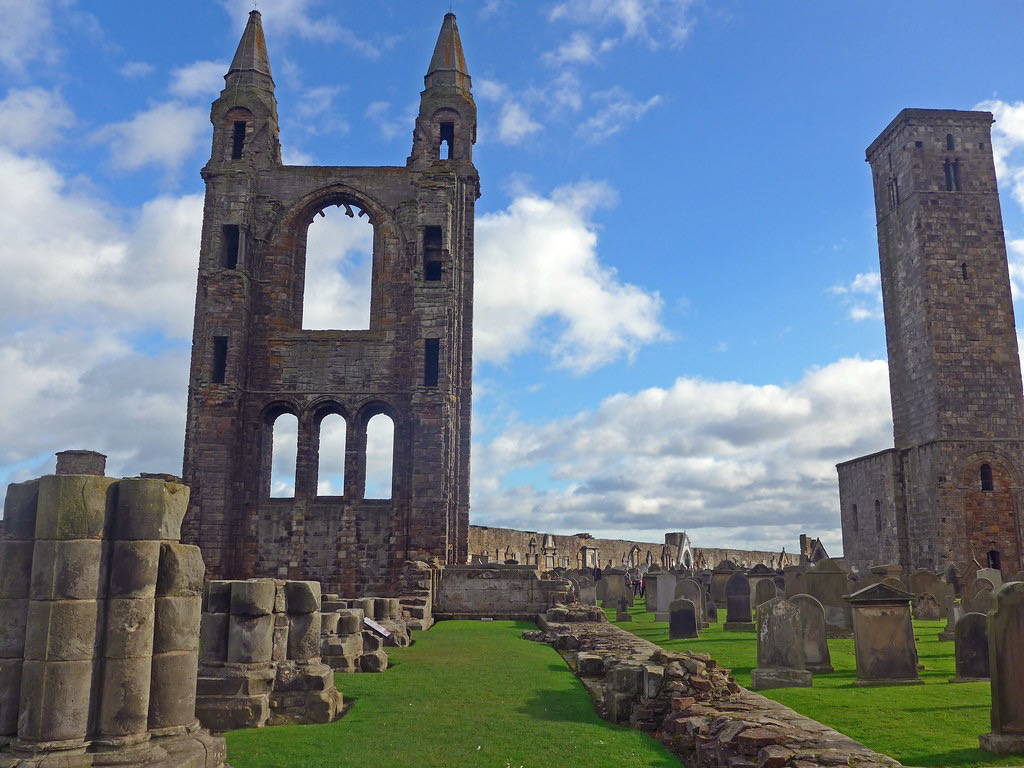
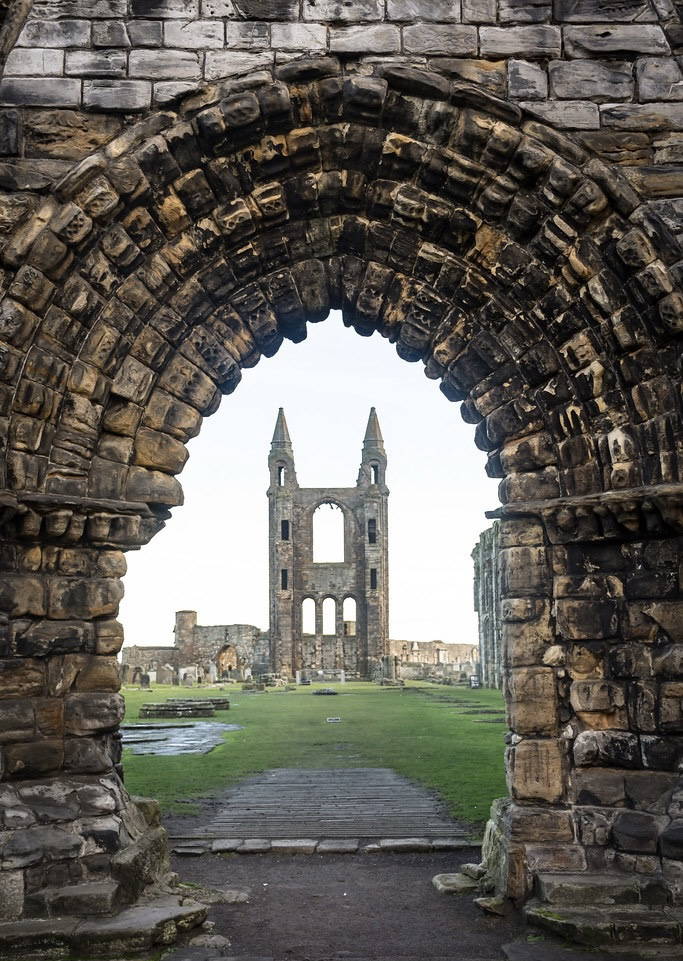
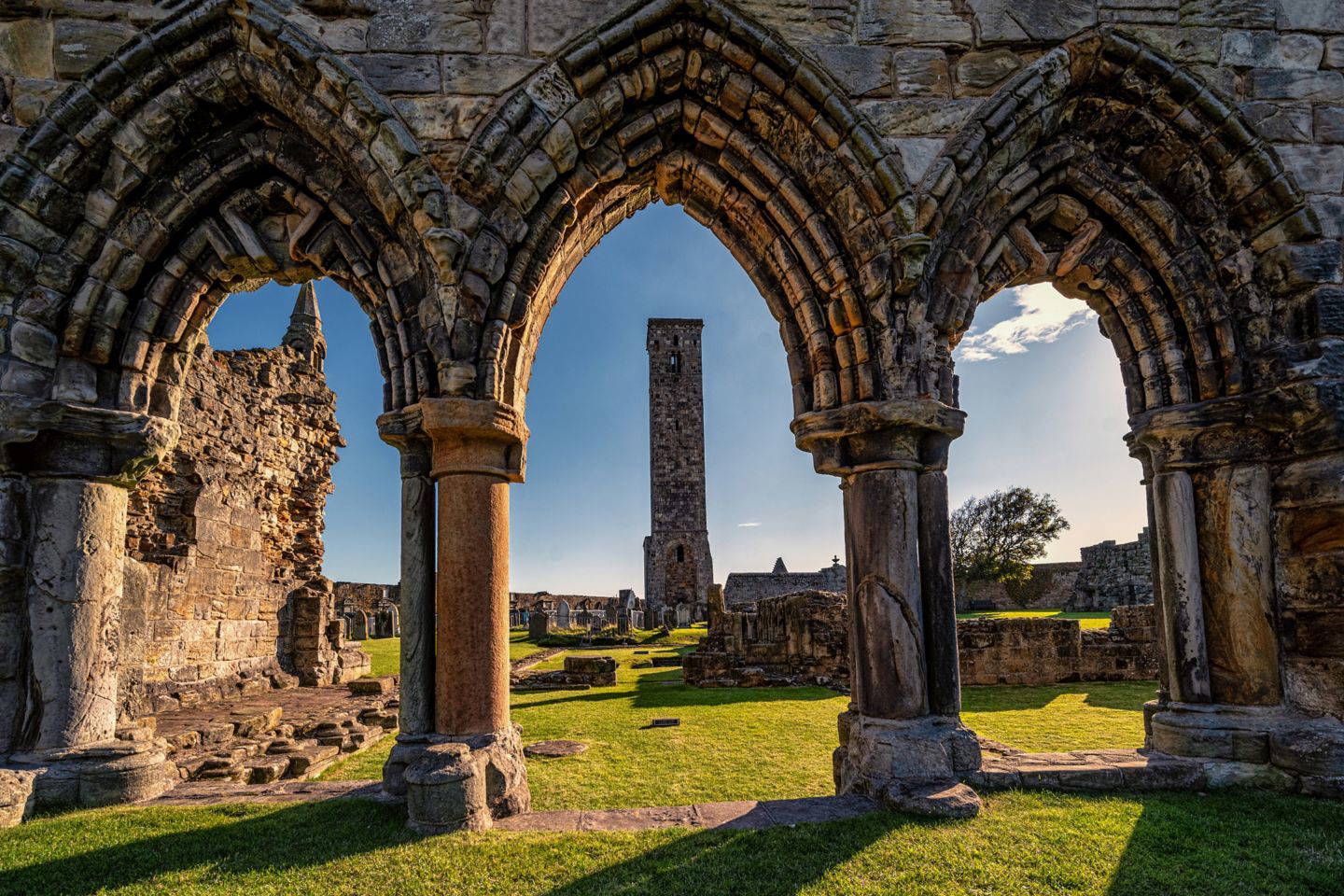
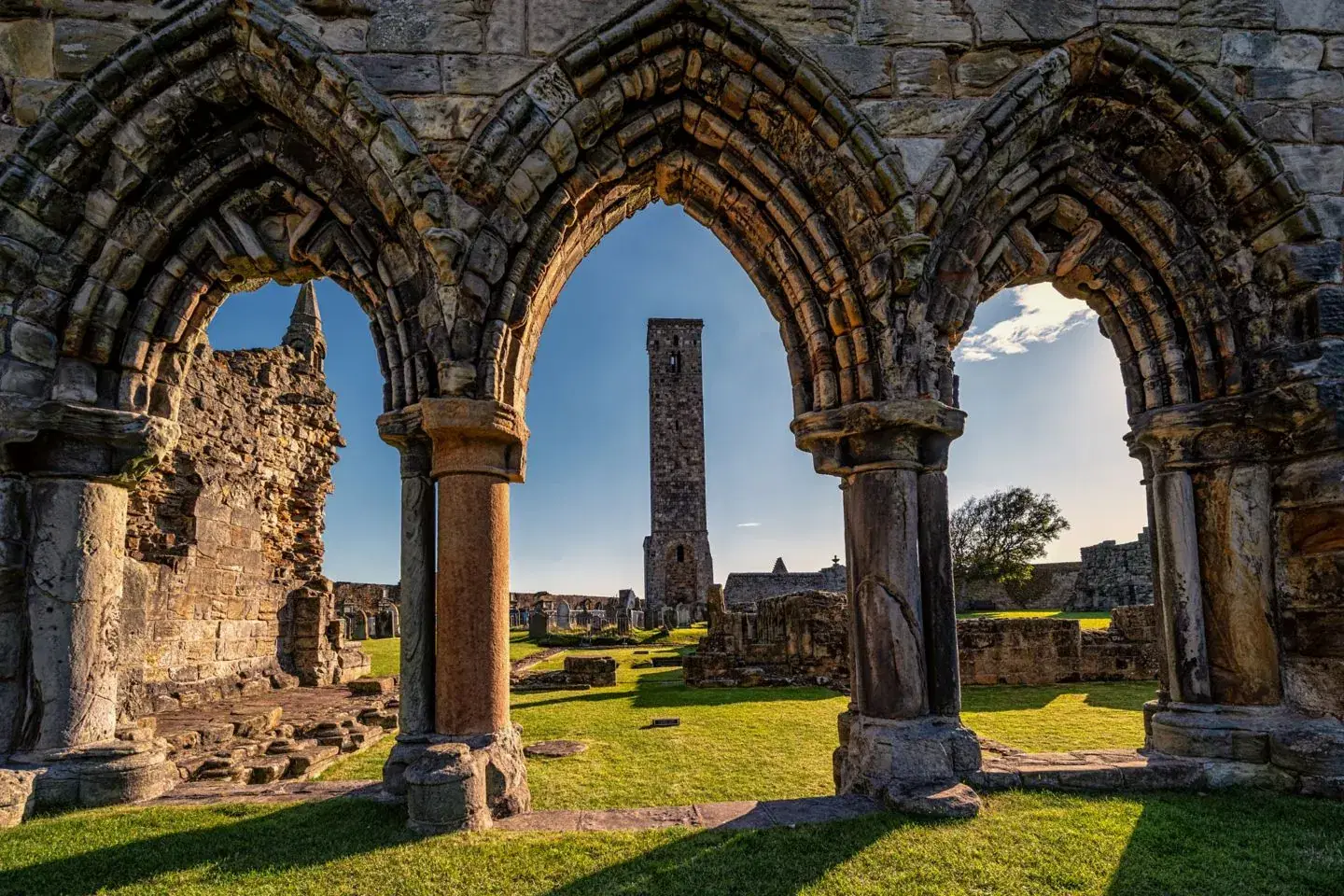
St Andrews Cathedral — once the largest and most magnificent church in Scotland, its 12th-century ruins still soaring above the town and the sea — was the destination of the greatest pilgrimage route in medieval Scotland. St Andrews Castle, perched on the clifftop above the North Sea, holds some of the most dramatic and grisly tales in Scottish Reformation history, including its notorious bottle dungeon — a pit carved into the rock from which no prisoner ever escaped unaided.
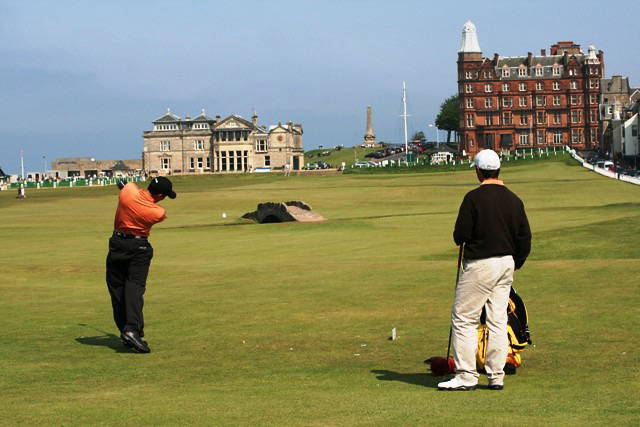
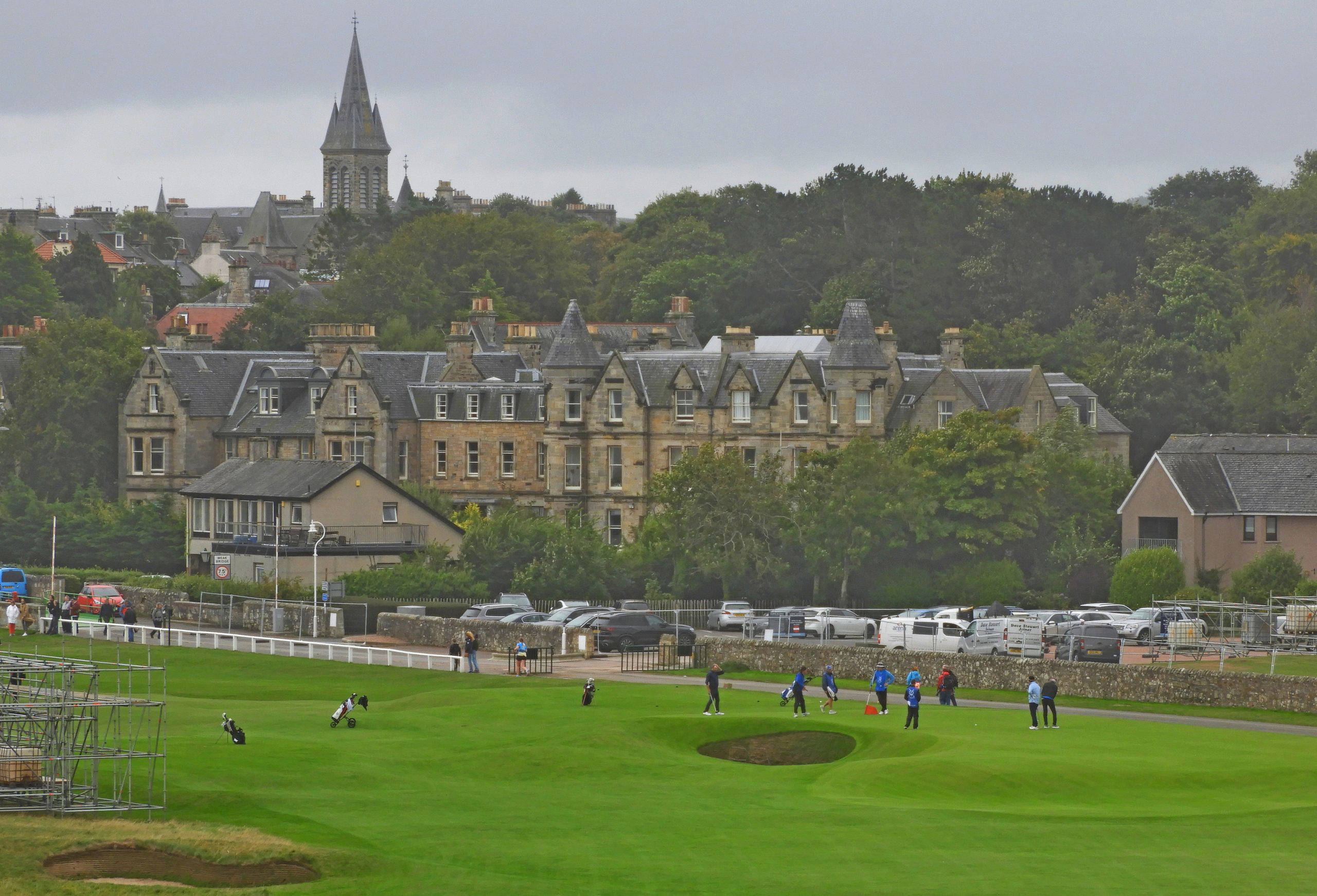
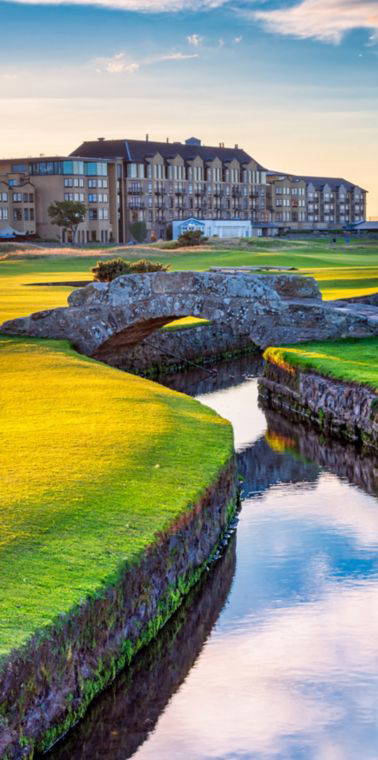
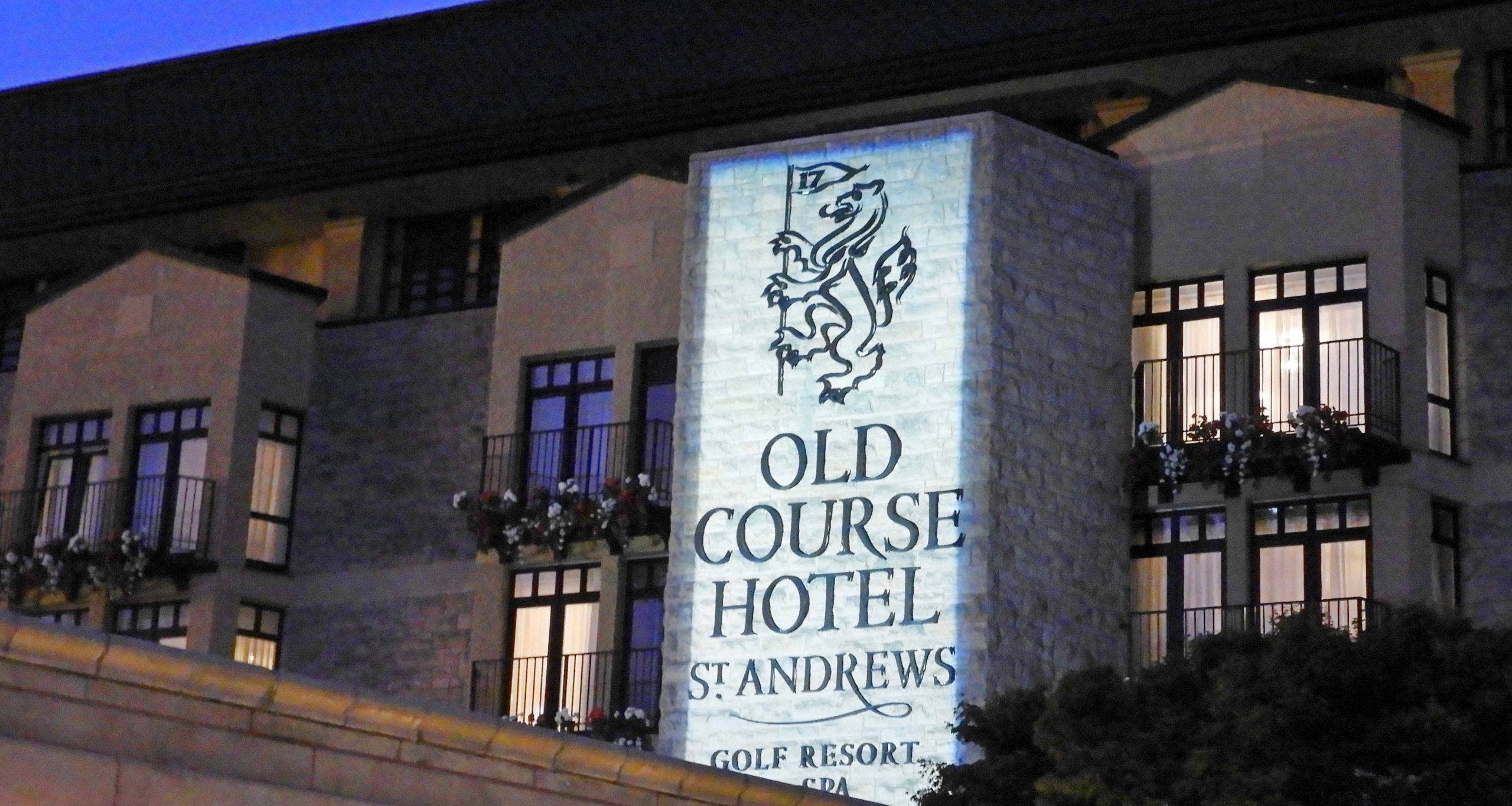
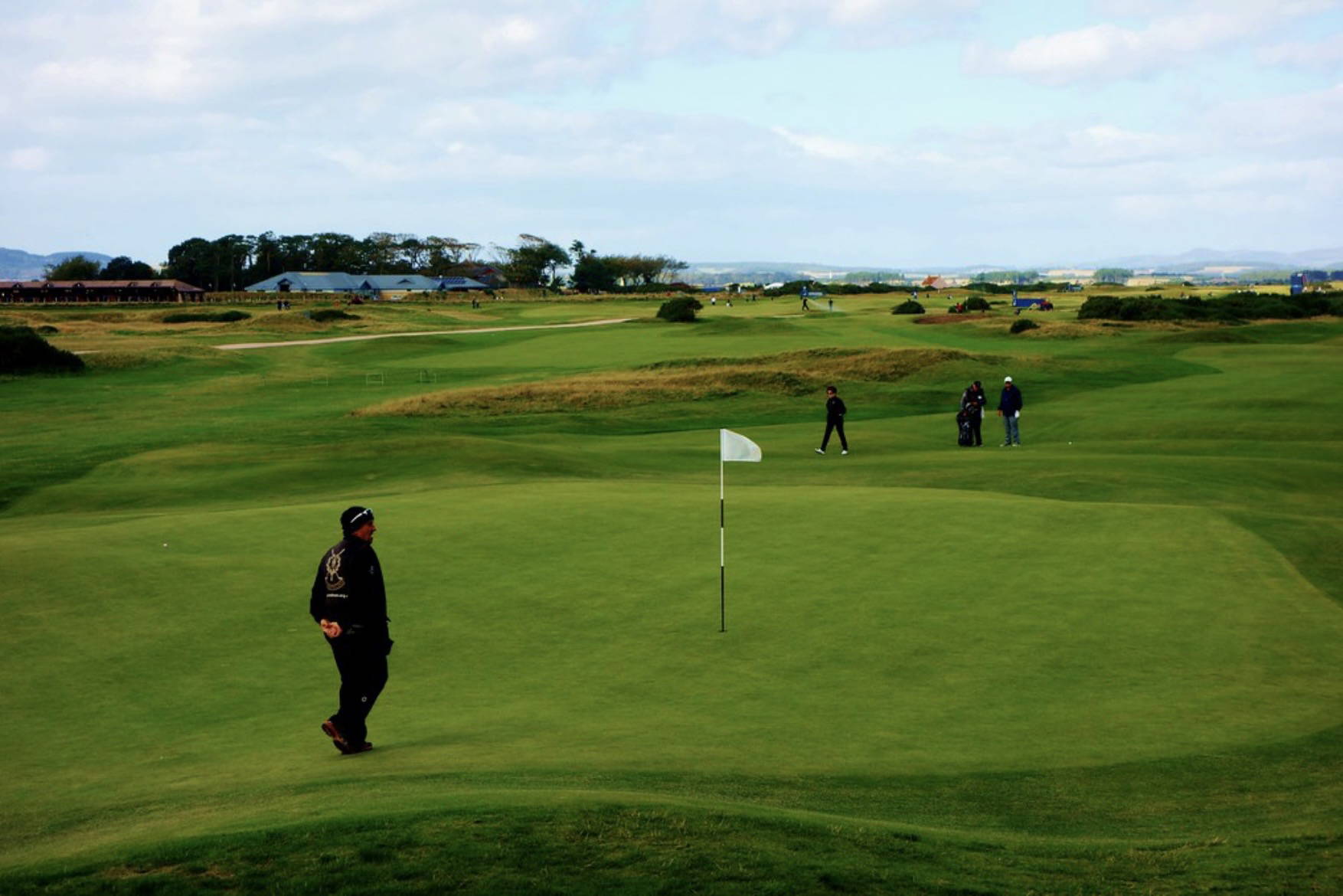
And then there is golf. The Old Course at St Andrews is the oldest and most revered golf course in the world — a links laid out on a narrow strip of common land between the town and the sea, where the game has been played continuously since the 15th century. Stand on the Swilcan Bridge — the ancient stone crossing that Tiger Woods, Jack Nicklaus, Arnold Palmer, and every great champion of the modern era has walked — and understand why golfers from every corner of the world travel to this small Scottish town to pay their respects to the game’s birthplace. The R&A Clubhouse, overlooking the 18th green, is one of the most recognisable buildings in world sport.
Cross the River Tay into Dundee — Scotland’s fourth city and one of the country’s most remarkable urban transformations of the past decade. The waterfront V&A Dundee — Scotland’s first design museum, housed in a building by the Japanese architect Kengo Kuma whose exterior mimics the cliffs of the Scottish coast — has become one of Scotland’s most striking architectural landmarks since its opening in 2018. Dundee is also the home of the RRS Discovery — the polar research vessel in which Captain Robert Falcon Scott sailed for Antarctica in 1901, now permanently moored on the city’s regenerated waterfront.
Continue through Perthshire to Pitlochry for your overnight stay. This is a town that rewards those who venture beyond its main street: the rushing gorge of the Pass of Killiecrankie is minutes away, Edradour Distillery — Scotland’s smallest traditional distillery — is a short drive into the hills, and the Pitlochry Festival Theatre, set above the River Tummel, is one of Scotland’s finest repertory theatres. Dine well, rest deeply, and prepare for the mountains and royalty of Deeside tomorrow.
Approximately 10 hours | Departing Pitlochry | Returning to Edinburgh, Glasgow or Stirling
Depart Pitlochry and travel northeast through the high mountain landscapes of the southern Cairngorms — crossing the dramatic Pass of Glenshee at 665 metres, the highest point on any A-road in the United Kingdom — and descend into Royal Deeside: the long, sheltered valley of the River Dee that has been the summer sanctuary of the British Royal Family for nearly two centuries. This is a landscape of ancient Caledonian pinewoods, granite villages, whisky distilleries, and mountain views of extraordinary beauty — and at its heart, one of the most famous private estates in the world.
The journey into Deeside begins with a crossing of genuine Highland drama. The A93 over the Pass of Glenshee climbs to 665 metres — the highest main road in the United Kingdom — through a landscape of sweeping mountain moorland, ski runs, and vast Highland sky. In winter the pass can close entirely under heavy snowfall; in summer the views from the summit across the surrounding Cairngorm peaks are simply magnificent. This is the gateway to Royal Deeside, and it announces the valley below with appropriate grandeur.
Descend into Braemar — the highest village in the British Isles to have a post office, set amid the Cairngorm mountains at the top of the Dee valley. This is the home of the Braemar Gathering — the most famous Highland Games in the world, attended each September by the British Royal Family in a tradition that stretches back to the 11th century. The games — featuring caber tossing, hammer throwing, Highland dancing, and piping competitions — take place in the Princess Royal and Duke of Fife Memorial Park, watched by thousands of visitors from around the world and presided over by the monarch in person.
Travel east along the River Dee through a succession of beautiful granite villages — each one immaculate, unhurried, and steeped in the particular atmosphere of a valley that royalty has made its own. Crathie Kirk — the small parish church just outside the Balmoral estate gates, where the Royal Family worships when in residence — is open to visitors and holds memorials to members of the Royal Household. The churchyard contains graves connected to the estate stretching back to the Victorian era.
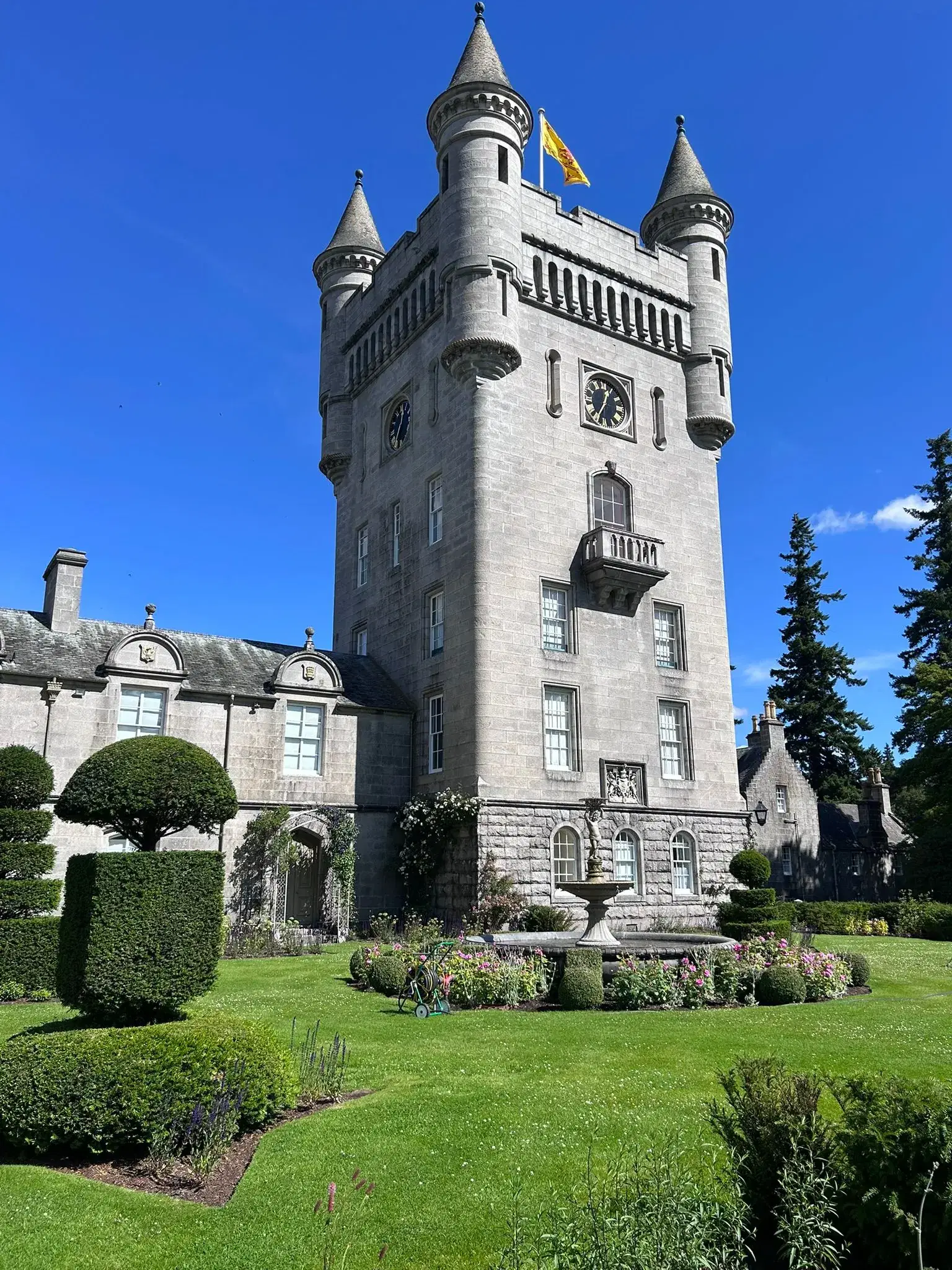
Balmoral Castle — purchased by Prince Albert in 1852 as a private retreat for Queen Victoria, who described Deeside as ‘this dear paradise’ — remains the personal property of the monarch and is open to visitors when the Royal Family is not in residence. The castle’s Scottish Baronial architecture, its famous tartan-and-thistle interiors designed by Prince Albert himself, and its position above the Dee with the Cairngorm mountains as a backdrop make it one of the most recognisable and beloved royal residences in the world.
Continue through Ballater — the handsome granite town that served as the Royal Family’s gateway to Balmoral for over a century, its shops proudly bearing the royal warrant — and Banchory, where the Dee runs fast and clear over its famous salmon pools.
One of Scotland’s smallest and most historically distinguished distilleries sits just above Balmoral on the slopes of Lochnagar — the mountain that towers over the Balmoral estate and whose name a young Prince Charles immortalised in his children’s book ‘The Old Man of Lochnagar’. Royal Lochnagar Distillery was founded in 1845 and received its Royal Warrant just three years later, when Queen Victoria and Prince Albert walked up from the castle to visit — making it one of the very few distilleries ever to hold a Royal Warrant. Its small-batch, hand-crafted single malt is among the most distinctive and sought-after in the Highlands.
Travel east to the coast and one of the most breathtaking castle sites in Europe — Dunnottar Castle, a ruined medieval fortress perched on a 160-foot sea stack of volcanic rock, entirely surrounded by the crashing North Sea on three sides and connected to the mainland by nothing more than a narrow clifftop path. The effect of first seeing Dunnottar from the clifftop above is simply extraordinary — a complete medieval fortress rising from the sea as though it grew from the rock itself, unchanged from the same view that Mary Queen of Scots saw when she visited in 1562.
Dunnottar’s history is as dramatic as its setting. The Honours of Scotland — the Scottish Crown Jewels — were smuggled out of the castle in 1652, hidden beneath a minister’s wife’s skirts to prevent their capture by Cromwell’s besieging army, and buried in the nearby church of Kinneff until the Restoration. A garrison of 167 Covenanters was imprisoned in the castle’s vaults in 1685 in conditions so horrific that the episode became known as the ‘Whigs’ Vault’ — a defining moment in Scotland’s religious persecution. Mel Gibson chose Dunnottar as the location for the climactic sequences of his 1990 film Hamlet. The castle earns every superlative.
Begin the return journey south through the Cairngorms and Perthshire, with the day’s extraordinary experiences — from royal estates and Highland whisky to a clifftop fortress above the North Sea — fresh in the mind as the Scottish landscape scrolls south towards Edinburgh, Glasgow, or Stirling. Stop as the mood takes you for a final photograph or a last dram before the Forth Bridges mark the journey’s end.
Ready to experience the very best of Scotland on your own terms? Tell us when you’d like to travel, how many are in your party, and where you’d like your journey to begin. We’ll check availability for your preferred dates and craft a bespoke multi-day itinerary shaped around your interests, pace, and must‑see places. Share a few details below and our expert driver‑guide will be in touch with a personalised proposal, pricing, and suggestions to make your time in Scotland unforgettable.
Max 6 persons
Max 5 suitcases
We look forward to welcoming you to Scotland — personally.