The Jacobite Trail
3-Day Private Tour from Edinburgh
Max 6 persons
Max 5 suitcases
Prices from £650 per day for a group of six persons. T&Cs apply.
Travelling with a larger group? Get in touch3-Day Private Tour from Edinburgh
Max 6 persons
Max 5 suitcases
Prices from £650 per day for a group of six persons. T&Cs apply.
Travelling with a larger group? Get in touchThe Story — An Overview
On 19 August 1745, a young Italian-born prince stood at the head of Loch Shiel in the Scottish Highlands and raised a silk standard in the name of his father, the man he believed to be the rightful King of Great Britain. The men who gathered around him that day — Highland clansmen whose loyalty to the House of Stuart had survived fifty years of defeat, exile, and disappointment — were embarking on one of the most audacious, most romantic, and most ultimately tragic military campaigns in European history. Within eight months it would be over, extinguished on a windswept moorland near Inverness in under an hour, and with it the Highland clan system that had made it possible.
The Jacobite cause — the movement to restore the Catholic Stuart dynasty to the throne of Great Britain after the Protestant William of Orange displaced James II in the Glorious Revolution of 1689 — inspired four armed uprisings over sixty years and shaped Scottish history, culture, and identity in ways that resonate to this day. It is a story of royalty, religion, and rebellion; of extraordinary personal courage and catastrophic political miscalculation; of a culture that was destroyed in the aftermath of its final defeat and has been mourned and romanticised ever since. It is also, thanks to Diana Gabaldon’s Outlander novels and the television series they inspired, the most visited chapter of Scottish history by international travellers — and deservedly so.
This three-day private tour follows the Jacobite story from its Edinburgh beginning to its Highland climax and its Lowland coda — visiting the palace where Bonnie Prince Charlie held court, the castles he occupied and besieged, the monument where it all began, the battlefield where it ended, and finally the Edinburgh pub where his officers drank on the eve of their greatest victory. Every step of the journey is guided by Johnny Dreczkowski MBE — honoured by His Majesty The King in June 2025, a proud Scot and professional driver-guide renowned for his storytelling, heritage knowledge, and warm Scottish hospitality — from the seamless comfort of your private new Mercedes V-Class Avantgarde.
👑 Day One — Edinburgh to Culloden: The Prince in his Palace & the Battle’s End
Approximately 9 hours | Edinburgh to Inverness | Overnight: Culloden House Hotel (Night 1)
Day One follows Bonnie Prince Charlie’s own journey in reverse — from the palace in Edinburgh where he held court in the autumn of 1745, north through Perthshire and the castle his forces occupied twice, to the moorland near Inverness where the campaign ended and the Scotland he fought for was lost forever. By nightfall you will be sleeping in the house where the Prince himself slept the night before that battle — a circumstance of historical intimacy that money cannot ordinarily buy.
👑 The Palace of Holyroodhouse – The Prince Holds Court
Begin at the Palace of Holyroodhouse — the official Scottish residence of His Majesty The King and the most historically layered royal building in Edinburgh. In September 1745, following the Jacobite army’s capture of Edinburgh, Bonnie Prince Charlie installed himself in the Duke of Hamilton’s apartments at Holyrood and held a brilliant, brief court — receiving Highland chiefs and Lowland supporters, hosting evening receptions in the Long Gallery hung with the portraits of his Stuart ancestors, and projecting for a few intoxicating weeks the image of a restored Stuart monarchy.
The reality was more precarious than the pageantry suggested. The castle above the city held out against him throughout his Edinburgh occupation; his army controlled the streets but not the fortress. Yet the Holyrood court of September 1745 was the closest the Jacobite cause ever came to the restoration it sought — and walking through these rooms with that knowledge gives the palace visit a resonance that its official history as a working royal residence alone cannot provide. The Long Gallery, the State Apartments, and the ruins of the Abbey of Holyrood — where the Stuart kings and queens lie buried — are all part of the experience.
🏰 Blair Castle – Occupied Twice, Besieged Once
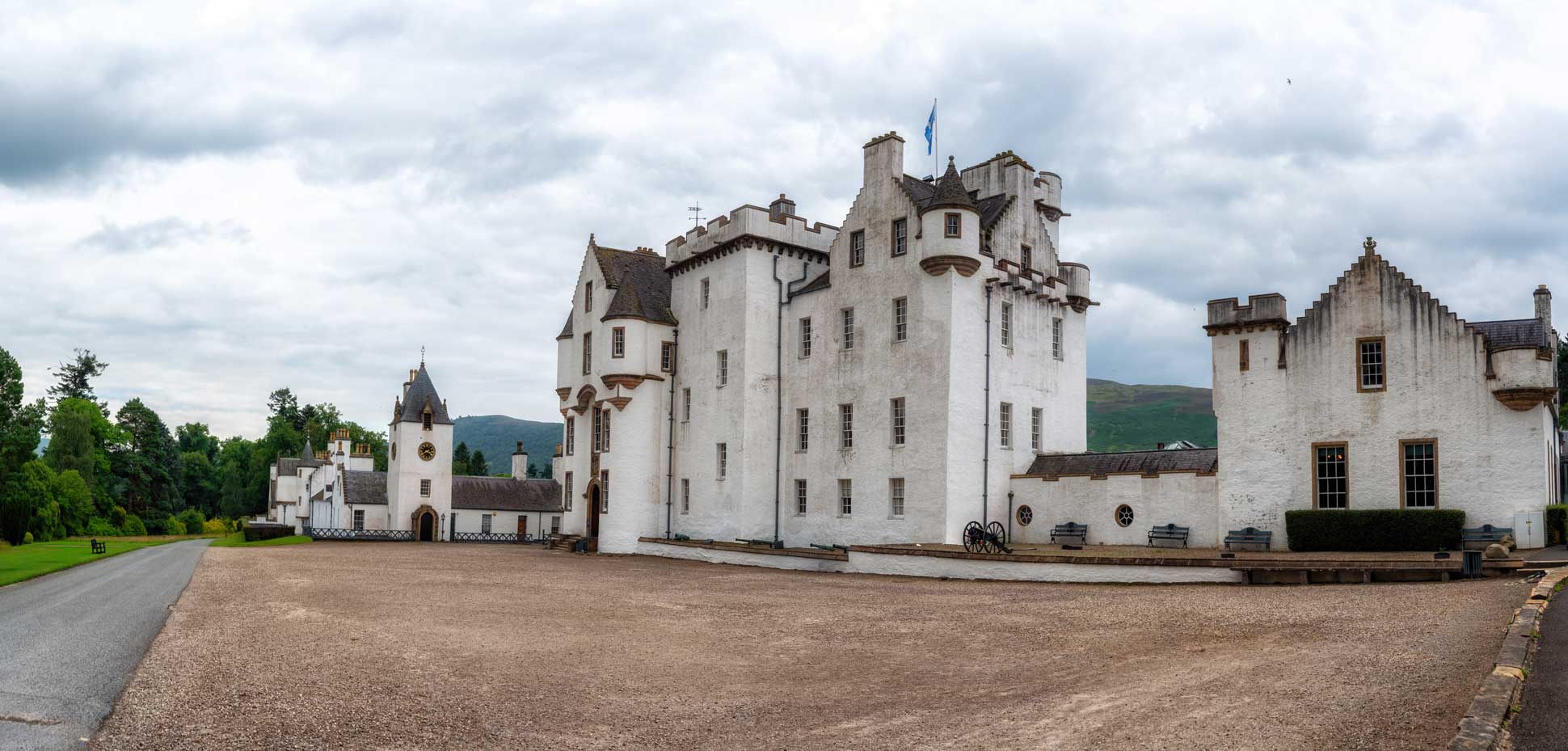
Drive north through Perthshire to Blair Castle — the gleaming white turreted seat of the Dukes of Atholl, occupied by Jacobite forces not once but twice during the uprisings: first in 1715 and again in 1745, when Lord George Murray — one of the most capable military commanders the Jacobite cause produced, and the younger brother of the then Duke of Atholl — used it as a base during the campaign. In a subsequent and extraordinary episode in 1746, the castle was besieged by Jacobite forces attempting to recapture it from government troops who had taken it over — making Blair Castle the last castle in the British Isles ever to have been besieged.
The castle’s 30 rooms span 700 years of Scottish history and are crammed with Jacobite relics, weapons, portraits, and the accumulated treasures of a dynasty that managed the remarkable feat of having members fighting on both sides of the conflict. The Duke of Atholl also holds the unique distinction of being the only British subject permitted to maintain a private army — the Atholl Highlanders, granted by Queen Victoria in 1844 — a military tradition that adds a particular flavour to a visit already steeped in martial history.
⚔️ Culloden Battlefield – The End of the Jacobite Cause
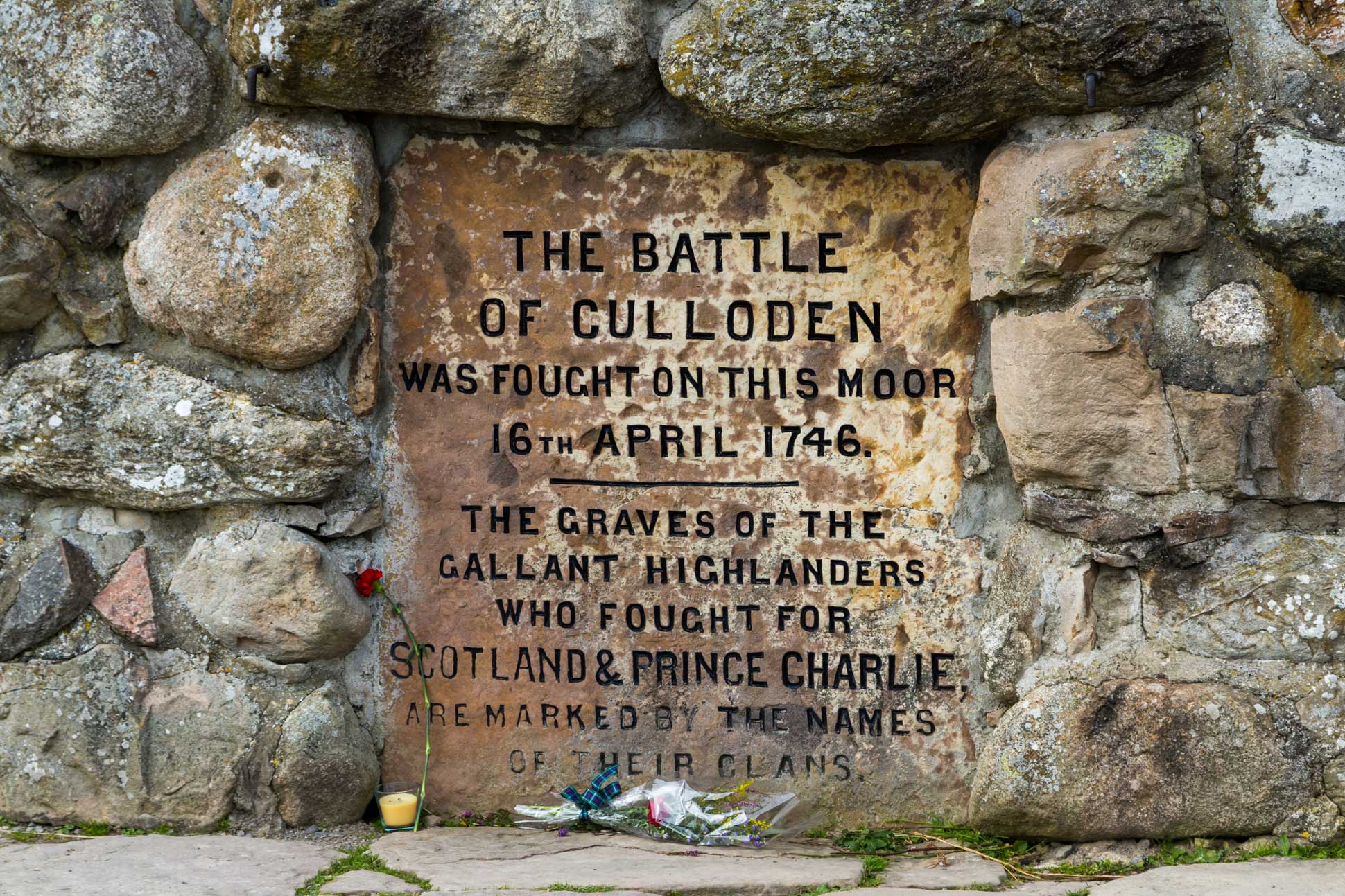
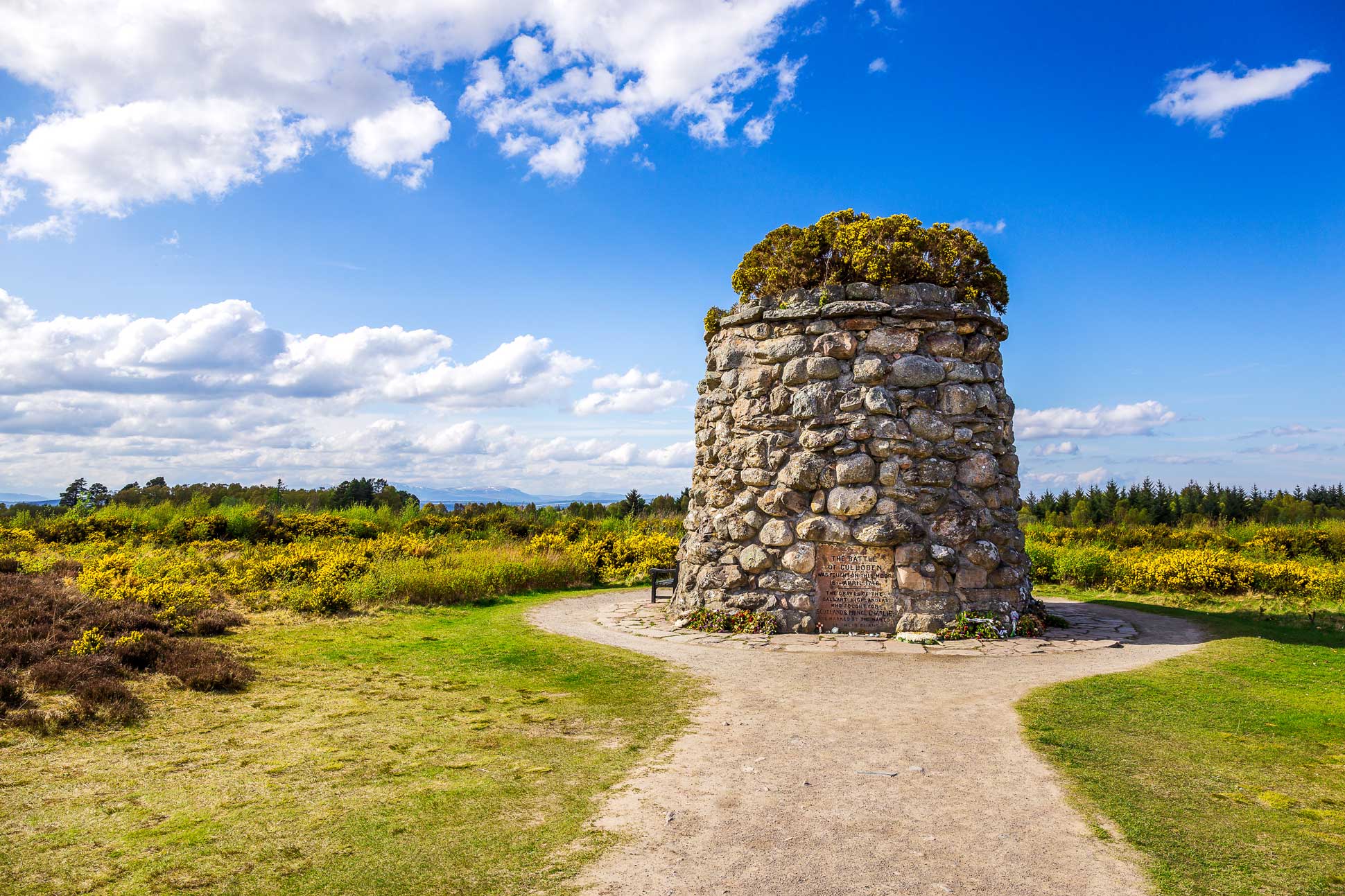
Continue north to Culloden Moor — where on 16 April 1746 the last pitched battle ever fought on British soil was decided in under sixty minutes and the Jacobite cause was extinguished permanently. The army that stood on this moor that morning was not the confident, victorious force that had swept through Edinburgh, defeated government troops at Prestonpans, and marched as far south as Derby before turning back. It was an army exhausted by a winter campaign, weakened by desertion, short of food, and led by a prince whose strategic instincts had deteriorated badly since the early triumphs of 1745.
Twelve hundred Jacobite dead lay on this moor by the time Cumberland’s army moved south. The survivors were hunted through the Highlands for months. The aftermath — the systematic destruction of Highland culture, the banning of tartan and bagpipes, the end of the clan system, the beginning of the Clearances — was more devastating than the battle itself. Walk among the clan grave markers, each bearing the name of a family that left sons on this ground, and visit the outstanding National Trust for Scotland visitor centre whose immersive exhibition tells the full story of the campaign, the battle, and its consequences with exceptional clarity and care.
🏨 Overnight at Culloden House Hotel – The Prince’s Last Headquarters
Arrive at Culloden House Hotel — the Georgian mansion standing on the grounds of the original house where Bonnie Prince Charlie spent the night of 15 April 1746, the eve of the battle, as his exhausted army camped on the moor a short distance away. The Duke of Cumberland is traditionally said to have taken up residence in the same house immediately after the battle — making this building the only place in Scotland that can claim to have housed both commanders within twenty-four hours of the defining engagement of the ’45. The current house, rebuilt in Georgian style in the 18th century, is now one of the finest country house hotels in the Highlands — its elegant rooms, excellent dining, and extraordinary historical context combining to produce an overnight experience of unusual depth and resonance.
🏴 Day Two — Fort George, Glenfinnan & Glencoe: Where It Began & Where It Was Betrayed
Approximately 10 hours | Inverness to Rannoch Moor via Fort George, Glenfinnan & Glencoe | Overnight: Kingshouse Hotel (Night 2)
Day Two travels from the government’s direct response to the Jacobite defeat — the most formidable artillery fortress in Britain, built to ensure no Highland uprising could ever threaten the state again — west to the precise spot where the last uprising began, and south through the glen where the most notorious act of treachery in Highland history unfolded fifty-three years before Culloden. The day ends on the vast, desolate expanse of Rannoch Moor — the landscape that swallowed the retreating Jacobite army and has retained its atmosphere of brooding, elemental remoteness ever since.
🏰 Fort George – The Government’s Answer to the Highlands
Depart Culloden House and drive east along the Moray Firth to Fort George — the most complete and most formidable 18th-century artillery fortress in Britain, begun in 1748 on a peninsula jutting into the Firth and completed in 1769 at a cost equivalent to hundreds of millions of pounds in today’s money. The government’s response to Culloden was not merely military victory but the permanent suppression of any future Highland threat — and Fort George was the physical embodiment of that determination: a fortress capable of housing a garrison of 2,000 soldiers, surrounded by defensive earthworks of such complexity and sophistication that it has never been attacked, let alone taken.
The great irony of Fort George is that by the time it was completed, the Highland threat it was built to counter had already been extinguished — not by military force but by the systematic destruction of clan culture through the Disarming Acts, the Dress Act banning tartan and Highland dress, and the Heritable Jurisdictions Act that stripped clan chiefs of their legal power over their tenants. The fortress stands today in virtually its original condition — the most completely preserved 18th-century military installation in the United Kingdom — and is still an active military base, home to elements of the Royal Regiment of Scotland. The barrack rooms, the Grand Magazine, the chapel, and the mile-long perimeter walk offer one of the most extraordinary military heritage experiences in Scotland.
🌊 Along the Great Glen – Loch Ness & Urquhart Castle
Travel west through Inverness and into the Great Glen — the vast natural fault line cutting Scotland diagonally from Inverness to Fort William, its chain of freshwater lochs connected by Thomas Telford’s Caledonian Canal. Pass along the northern shore of Loch Ness — 37 kilometres of the deepest, darkest loch in Scotland — and stop at Urquhart Castle for photographs and a brief account of its medieval history above the dark water. The Great Glen was the principal route of the Jacobite army’s movements between Inverness and the western Highlands during the ’45 campaign — these are roads, or rather the tracks that preceded them, that Bonnie Prince Charlie himself travelled.
🚂 Glenfinnan – Where the Standard Was Raised
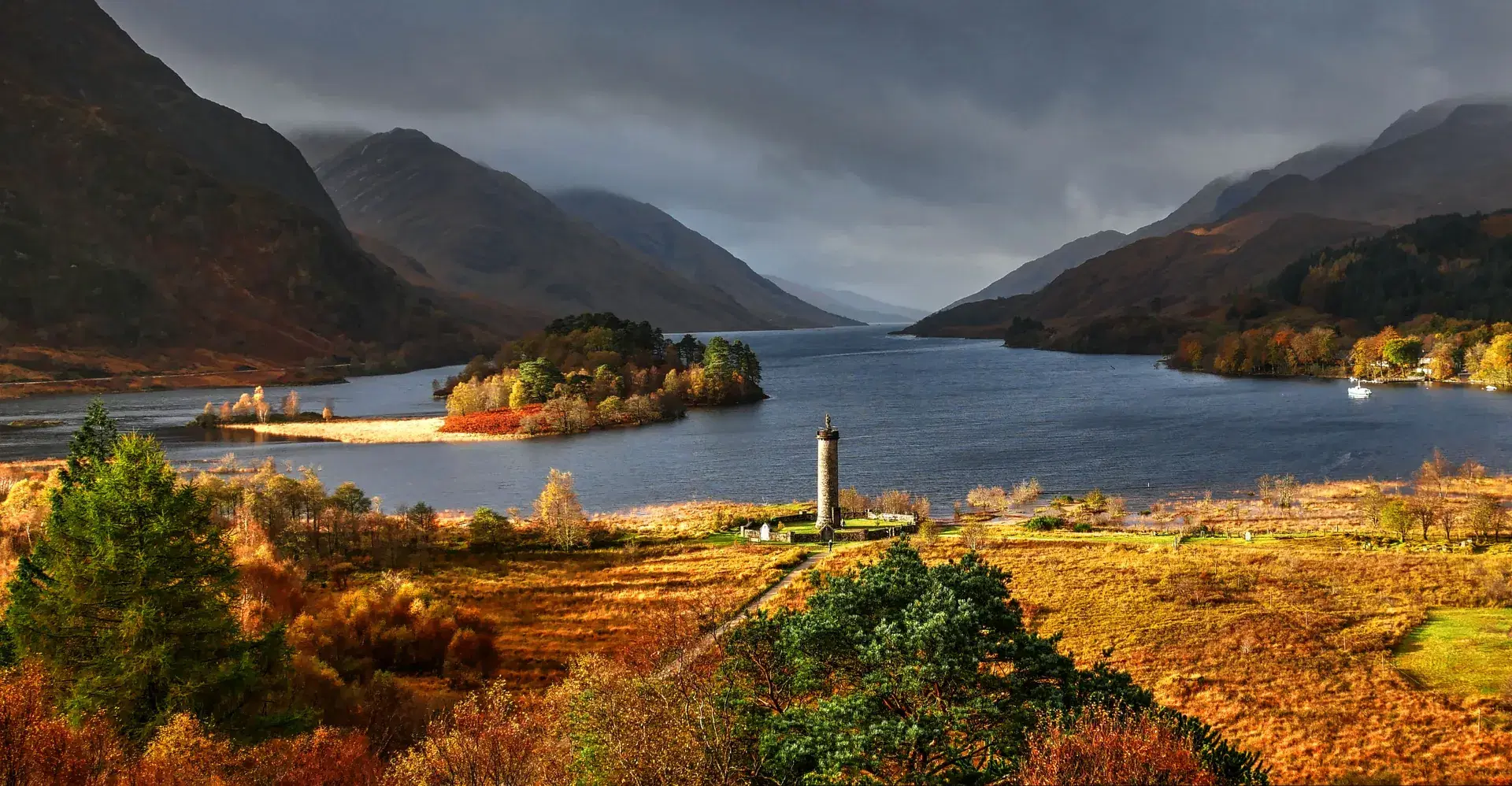
Continue west along the Road to the Isles to Glenfinnan — the most emotionally significant site on the entire Jacobite Trail, and one of the most beautiful locations in Scotland. At the head of Loch Shiel, on 19 August 1745, Bonnie Prince Charlie raised the Royal Standard of his father James Francis Edward Stuart — James VIII of Scotland and III of England in Jacobite reckoning — in the ceremony that formally began the third and final Jacobite Rising. The gathering of Highland clansmen that day was smaller than the Prince had hoped: the French military support he had been promised had not materialised, and several clan chiefs who had pledged support declined to commit. But the standard went up, the pipes played, and the army began its extraordinary march south.
The Glenfinnan Monument — a 60-foot tower topped by the figure of a Highlander, erected in 1815 by Alexander MacDonald of Glenaladale as a memorial to the clansmen who fought and died in the ’45 — stands at the lochside exactly where the ceremony took place. The internal staircase, accessible seasonally, leads to a viewing platform above the monument with a panorama down the full length of Loch Shiel that is among the most celebrated views in Scotland. The Glenfinnan Viaduct — the 21-arch railway viaduct that carries the West Highland Line across the valley above the monument — is familiar worldwide as the crossing of the Hogwarts Express in the Harry Potter films, a piece of cinematic geography that has brought a new generation of visitors to a place of pre-existing historical gravity.
🏔️ Glencoe – Betrayal, Massacre & the Jacobite Shadow
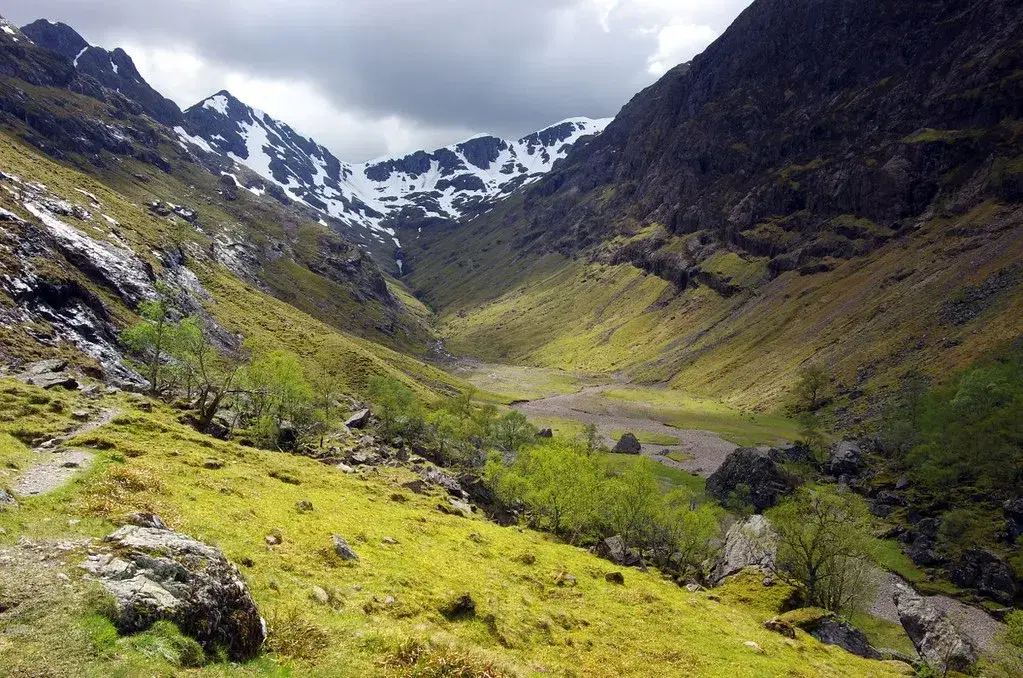
Drive south to Glencoe — where the mountains close in on every side and the valley carries a weight of history that pre-dates the Jacobite cause but is intimately connected to it. The Massacre of Glencoe on 13 February 1692 was a direct consequence of the political turbulence that followed the Glorious Revolution of 1689: the MacDonald clan chief had missed the deadline for swearing allegiance to King William III — through a combination of deliberate delay, administrative confusion, and the obstructionism of the local government official to whom he attempted to swear — and the government in Edinburgh seized on the failure as an opportunity to make a brutal example.
Government soldiers of Clan Campbell, having accepted twelve days of MacDonald hospitality — eating at their hosts’ tables, sleeping beneath their roofs, and accepting the full obligations of Highland guest-friendship — rose before dawn on government orders and murdered 38 sleeping members of the clan. The rest fled into a February blizzard; an estimated forty more died of exposure in the surrounding mountains. The massacre was not the largest atrocity of its era, but its particular horror — the deliberate violation of Highland hospitality, the killing of those who had trusted and fed you — gave it a weight in Scottish consciousness that it has never lost. Johnny tells the full story here, in the glen where it happened — the politics, the personalities, and the long shadow it cast over the relationship between the Highland clans and the government they were being asked to serve.
🌑 Overnight on Rannoch Moor – The Kingshouse Hotel
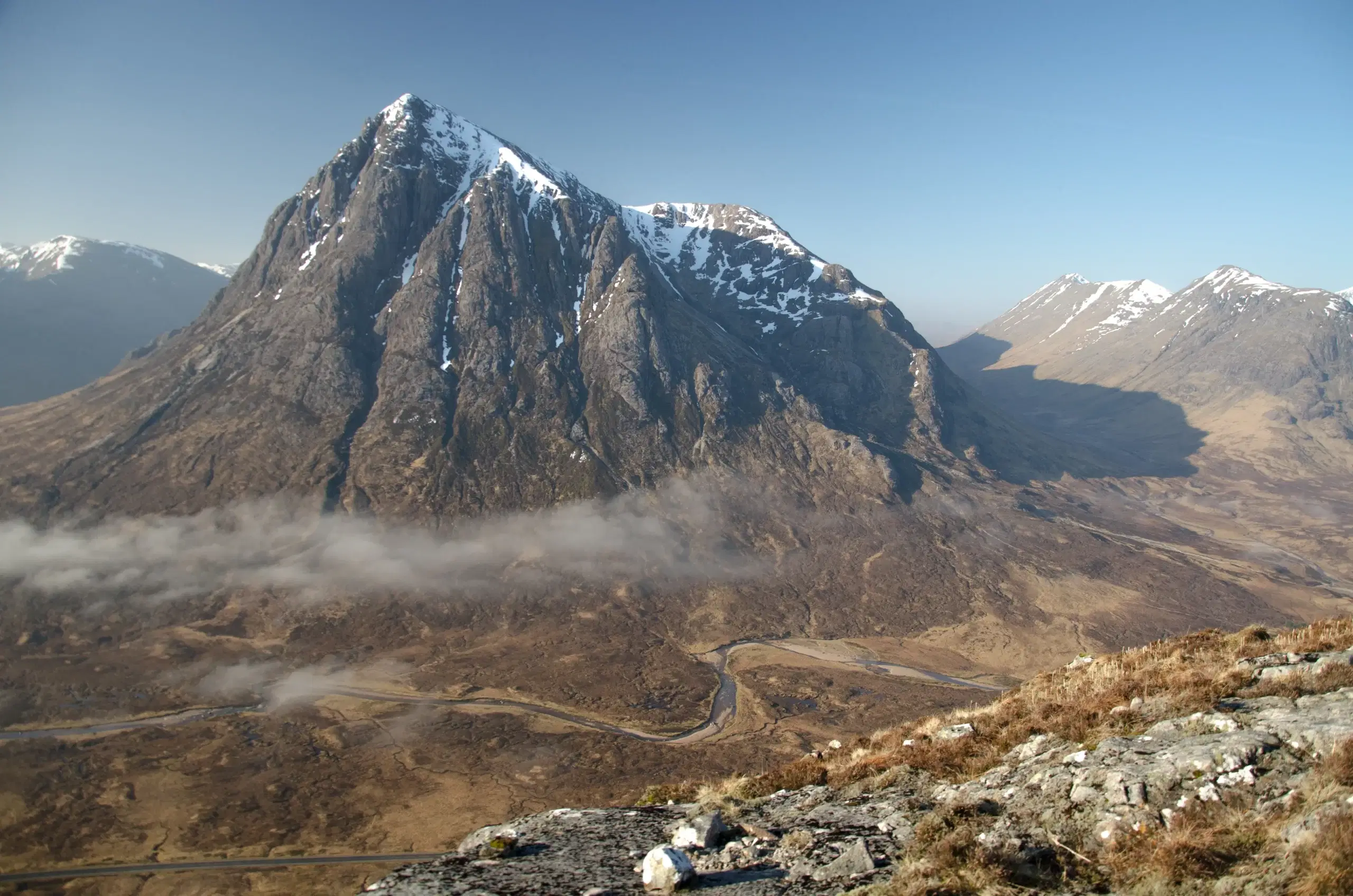
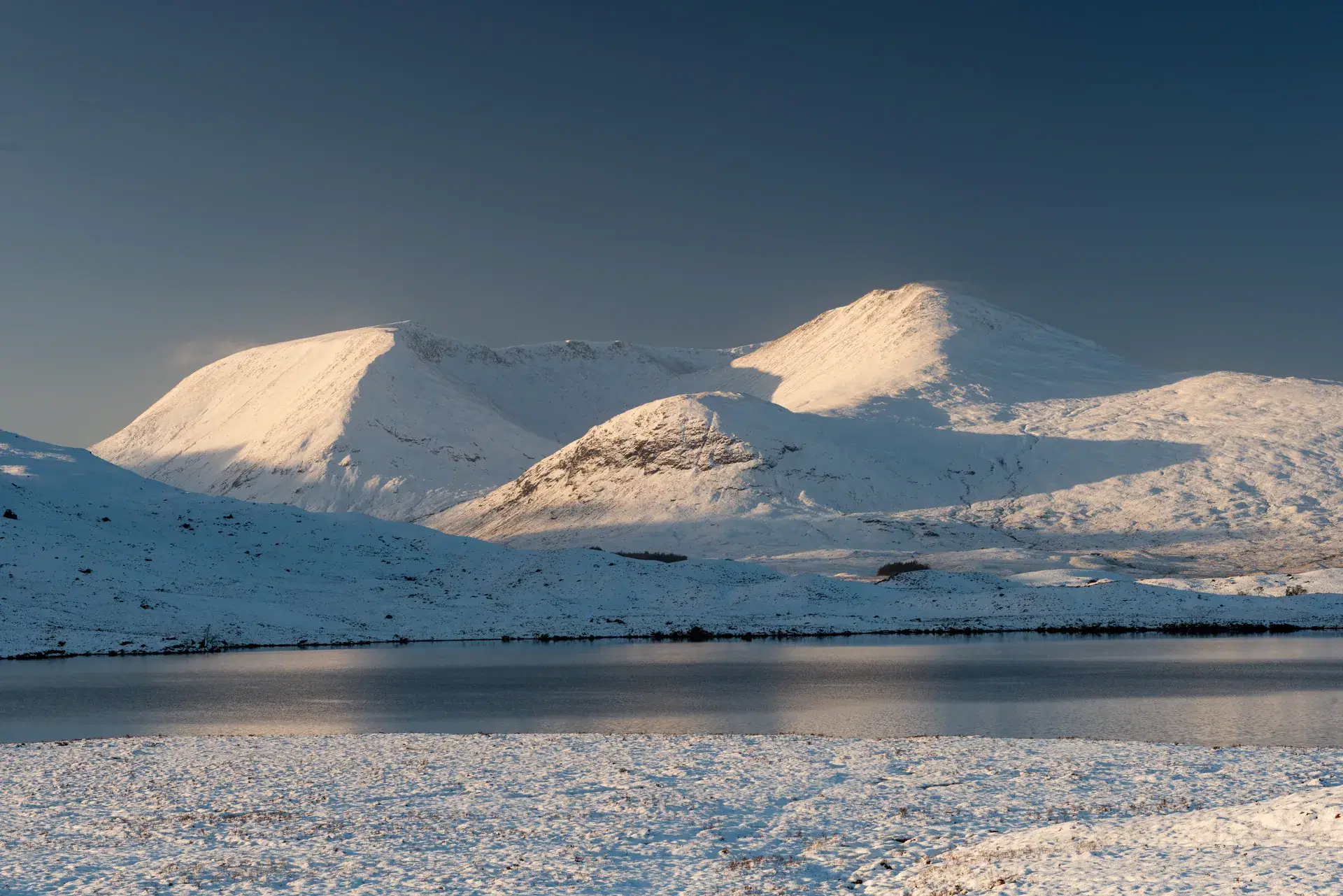
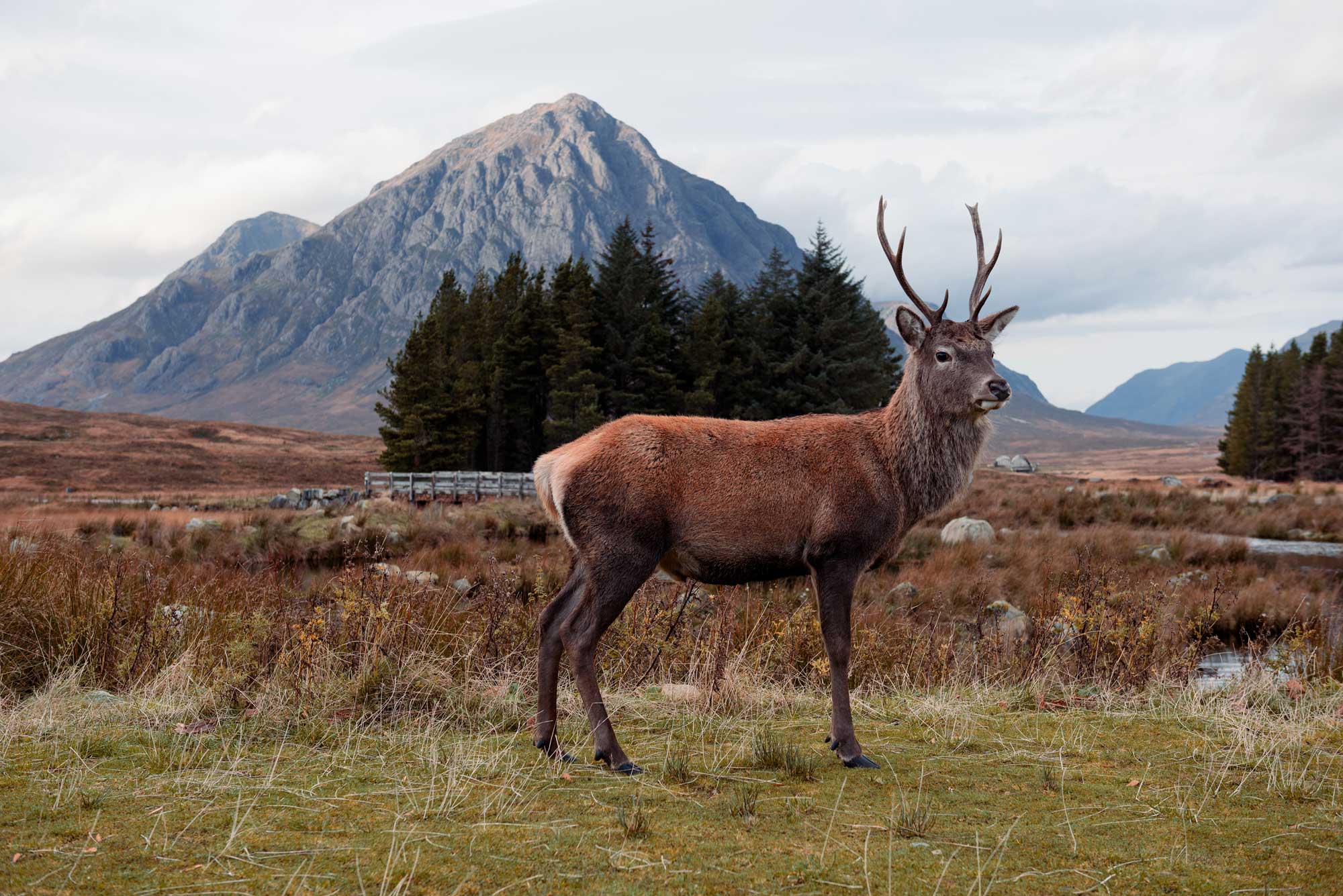
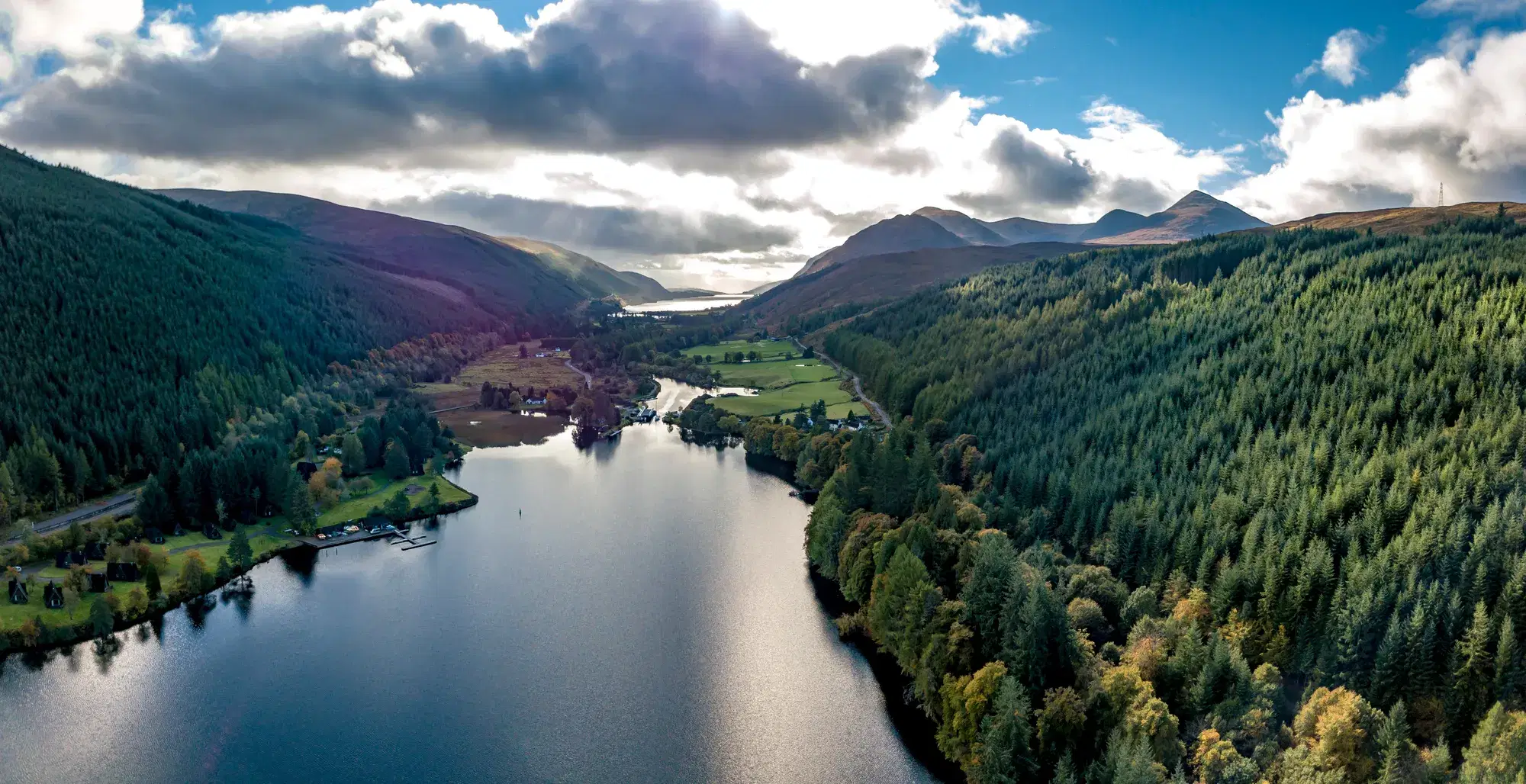
Continue east to Rannoch Moor and the Kingshouse Hotel — one of Scotland’s most remote and most atmospheric places to spend a night, set on the western edge of the moor beneath the magnificent pyramid of Buachaille Etive Mor. Rannoch Moor is one of the last great wilderness areas in Western Europe: 50 square miles of ancient peatland, glacial lochans, and mountain skyline, crossable in the 18th century only on foot or horseback, and still today accessible by road only at its margins. The Jacobite army crossed this moor — in both directions during the campaign — and the Kingshouse has been providing shelter to travellers, drovers, and soldiers in this landscape since the 17th century. Dine well, sleep deeply, and let the moor settle around you.
🥃 Day Three — South to Edinburgh: Rob Roy, Doune, Stirling, Linlithgow & a Final Dram
Approximately 9 hours | Rannoch Moor to Edinburgh via Balquhidder, Doune, Stirling & Linlithgow | Return to Edinburgh
The final day travels the Jacobite story south from the Highland heartland back to the Lowland capital — pausing at the grave of the man who fought in the first Jacobite rising, at the castle that repelled the Jacobites in the last, at the palace that celebrated their arrival, and finally at the Edinburgh pub where the officers of the Jacobite army drank on the eve of their greatest victory. Day Three completes the circle — and raises a glass to close it.
⚔️ Balquhidder – The Grave of Rob Roy MacGregor
Depart Rannoch Moor and travel south to the small, remote glen of Balquhidder — where Rob Roy MacGregor is buried alongside his wife Mary and two of his sons in the churchyard of Balquhidder Kirk, marked by a recumbent stone carved with a sword and a cross. Rob Roy’s connection to the Jacobite cause is often overlooked in favour of his more romantic reputation as an outlaw and cattle dealer, but he fought for the Jacobites at the Battle of Sheriffmuir in 1715 — one of the defining engagements of the first major Jacobite rising — and his life was shaped at every turn by the political turbulence that followed the Glorious Revolution of 1689.
Rob Roy MacGregor — born 1671, died 1734 — was a cattle dealer and clan chief who fell into debt with the Duke of Montrose, was outlawed and dispossessed, and spent much of his life as a fugitive in the hills and glens of Perthshire and Stirlingshire. Walter Scott’s 1817 novel ‘Rob Roy’ transformed him into Scotland’s Robin Hood — a defender of the Highland poor against the power of the Lowland nobility — and Liam Neeson’s 1995 portrayal cemented that reputation for a global audience. The glen of Balquhidder, rising steeply on both sides above a burn and a chain of small lochs, with the mountains closing in above, is the perfect Highland setting for a man whose life was as dramatic and as contradictory as the landscape that shaped it.
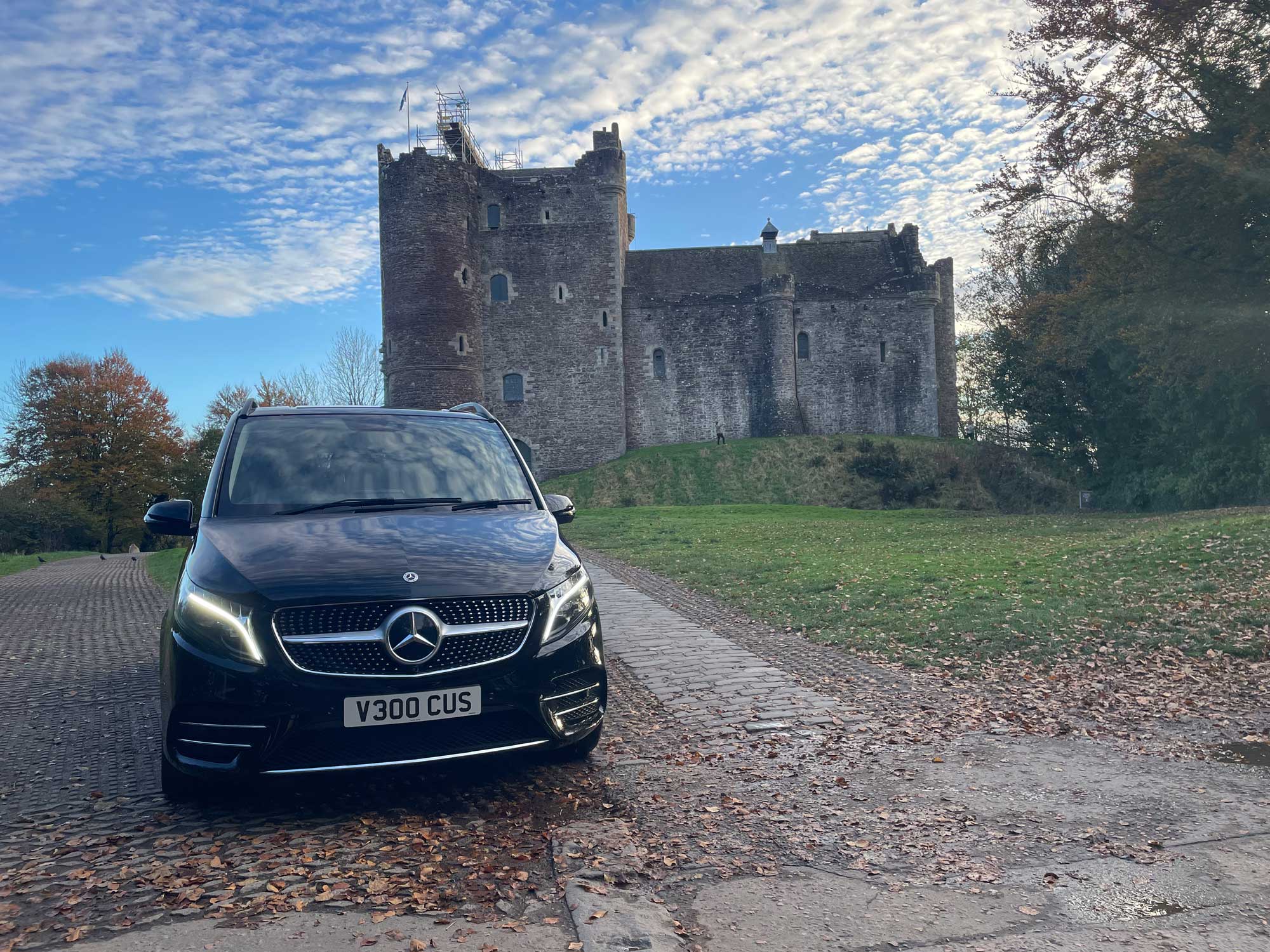
🏰 Doune Castle – Jacobite Triumph & Outlander’s Castle Leoch
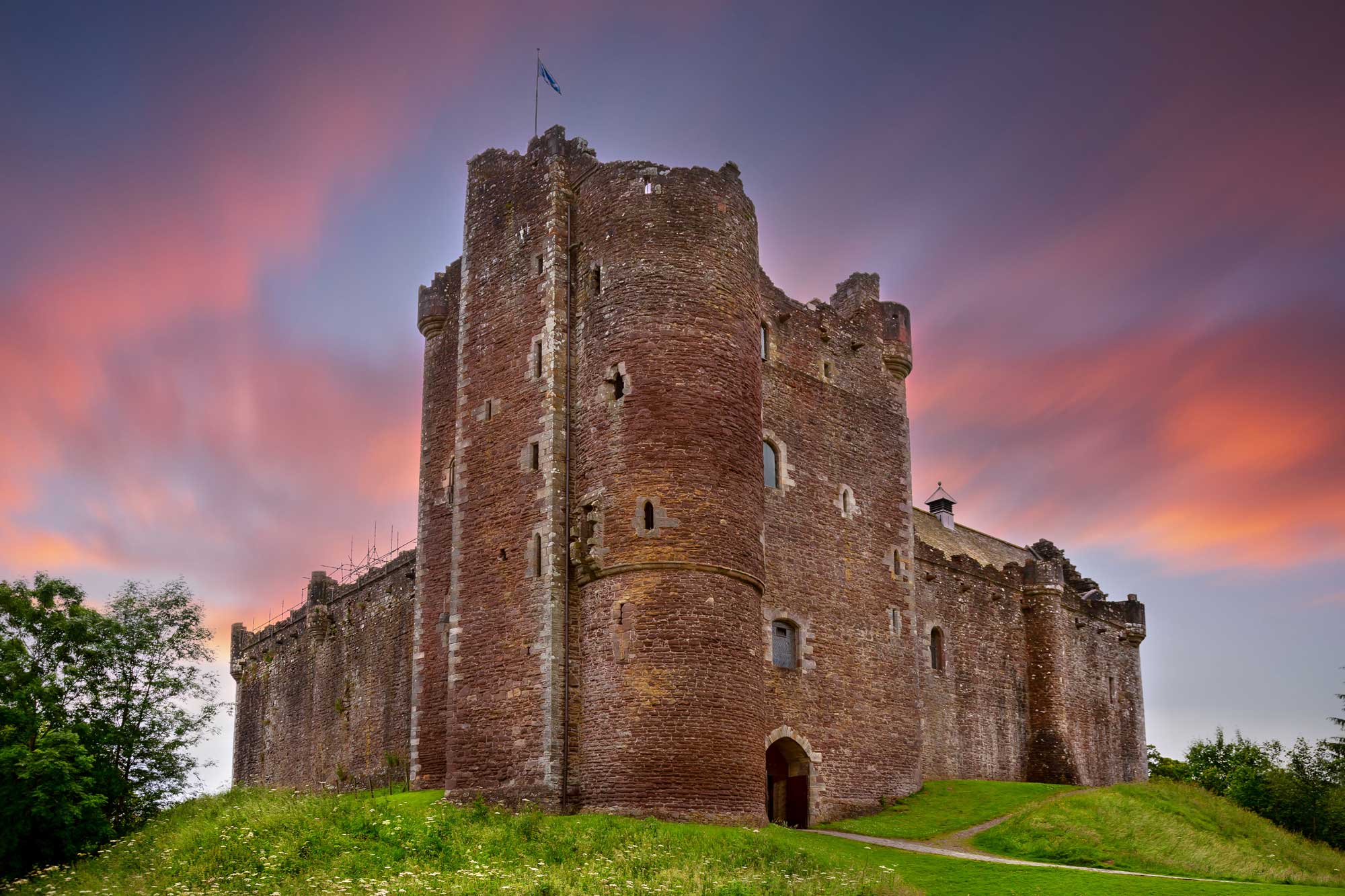
Continue south to Doune Castle — the magnificent 14th-century tower house on the River Teith that in September 1745 became the site of one of the Jacobite rising’s more extraordinary episodes. A government force garrisoning the castle was surprised and captured by a Jacobite detachment — the garrison apparently fleeing with such haste that they left their weapons behind. The Jacobites held Doune throughout the subsequent campaign, using it as a prison for government soldiers captured at the Battle of Prestonpans.
Doune Castle is also familiar to millions of Outlander viewers as Castle Leoch — the seat of Clan MacKenzie and the principal location of the first series of the television adaptation, where Claire Randall finds herself after passing through the standing stones at Craigh na Dun. The castle’s extraordinary state of preservation — its great hall, its lord’s hall, and its kitchen tower among the finest examples of 14th-century domestic military architecture in Scotland — makes it one of the most rewarding castle visits in the country quite independently of its Outlander fame. For guests following both the Jacobite Trail and the Outlander connection, Doune is the place where both stories converge most completely.
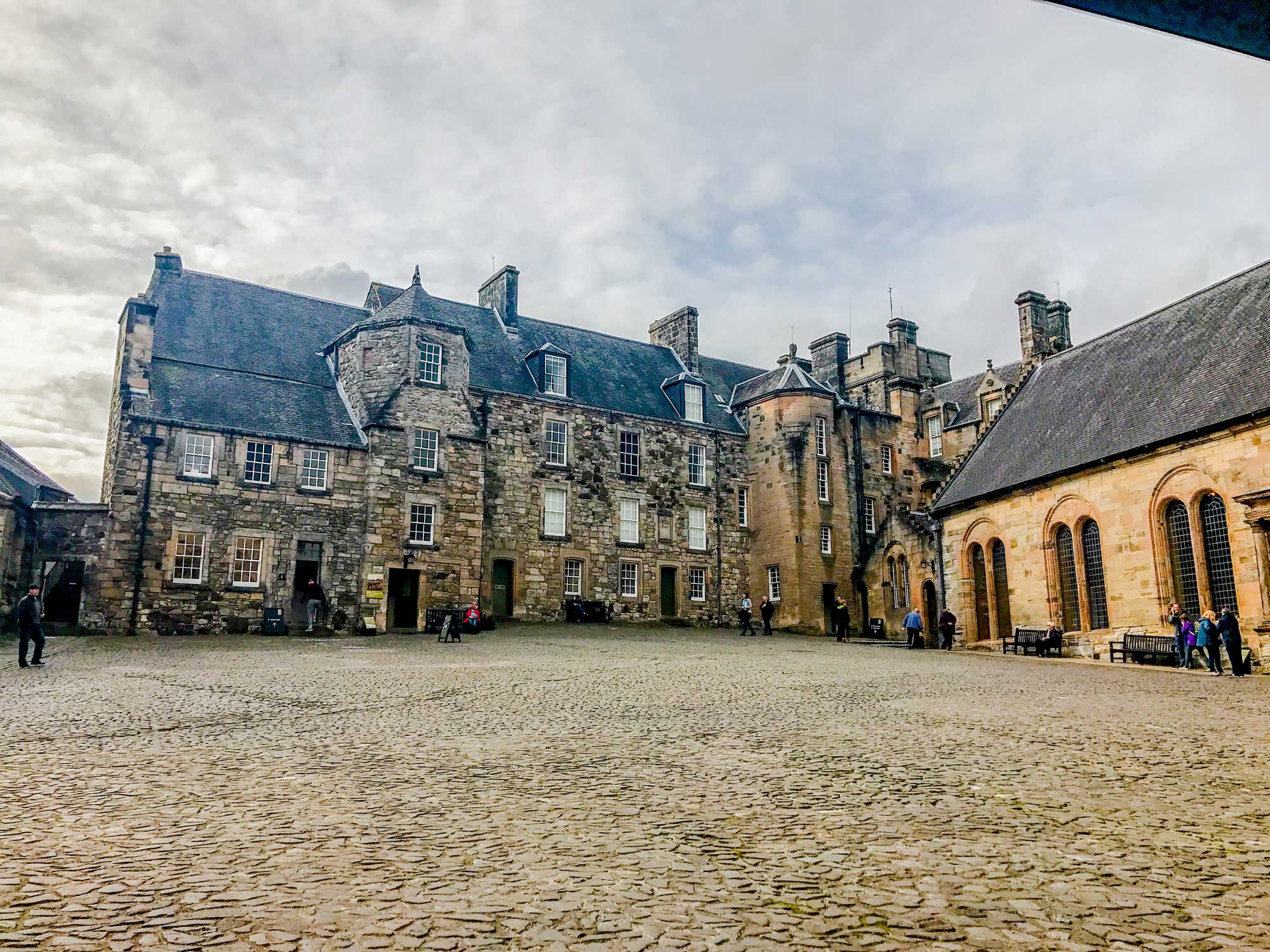
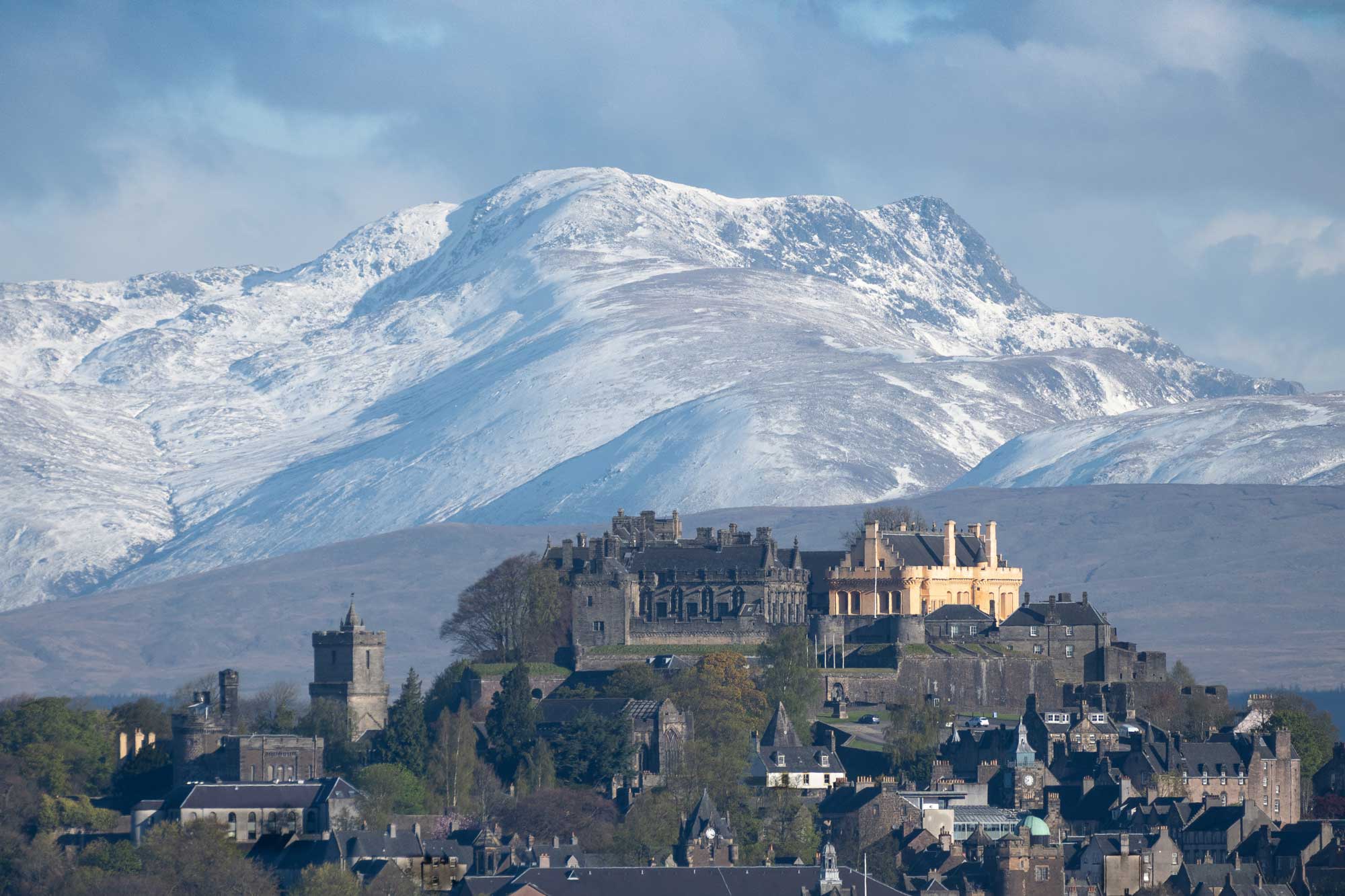
🏰 Stirling Castle – The Seat That Defied the Prince
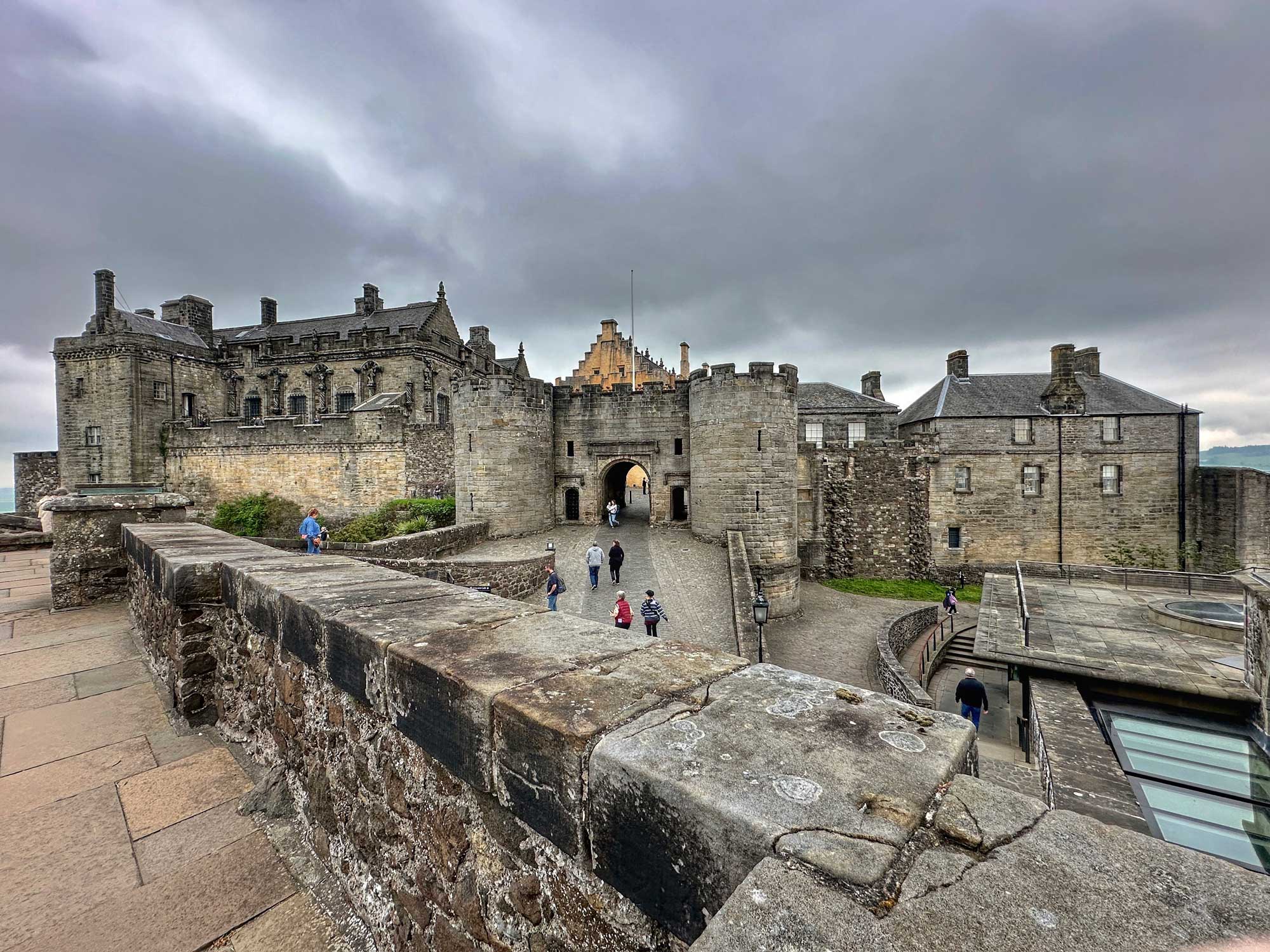
Drive south to Stirling — the strategic fulcrum of Scottish history, whose castle on its volcanic rock controlled the only practical crossing of the River Forth for miles in either direction. For the Jacobite cause, Stirling Castle represented both a symbolic and a practical objective of the highest importance: as the ancient seat of the Stuart monarchs — James II, James III, James IV, James V, and Mary Queen of Scots were all born, crowned, or held court here — its capture would have provided the propaganda coup that the already-taken Edinburgh Castle had denied them.
The reality was that Stirling Castle held firm throughout the ’45 campaign. While the Jacobite army occupied Edinburgh for nearly two months and won a brilliant victory at Prestonpans, the castle garrison above the city refused to surrender. When attention turned to Stirling in January 1746, the Jacobites bombarded the castle from Gowan Hill to the east — but the siege failed, the government army under General Hawley approached from the south, and Bonnie Prince Charlie was forced to abandon the attempt and retreat north to Inverness, where Culloden awaited. Today the castle is the finest in Scotland: the Renaissance Royal Palace, the Great Hall, the Stirling Heads tapestries, and the views across seven historic battlefields make it an essential conclusion to the Jacobite Trail.
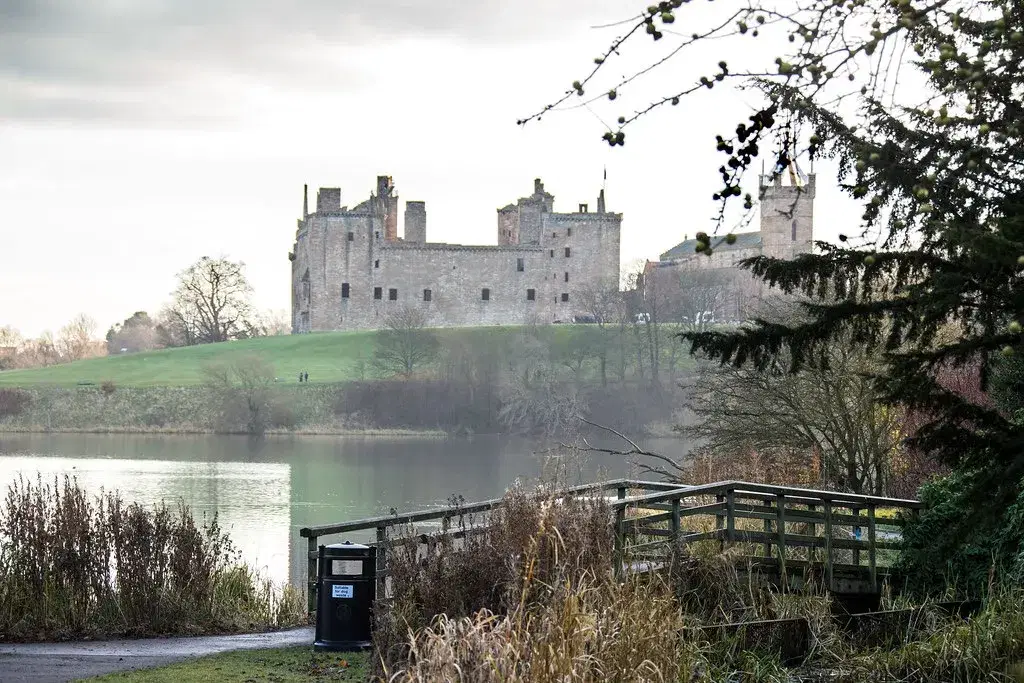
🏰 Linlithgow Palace – The Jacobites’ Royal Welcome
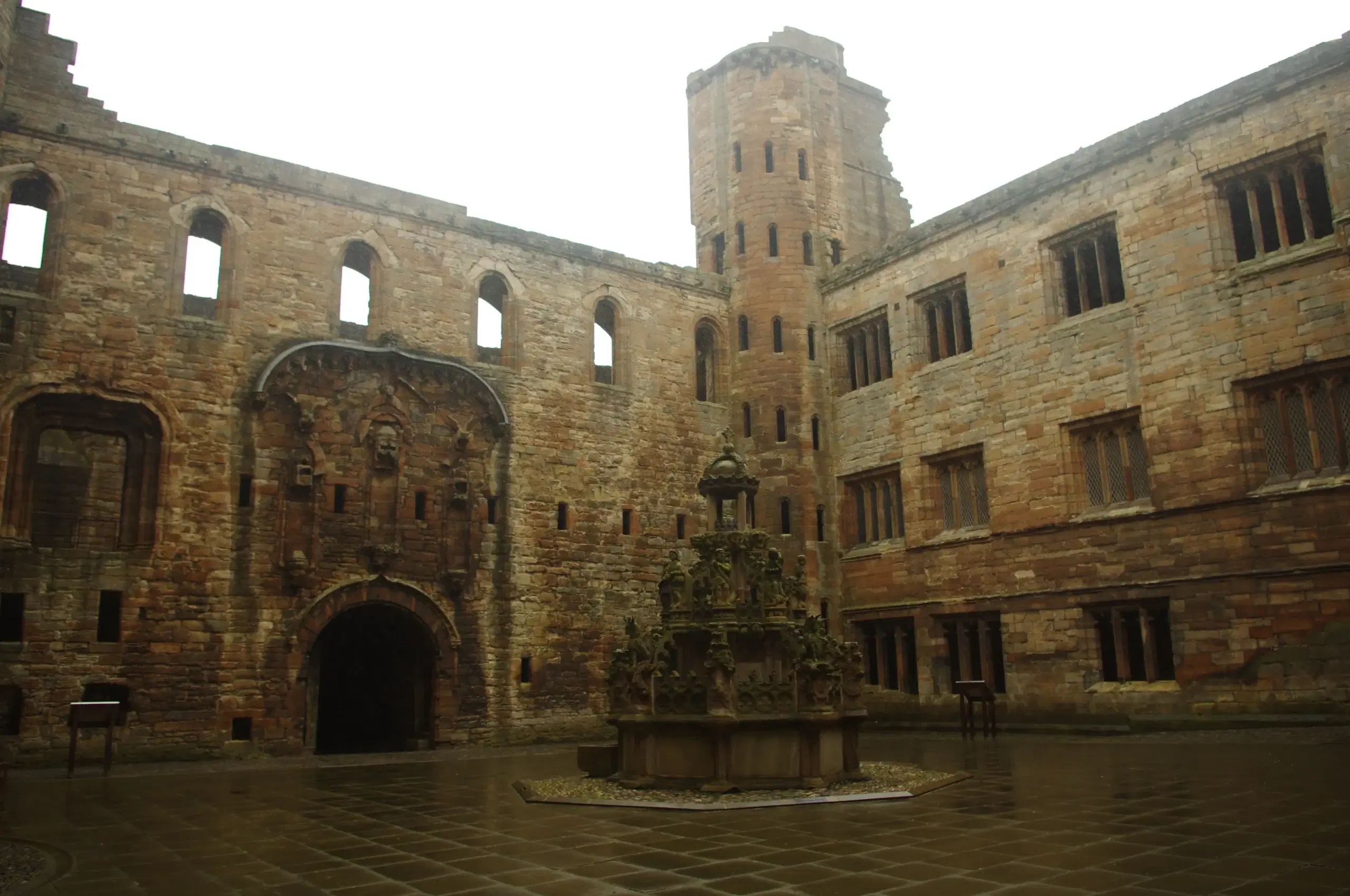
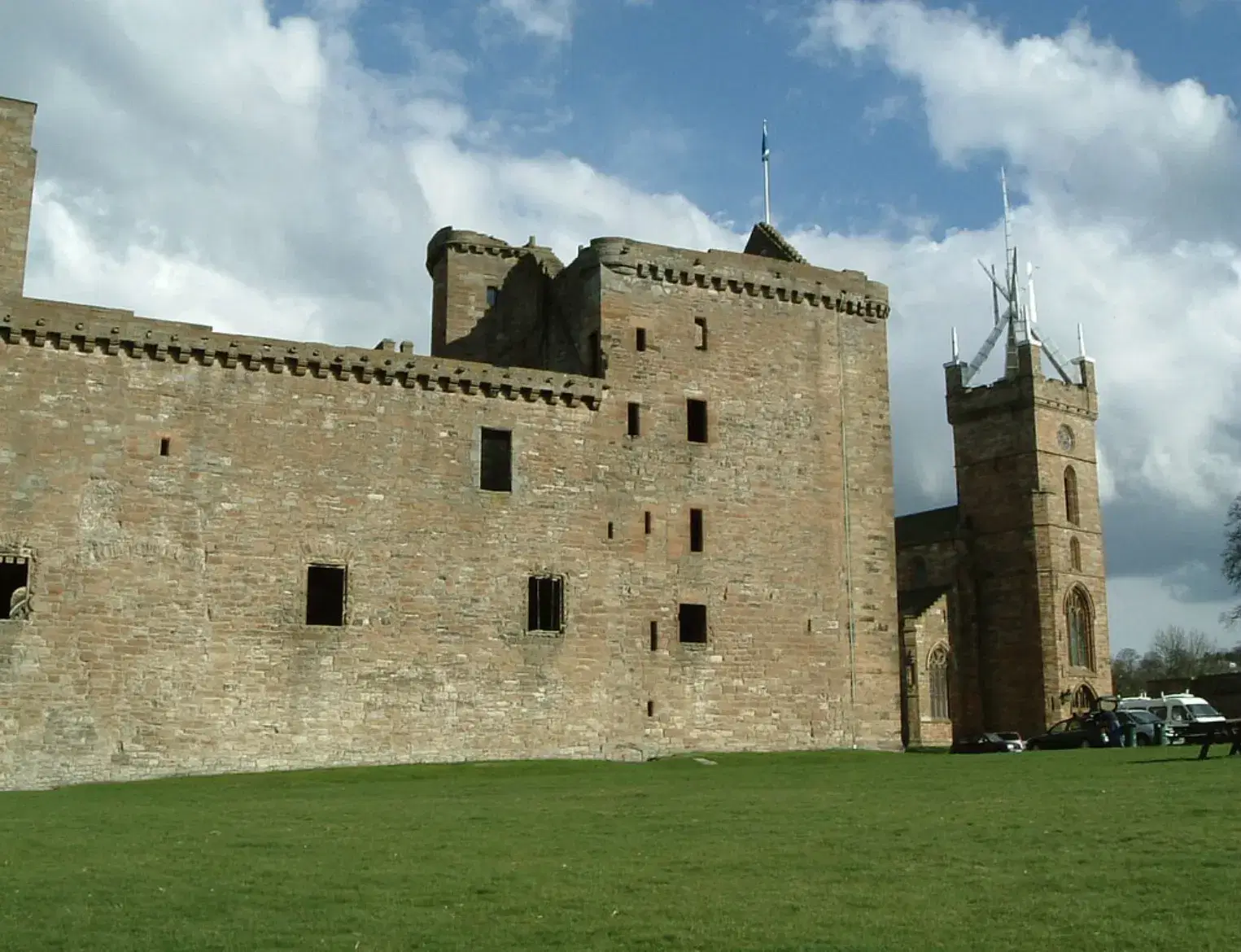
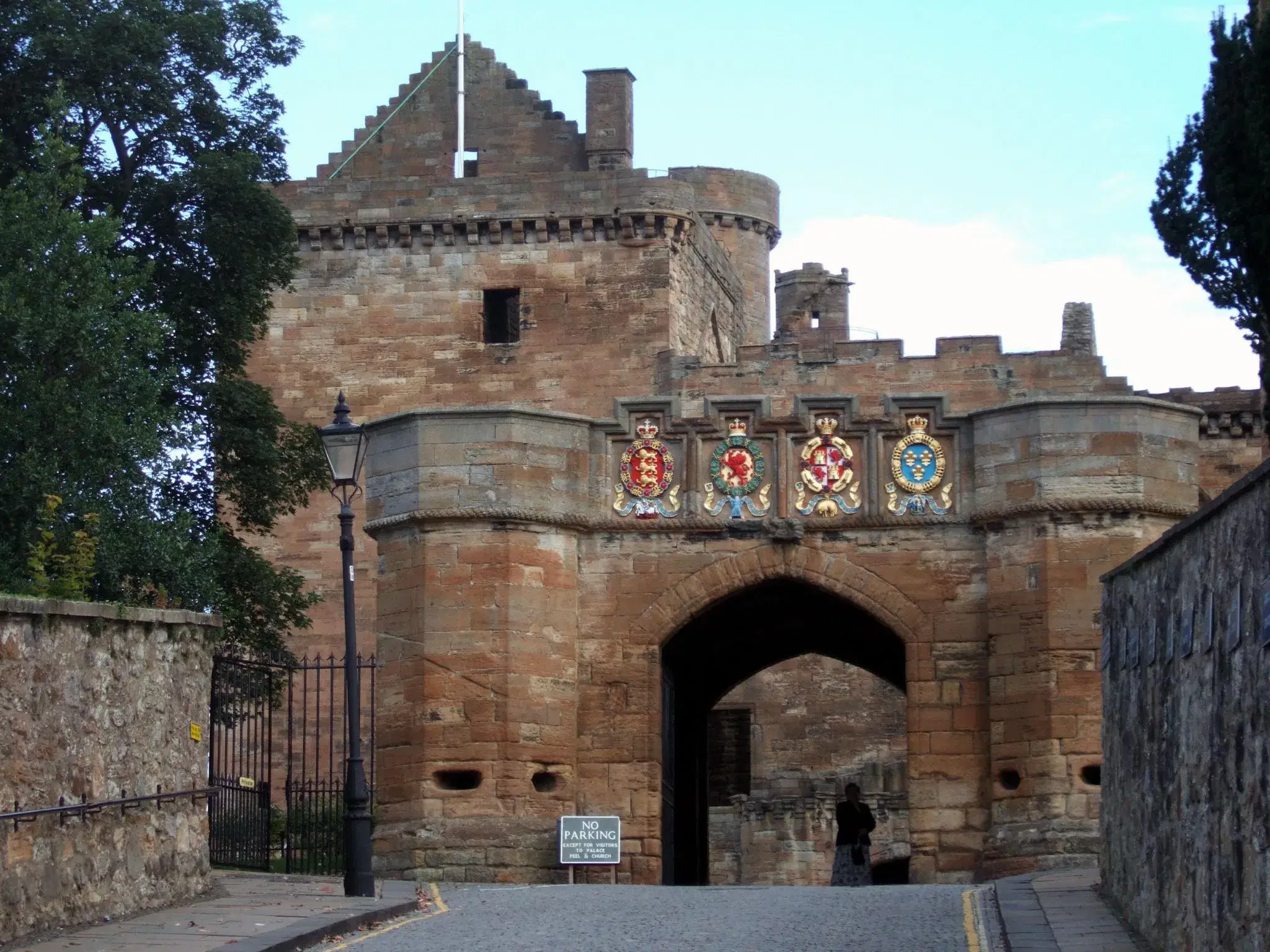
Continue south along the Royal Route to Linlithgow Palace — the magnificent Renaissance ruin above its own loch that served as the principal residence of the Scottish Stewart monarchs for two centuries and is most famous as the birthplace of Mary Queen of Scots in December 1542. In January 1746, as Bonnie Prince Charlie’s army moved south from Stirling on the final leg of the campaign that would end at Culloden, the Jacobite forces entered Linlithgow and the Prince himself drank from the fountain in the palace courtyard — a gesture loaded with Stuart dynastic symbolism, in the birthplace of one of his most famous ancestors, in the house that the Stuarts had built and loved above all others.
The fountain in the inner courtyard — the finest medieval fountain in Scotland, still functioning after five centuries — was the centrepiece of royal celebrations and state occasions for generations of Stuart monarchs. To drink from it, as the Prince did in January 1746, was to claim the symbolic inheritance of everything it represented: the lineage, the legitimacy, and the Scotland that the Jacobite cause was fighting to restore. Three months later, on Culloden Moor, that cause would be lost forever. The ruins of Linlithgow Palace — burned accidentally by Cumberland’s troops on their way north to Culloden in 1746, the last building to be occupied as a royal residence and the last to be destroyed — carry that final chapter of the story in every blackened wall.
🍺 The White Hart Inn, Edinburgh – The Oldest Pub in Scotland
Return to Edinburgh and make one final, fitting stop before the journey ends: the White Hart Inn on the Grassmarket — Edinburgh’s oldest continuously trading public house, with origins dating to at least 1516 and possibly earlier, set in the shadow of the Castle Rock on the square where public executions were held for three centuries. On the eve of the Battle of Prestonpans in September 1745 — the Jacobite army’s most complete and most exhilarating military victory, in which they routed a government force in under ten minutes — the officers of Bonnie Prince Charlie’s Highland army are said to have gathered here to drink and prepare for the engagement ahead.
The White Hart has seen more Scottish history pass through its low door than almost any other building in Edinburgh: Robert Burns drank here on his visits to the capital; William Burke and William Hare lodged nearby during their murderous activities of 1828; Wordsworth and his sister Dorothy stayed in the Grassmarket on their Scottish tour. To sit here at the end of three days tracing the Jacobite story — with a dram of single malt in hand, in a room where Highland officers drank the night before their greatest battle — is a conclusion of exactly the right atmosphere and exactly the right weight. Johnny will raise the final toast.
Ready to experience the very best of Scotland on your own terms? Tell us when you’d like to travel, how many are in your party, and where you’d like your journey to begin. We’ll check availability for your preferred dates and craft a bespoke multi-day itinerary shaped around your interests, pace, and must‑see places. Share a few details below and our expert driver‑guide will be in touch with a personalised proposal, pricing, and suggestions to make your time in Scotland unforgettable.
Max 6 persons
Max 5 suitcases
We look forward to welcoming you to Scotland — personally.